Culture does not begin with speeches. It begins with incentives.
When we speak about culture as infrastructure, we are describing a system that forms whether anyone designs it or not. Incentives operate continuously. They reward certain behaviors. They discourage others. Over time, repeated rewards turn into norms. Norms then solidify into expectations. Expectations eventually become identity.
No committee needs to approve this process. It happens automatically.
If organizations reward visibility over competence, visibility becomes the norm. If communities reward emotional reaction over disciplined response, reaction becomes cultural currency. If institutions tolerate inconsistency in enforcement, inconsistency becomes embedded.
Incentives precede values. Public values often trail behavior by years.
How Incentives Quietly Shape Cultural Infrastructure
Every incentive sends a signal. Bonuses signal what matters. Promotions signal what is protected. Social applause signals what is celebrated. Meanwhile, silence signals what is permitted.
Over time, these signals compound. For example, research across governance and behavioral economics shows that consistent reinforcement patterns create stable institutional behavior. Conversely, unpredictable reward systems increase volatility and erode trust. The system trains the people before the people train the system.
Therefore, if we want to understand cultural drift, we must examine incentive drift. A declared mission statement means little if compensation structures contradict it. A code of ethics means little if enforcement varies based on status. Incentives reveal what a system truly values.
Why Incentive Alignment Determines Cultural Stability
Aligned incentives produce stability because they reduce friction between stated values and lived behavior. Misaligned incentives produce tension. That tension spreads quietly at first. Eventually, however, it becomes visible in turnover, distrust, cynicism, or fragmentation.
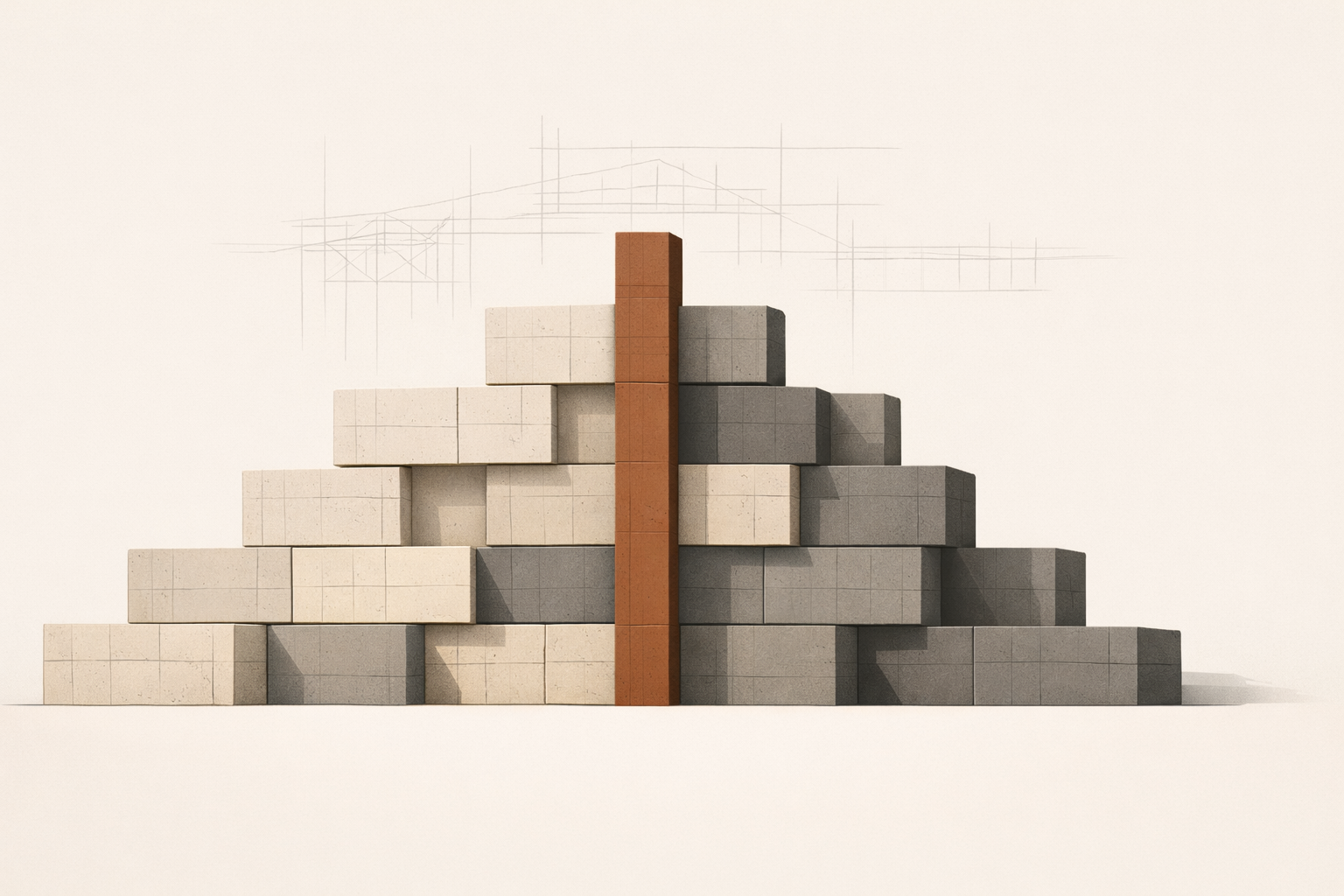
This is why structural discipline matters. As outlined in Culture as Infrastructure, architecture carries weight. Incentives act as reinforcement beams within that architecture. When those beams weaken, collapse is rarely sudden. It is cumulative.
The solution is not louder messaging. It is cleaner design. Align rewards with long-term outcomes. Enforce standards consistently. Remove incentives that contradict declared values.
Culture will form regardless. The only question is whether it forms by intention or by accident.