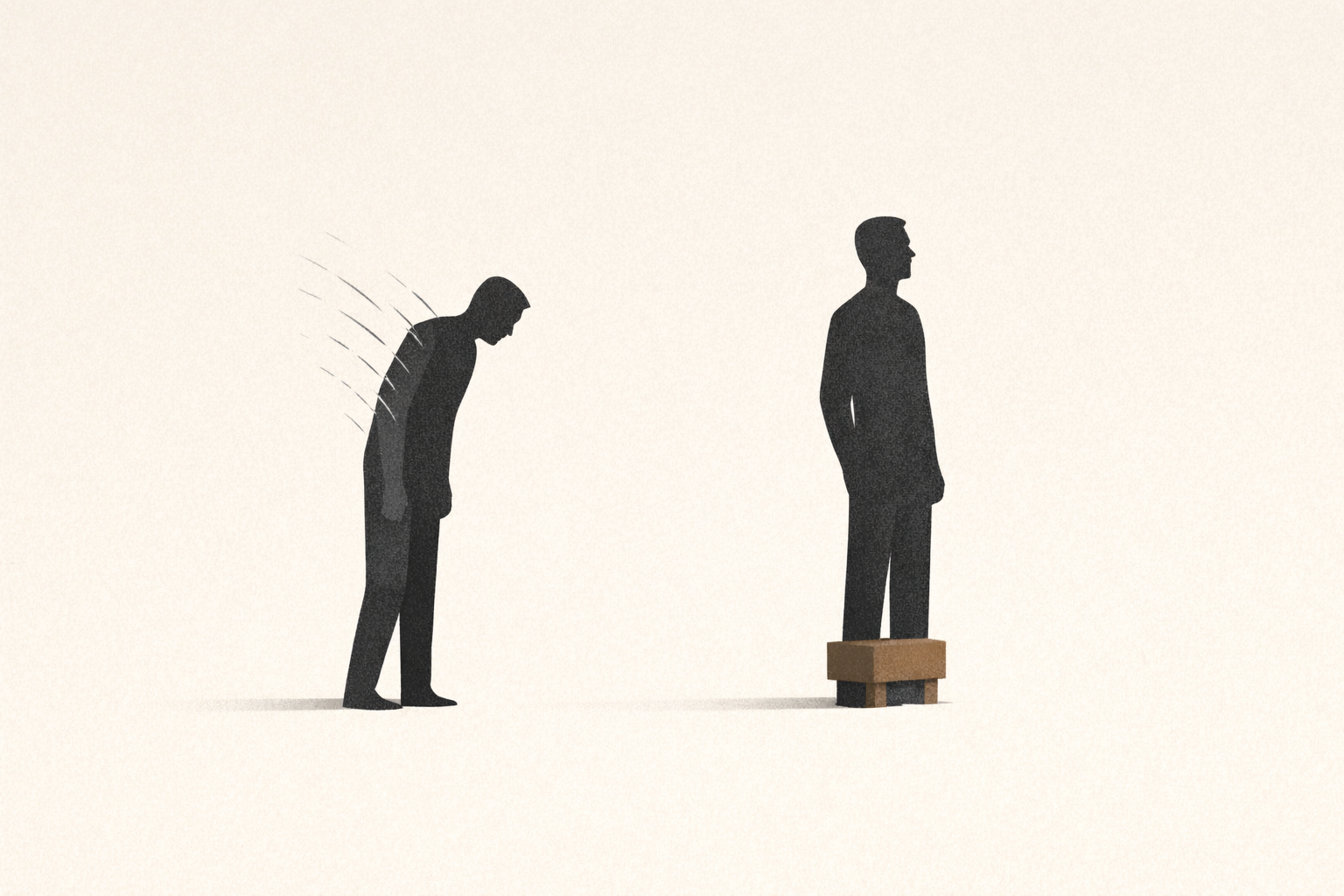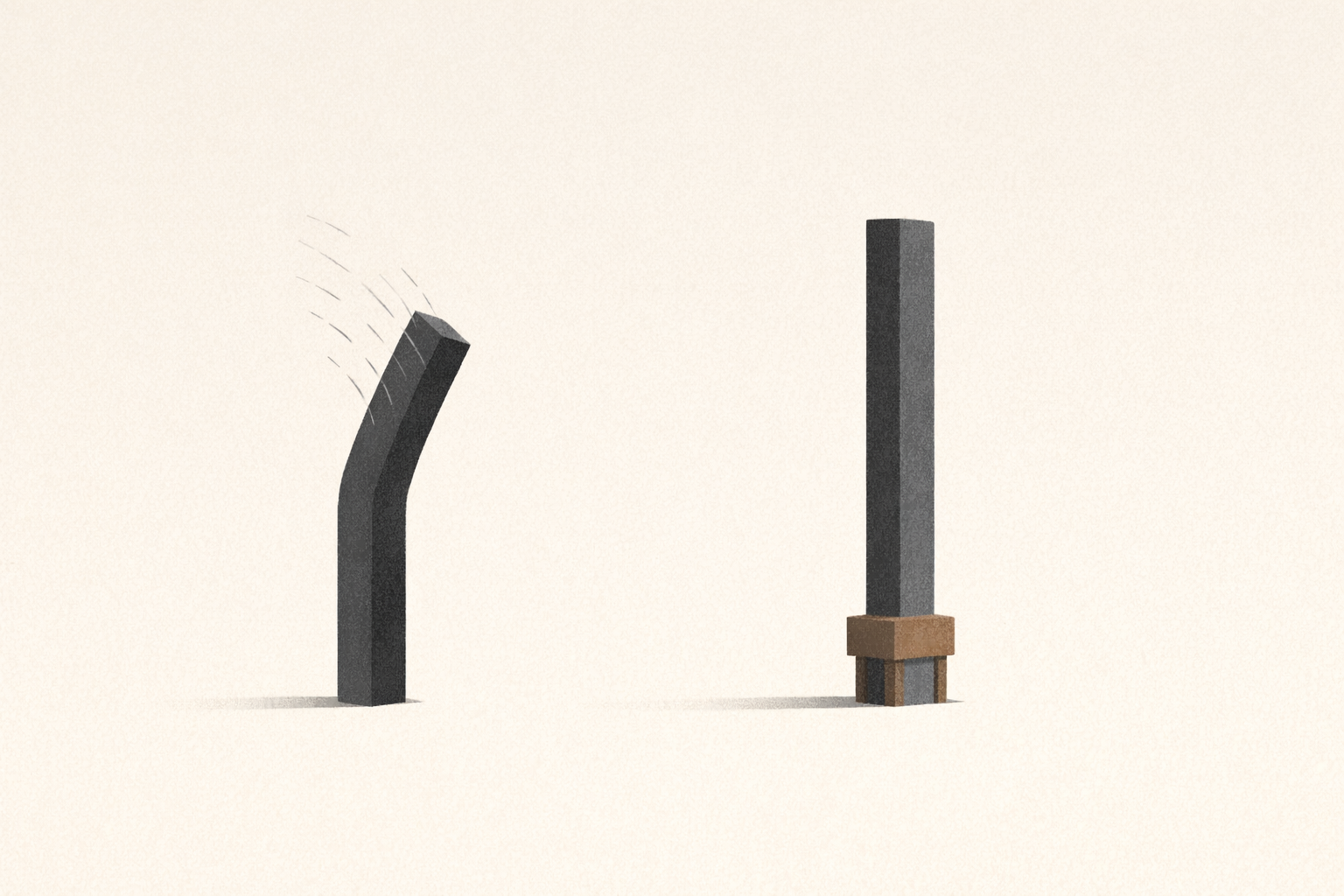
What is the fawn response? The fawn response is a survival pattern where appeasing replaces confrontation. Instead of fighting, fleeing, or freezing, a person adapts by pleasing.
In relationships, this can look responsible. It can even look mature. However, over time, appeasing erodes leadership, boundaries, and identity.
What Is the Fawn Response in Psychology?
The fawn response is often described as a trauma-adapted coping strategy. It occurs when an individual learns that safety comes from reducing threat through compliance, agreeableness, or emotional caretaking.
While the traditional trauma model highlights fight, flight, and freeze, clinicians have added “fawn” to describe chronic appeasement. In this pattern, the nervous system associates disagreement with danger.
Approval becomes protection.
Signs You Are Appeasing Instead of Leading
Fawning is subtle. It rarely announces itself. Instead, it shows up in patterns.
- Difficulty saying no without anxiety
- Over-explaining boundaries to avoid discomfort
- Suppressing personal needs to maintain harmony
- Agreeing publicly, resenting privately
- Over-investing to prevent rejection
Appeasing feels stabilizing in the moment. However, it weakens authority over time.
The Difference Between Fawning and Kindness
Kindness is chosen. Fawning is conditioned.
Kindness maintains boundaries. Fawning dissolves them.
Kindness operates from security. Fawning operates from threat perception.
This distinction matters. Many men confuse appeasement with emotional intelligence. In reality, leadership requires calm disagreement, not chronic compliance.
How Fawning Connects to Validation-Seeking
Fawning and validation-seeking often overlap. When approval equals safety, validation becomes regulation.
If you have not read it yet, see The Psychology of Validation-Seeking Behavior for deeper context. The two patterns frequently reinforce each other.
How to Break the Fawn Response
Breaking fawning requires structure, not motivation.
- Practice controlled disagreement in low-stakes settings.
- Allow small moments of discomfort without repairing them.
- State preferences without justification.
- Separate safety from approval.
If the pattern is trauma-rooted, therapy can accelerate progress. Attachment-informed work is particularly effective.
Appeasing protects you in the moment. Structure protects you long-term.
→ Is Validation-Seeking a Trauma Response — Or an Identity Deficit?

FAQ: The Fawn Response Explained
What is the fawn response in relationships?
The fawn response is a trauma-adapted coping strategy where a person prioritizes pleasing, appeasing, or agreeing to reduce perceived threat. In relationships, it often shows up as over-accommodating behavior and fear of conflict.
Is the fawn response a trauma response?
Yes. The fawn response is often associated with trauma conditioning, especially in individuals who learned that approval ensured safety. However, not all appeasing behavior is trauma-rooted. Some patterns stem from insecure identity formation.
How do you stop fawning in relationships?
You stop fawning by rebuilding internal structure. Practice controlled disagreement, set boundaries without over-explaining, and separate approval from safety. Therapy can accelerate recovery if the pattern is trauma-based.