
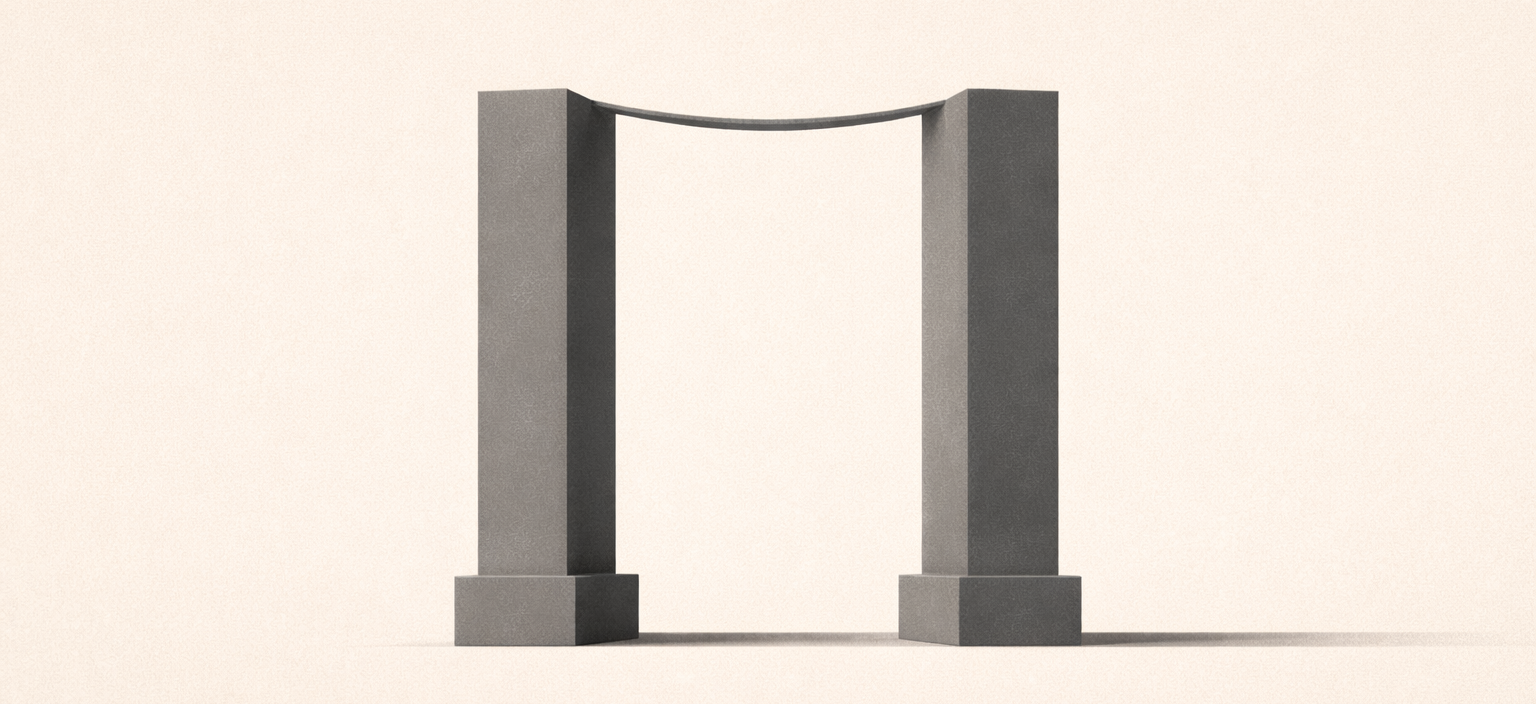
Why healthy relationships slowly fall apart is rarely dramatic. Instead, the change unfolds quietly.
Most relationships do not collapse in a single moment. Rather, they drift over time.
Clarity softens. Conversations shorten. Small imbalances go uncorrected.
“When there is no enemy within, the enemies outside cannot hurt you.”
— African Proverb
Why Healthy Relationships Slowly Fall Apart Through Drift
Healthy relationships often begin with visible alignment. Expectations are spoken clearly. Effort is mutual.
However, comfort can replace vigilance. Boundaries loosen. Maintenance becomes irregular.
Because no single change feels catastrophic, partners rarely intervene early. Consequently, erosion continues unnoticed.
A postponed conversation becomes routine. An unaddressed frustration settles quietly. Responsibility shifts unevenly.
Individually, these moments appear harmless. Collectively, they weaken stability.
The Mathematics of Imbalance
Early effort feels reciprocal. Later, one partner may compensate more frequently while the other adjusts less.
When imbalance persists, patience turns into silent accounting.
Instead of recalibrating roles, partners adapt privately. Over time, tolerance replaces clarity.
Stability should rest on shared effort. When it rests on endurance instead, strain accumulates.
Expectation Replacing Agreement
Another reason why healthy relationships slowly fall apart involves unspoken expectations.
Partners assume understanding instead of confirming it. They rely on memory of earlier harmony instead of renewing agreement.
However, harmony requires active maintenance.
Without deliberate structure, alignment fades gradually.
For structural context, see Why Modern Relationships Fail Without Structure.
Conflict Avoidance and Structural Strain
Short-term calm can conceal long-term instability. When partners avoid difficult conversations, tension embeds itself beneath routine interaction.
The connection appears intact. Nevertheless, the internal load increases.
Over time, avoidance reshapes tone and initiative. Communication shortens. Warmth cools.
Research from the Gottman Institute identifies patterns such as defensiveness and withdrawal as early predictors of decline.
These patterns do not erupt suddenly. They form gradually.
Comparison as Accelerant
External narratives also influence why healthy relationships slowly fall apart.
Media amplifies intensity while ordinary stability receives little recognition. Consequently, predictability begins to feel insufficient.
When partners measure daily reality against curated spectacle, dissatisfaction grows without clear cause.
Consistency may feel uneventful. Yet consistency sustains durability.
Drift Is Reversible
Gradual decline is not inevitable.
Partners can reintroduce clarity. They can rebalance contribution. They can reopen conversations.
However, correction requires acknowledgment.
Healthy relationships rarely fail because affection disappears. Instead, maintenance declines.
Discipline softens. Agreements fade. Silence grows comfortable.
Most collapse is not explosive.
It is distance expanding slowly between two people who once stood aligned.
Alignment survives through repetition.
Maintenance preserves stability.
