
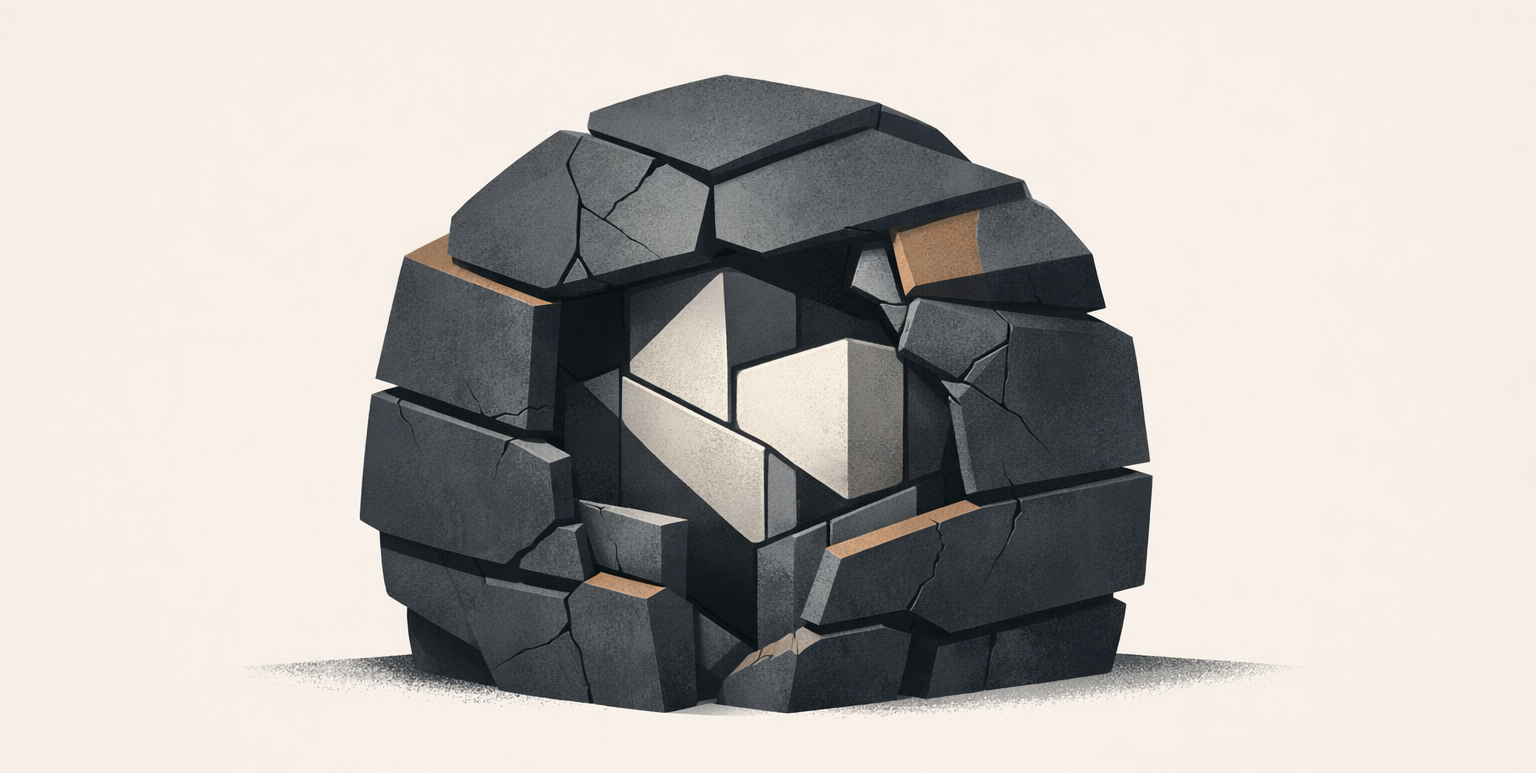
Identity as armor in dating is what happens when “strength” stops being something you practice and turns into something you hide behind. In that moment, identity stops describing who you are and starts defending you from scrutiny. Once defense runs the room, connection starts paying the bill.
Plenty of people say they want honesty. However, the moment honesty asks for clarity, the tone shifts. Instead of a conversation, you get a posture. Instead of reflection, you get a speech.
Identity as Armor in Dating
Identity should help you understand yourself. Yet when identity as armor in dating takes over, it blocks follow-up questions. Disagreement sounds like disrespect. Feedback feels like danger. As a result, growth slows because nothing can reach the structure underneath.
This is how performance works. The label does the talking so the behavior never has to. “This is just who I am” becomes a deadbolt instead of a doorway.
The Cost of Performative Strength
Performative strength looks great online. It sounds confident and it travels well in captions. Still, real relationships do not run on slogans. They run on repair, adjustment, and accountability.
When identity becomes armor in dating, partners stop asking questions to avoid escalation. Meanwhile, expectations go unspoken. Eventually, resentment fills the silence because nothing can be named without triggering defense.
That is not empowerment. It is insulation.
Why Accountability Feels Like an Attack
Accountability feels threatening when identity carries too much weight. If your sense of self cannot handle feedback, then the feedback is not the enemy. The structure is the issue.
Real strength can sit in discomfort without calling it harm. It can say, “That did not land,” and then adjust. Therefore, it does not need a PR campaign every time someone asks a calm question.
Accountability Before Authority: What Leadership Actually Requires in Relationships
Strength That Can Be Examined
Strength that cannot take a question is not strength. It is branding. True strength stays steady under inspection because it has nothing to hide.
So here is the test. Can you hear a concern without turning it into an accusation? Can you take feedback without reaching for the shield? Ultimately, identity should support growth, not block it.
If identity collapses the moment someone asks for clarity, it was never a foundation. It was a costume.
This is not about shaming anyone. It is about putting strength back where it belongs. In behavior. In responsibility. In the ability to grow without treating every mirror like an enemy.
Because identity and self-concept shape communication, defensive identity patterns often distort relationships and conflict. Read more from the American Psychological Association.
