
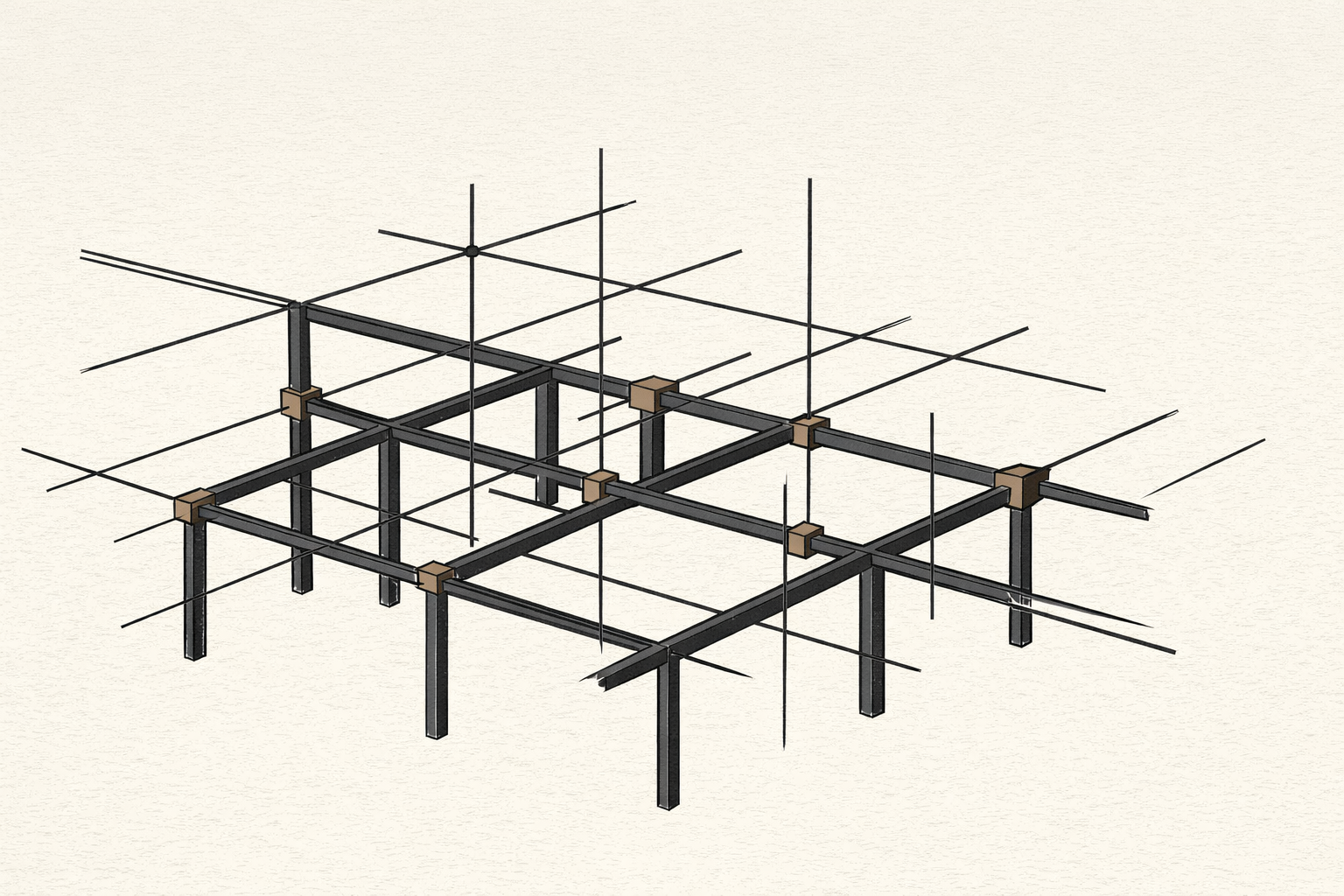
Institutional maintenance is the quiet discipline that keeps societies stable. Strong institutions do not survive because they are perfect. They survive because people continuously repair, correct, and maintain them.
Many people focus on dramatic reform or political change. However, stability rarely depends on dramatic events. Stability depends on steady maintenance.
Roads crack. Schools drift. Courts accumulate delays. Organizations lose clarity. None of these problems usually appear overnight. Instead, they develop slowly when maintenance stops.
Institutional maintenance may seem mundane, but it determines whether complex systems remain functional over time.
Institutional Maintenance and System Stability
Stable societies depend on systems that correct themselves. Engineers inspect bridges. Financial institutions conduct audits. Software teams debug their code.
These correction mechanisms keep systems functioning. Without them, small problems expand until they threaten the entire structure.
Institutions operate in the same way. Leaders must examine performance, identify failures, and repair weak structures before damage spreads.
Institutional maintenance is not glamorous work. Nevertheless, it prevents instability before instability becomes visible.
Why Institutions Drift Without Maintenance
Systems rarely collapse without warning. Instead, they drift.
Organizations lose discipline. Procedures become unclear. Responsibility becomes diffuse. Over time, institutions forget the standards that once guided them.
When institutions stop correcting themselves, the accountability gap begins to form.
At first the damage appears small. Then errors repeat. Eventually the institution cannot correct itself.
Observers often describe collapse as sudden. In reality, the collapse began years earlier when maintenance stopped.
The Quiet Work That Prevents Collapse
Healthy societies treat maintenance as a permanent responsibility.
Leaders review systems regularly. Administrators enforce standards. Institutions correct mistakes early rather than ignoring them.
This quiet discipline allows institutions to adapt while preserving stability.
Research from the Brookings Institution and other policy organizations consistently shows that strong institutions depend on feedback, correction, and administrative competence.
These qualities do not appear automatically. People must sustain them through deliberate effort.
Institutional maintenance may appear unremarkable. However, it is the reason societies remain functional long after the excitement of founding moments fades.
Stable societies are not sustained by inspiration alone. They are sustained by maintenance.
