
Is food fake in America? That question keeps showing up because people sense something changed. Food still looks familiar, but it tastes different, feels lighter, and satisfies less. What people are noticing is not fraud. It is reformulation, driven by cost pressure and managed through legal compliance.
This post explains what changed, what did not, and why food quality feels lower even when products remain legal. It also shows how reformulation replaced standards quietly, without obvious warning labels or public announcements.
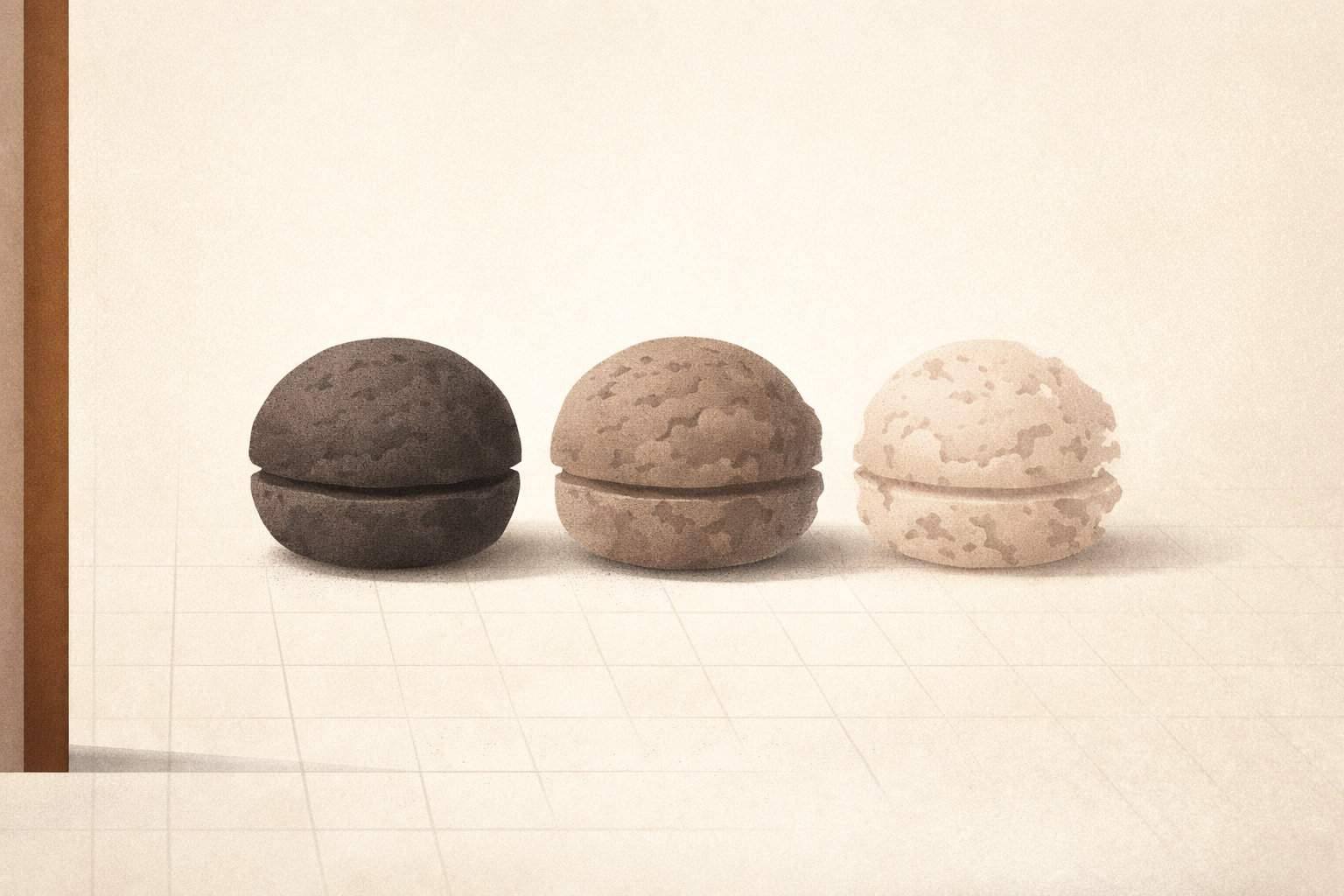
Is Food Fake in America or Just Reformulated?
Food in America is rarely fake in the counterfeit sense. Instead, it is often reformulated. Reformulation means replacing expensive ingredients with cheaper substitutes while staying within regulatory boundaries. The product remains legal, but the substance changes.
This explains why people feel misled. The branding stays consistent. The name stays familiar. However, the experience no longer matches memory or expectation.
Why Food Quality Changed Without Breaking the Rules
The U.S. food system operates on incentives. When ingredient costs rise, manufacturers adjust formulas. When formulas drift beyond a legal definition, the product name changes quietly. This process is called standards drift.
You can see this clearly in earlier posts in this cluster: Why Food Tastes Worse Now and Why Food Tastes Worse Now: When Cost Replaces Care.
FDA Standards of Identity and Why Fake Food Is Legal
The FDA uses Standards of Identity to define what foods like ice cream, cheese, peanut butter, and chocolate must contain. These standards exist to prevent economic adulteration.
When a product no longer meets the standard, it must use a different legal name. That is how reformulation replaces standards without deception. Consumers rarely notice the legal name, even though it is the most important signal.
The FDA explains this framework here: FDA food labeling and nutrition guidance.
Why Food Tastes Different Now
Reformulated food often has less fat, more air, more stabilizers, and longer ingredient lists. These changes improve shelf life and margins, but they reduce density and flavor complexity.
That sensory shift is why people keep asking whether food is fake in America. The body detects the loss before the mind understands the cause.
How to Identify Fake Food in America at the Store
Use this quick method to spot reformulation and standards drift while you shop.
- Read the legal name near the ingredients. It often signals standards drift even when the front label looks the same.
- Check for substitute fats. Look for vegetable oils replacing traditional fats like dairy fat or cocoa butter.
- Watch for stabilizers and thickeners. Added gums and emulsifiers often compensate for reduced density.
- Notice texture and melt behavior. Airier structure, faster melt, or gummy mouthfeel can indicate reformulation.
- Compare products within the same brand. Some lines meet standards while others use alternate legal naming.
FAQ: Is Food Fake in America?
Is food fake in America?
Food is usually not fake in the counterfeit sense. People call it fake because reformulation can change ingredients, texture, and flavor while the branding stays familiar.
Why does food taste different now?
Many products taste different because manufacturers reduce expensive ingredients and add substitutes, stabilizers, or sweeteners to maintain shelf life and margin.
What is food reformulation?
Food reformulation is a recipe change that replaces or reduces costly ingredients and adjusts the formula to meet pricing, supply, or shelf-life goals.
How do I know if a product was reformulated?
Check the legal name near the ingredient list, compare ingredients over time, and watch for substitute oils, added gums, or longer ingredient lists.
Are FDA Standards of Identity still enforced?
Yes. If a product does not meet a Standard of Identity, it must use a different legal name. That is why legal naming often reveals standards drift.
The Groundwork
Food did not suddenly become fake. It became optimized. Understanding reformulation restores agency. Once you know how standards drift works, you can choose differently without panic, nostalgia, or purity tests.
