
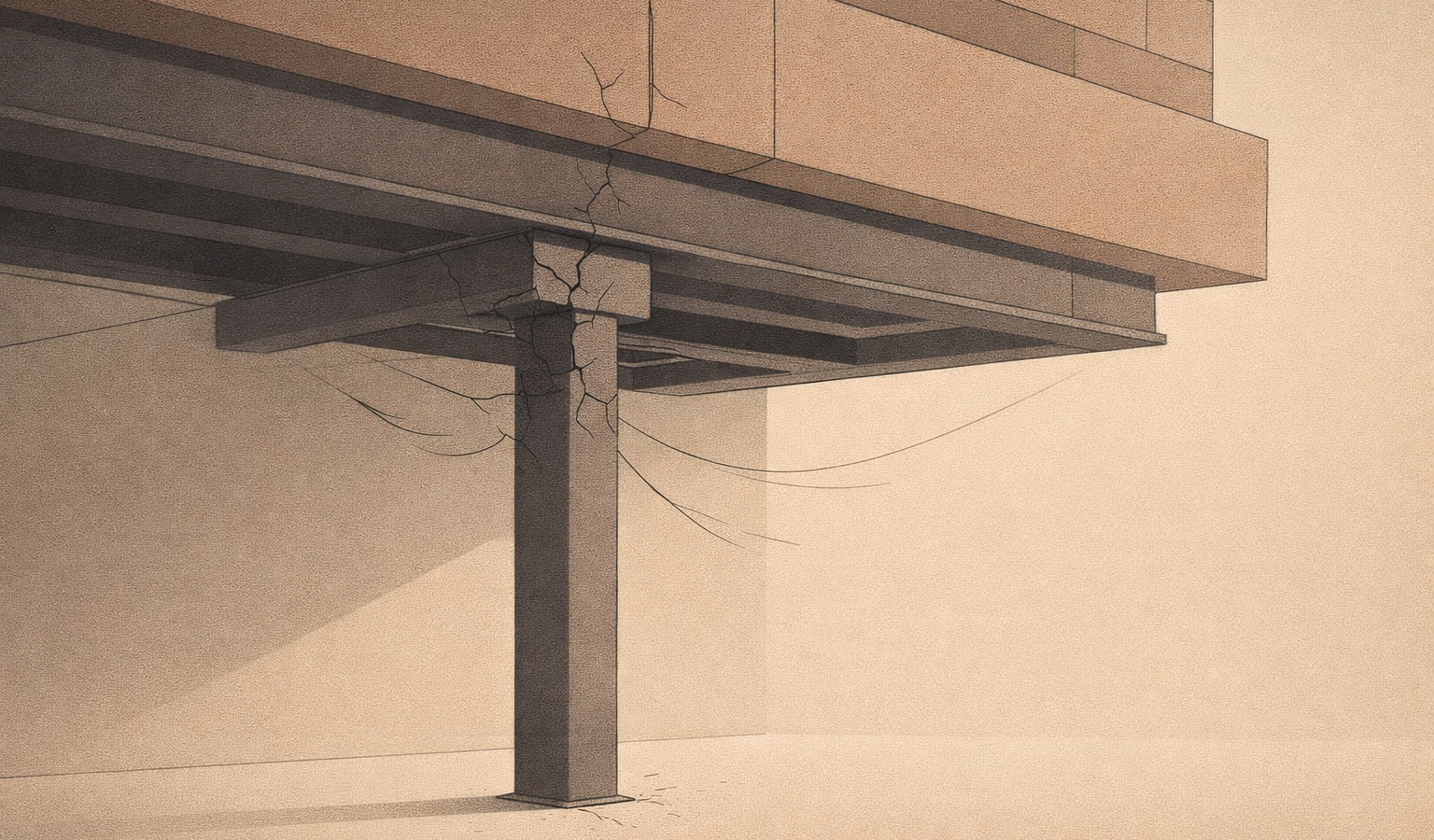
Performed resilience burnout does not announce itself loudly. Instead, it accumulates quietly. It shows up when endurance becomes a requirement rather than a choice, and when strength turns into something you perform instead of something that supports you.
Many people learn early that resilience earns approval. Over time, however, that approval trains the body to carry weight it was never meant to hold indefinitely. As a result, resilience stops protecting you and starts extracting payment.
Performed Resilience Burnout and the Cost of Endurance
At first, endurance looks noble. You show up. You adapt. You keep going. Yet eventually, the body keeps score even when the mind insists everything is fine. Performed resilience burnout develops when recovery is postponed long enough that strain becomes the baseline.
Because of this, the nervous system never exits alert mode. Muscles stay tense. Rest feels unearned. Even silence starts to feel unsafe. What appears functional on the outside quietly erodes capacity on the inside.
Why Performed Resilience Breaks the Body First
The body is honest in ways language often avoids. While social systems reward reliability, biology demands balance. When rest is treated as optional, stress hormones remain elevated, inflammation rises, and fatigue becomes chronic.
According to the American Psychological Association, prolonged stress without recovery directly impacts immune function, sleep quality, and emotional regulation. In other words, the body does not distinguish between survival mode and success culture. It only responds to load.
Stillness as the Antidote to Performed Resilience Burnout
Stillness is not withdrawal. Instead, it is a corrective strategy. When resilience is grounded in self-regulation rather than performance, the body regains its ability to recover.
This shift requires redefining strength. Strength does not mean carrying everything. Strength means recognizing when endurance has crossed into damage and choosing relief before collapse forces it.
Stillness Note: If resilience requires constant self-override, the cost will eventually surface physically. Stillness restores signal clarity before the body is forced to shut systems down.
For a broader framework on rest as discipline, see Stillness Is Strategy.
Redefining Strength Beyond Performance
Ultimately, performed resilience burnout ends when strength stops being theatrical. When recovery becomes routine, resilience becomes sustainable. The body responds not to slogans, but to structure.
Endurance can be useful. However, without relief, it always charges interest.
