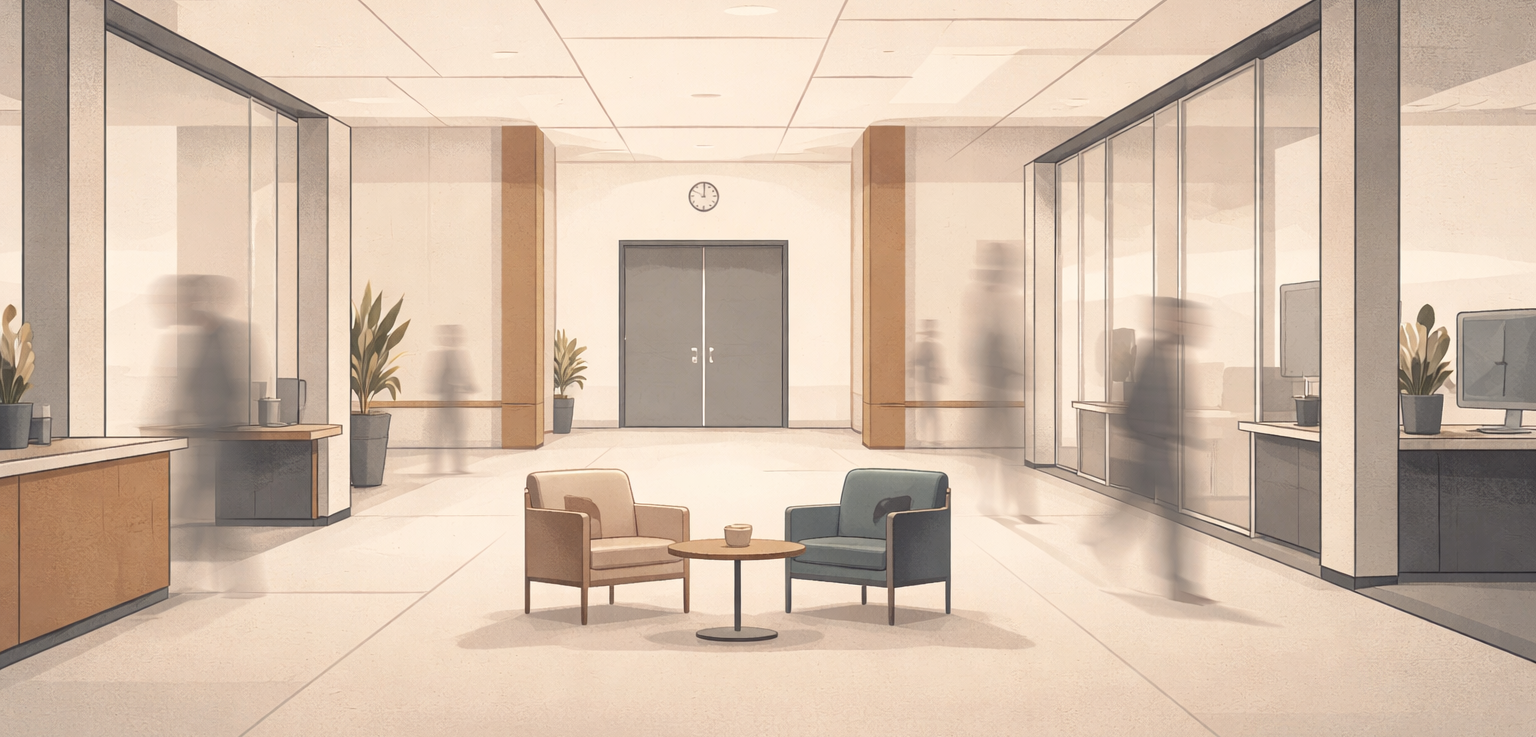
At some point, “busy” stopped being a description and became a defense.
It’s not just personal anymore. It’s cultural. We reward people for being unavailable. We praise exhaustion like it’s evidence of value. We treat full calendars as proof of importance.
In that environment, opting out looks suspicious. Rest feels lazy. Saying no without an excuse sounds rude.
So we invent justifications.
We stay booked to avoid being questioned.
We stay overwhelmed to avoid being examined.
We stay “busy” to avoid choosing.
The Permission to Be Busy Is the Real Problem
The problem is not time. It’s permission.
Permission to slow down.
Permission to prioritize without apologizing.
Permission to admit that not everything deserves access to us.
Most people know what they want to change. What they don’t have is social cover to do it.
So they hide behind activity. Endless meetings. “Quick syncs.” Calendars that look like crime scene evidence. They confuse motion with progress and noise with purpose.
Systems love this. Workplaces, platforms, even social norms benefit when people remain occupied but unfulfilled. An overcommitted human is the ideal user. Always checking. Always scrolling. Always saying yes.
A distracted person is easier to manage than a clear one.
Clarity disrupts schedules. It redraws boundaries. It forces tradeoffs. Tradeoffs make people uncomfortable, especially when they expose how much of our busyness was optional.
That’s why choosing differently feels radical, even when it shouldn’t.
You don’t need more hours. You need fewer permissions given away without thought.
Permission to be busy has replaced the discipline of choosing. Being selective is not selfish. It’s structural.
The moment you stop asking for permission to protect your time, the whole story changes.
And yes.
That’s still us.
Further Groundwork