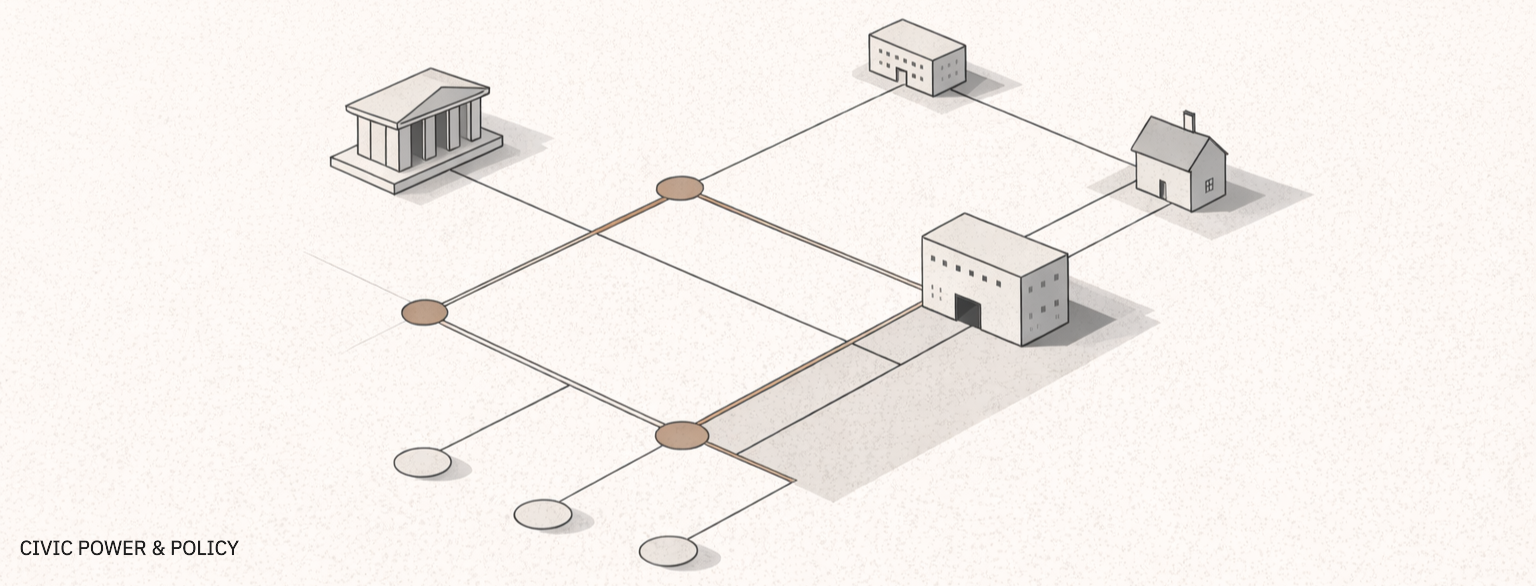
Policy incentives migration patterns long before movement becomes visible. Migration does not begin at the border. Instead, it begins inside the rules, thresholds, and structures that determine how systems reward or restrict behavior.
Most policy conversations focus on enforcement. That focus is incomplete. Enforcement reacts to movement. Incentives produce it.
Policy Incentives Migration Patterns at the System Level
Every system creates behavior, and it does so through incentives.
Those incentives are not always explicit. In practice, they exist in:
- legal pathways
- economic access
- enforcement consistency
- institutional predictability
When these elements differ across connected regions, they create directional pull. As a result, movement follows the structure of opportunity and constraint.
This is not theoretical. It is observable across every migration system.
The Problem Is Not Policy Volume
More rules do not solve misalignment. Likewise, misaligned incentives do not disappear because additional policies are layered on top.
In fact, increased complexity often produces unintended pathways. When formal systems become restrictive or inconsistent, informal systems expand to absorb demand.
Consequently, migration patterns become harder to control, not easier.
What Is Actually Happening
Three forces interact at the same time:
- Push factors increase pressure within one system
- Pull factors create opportunity in another
- Policy design determines how movement is filtered or redirected
When push and pull are both strong and policy design is inconsistent, movement becomes sustained rather than temporary.
This is where Migration Pressure Is a System Failure connects. Pressure explains why movement begins. Incentives explain how it continues.
Why It Keeps Happening
The pattern continues because incentives remain intact even when enforcement increases.
For example:
- If economic opportunity remains significantly higher in one system, movement continues.
- If enforcement is uneven, pathways shift rather than close.
- If legal entry systems are constrained, informal systems expand.
Therefore, policy that ignores incentives will always lag behind behavior.
The same logic appears in Shared Island, Competing Systems. Parallel systems create pressure. Incentives determine how that pressure moves.
The Cost of Misaligned Incentives
When incentives are not aligned with system capacity, outcomes distort.
- border systems overload
- labor markets destabilize
- informal economies expand
- policy credibility weakens
These outcomes are not failures of effort. Rather, they are failures of design.
The Groundwork
Policy must be evaluated through incentives, not intentions.
Three principles apply.
1. Incentives drive behavior
If the incentive remains, the behavior remains.
2. Alignment reduces pressure
When systems coordinate, movement becomes manageable instead of reactive.
3. Structure outperforms enforcement
Design determines outcome. Enforcement only modifies speed.
The objective is not to eliminate movement. The objective is to design systems that regulate it predictably.
Continue Building
- Next Step: Build the Migration Systems Framework page that connects governance, pressure, and incentives into one searchable hub.
- Related Groundwork: Migration Pressure Is a System Failure
- Foundation: Governance Is Structure, Not Intention
Further Groundwork
→ Shared Island, Competing Systems: The Governance Problem of Hispaniola
Receipts