Reform is not free. It never has been.
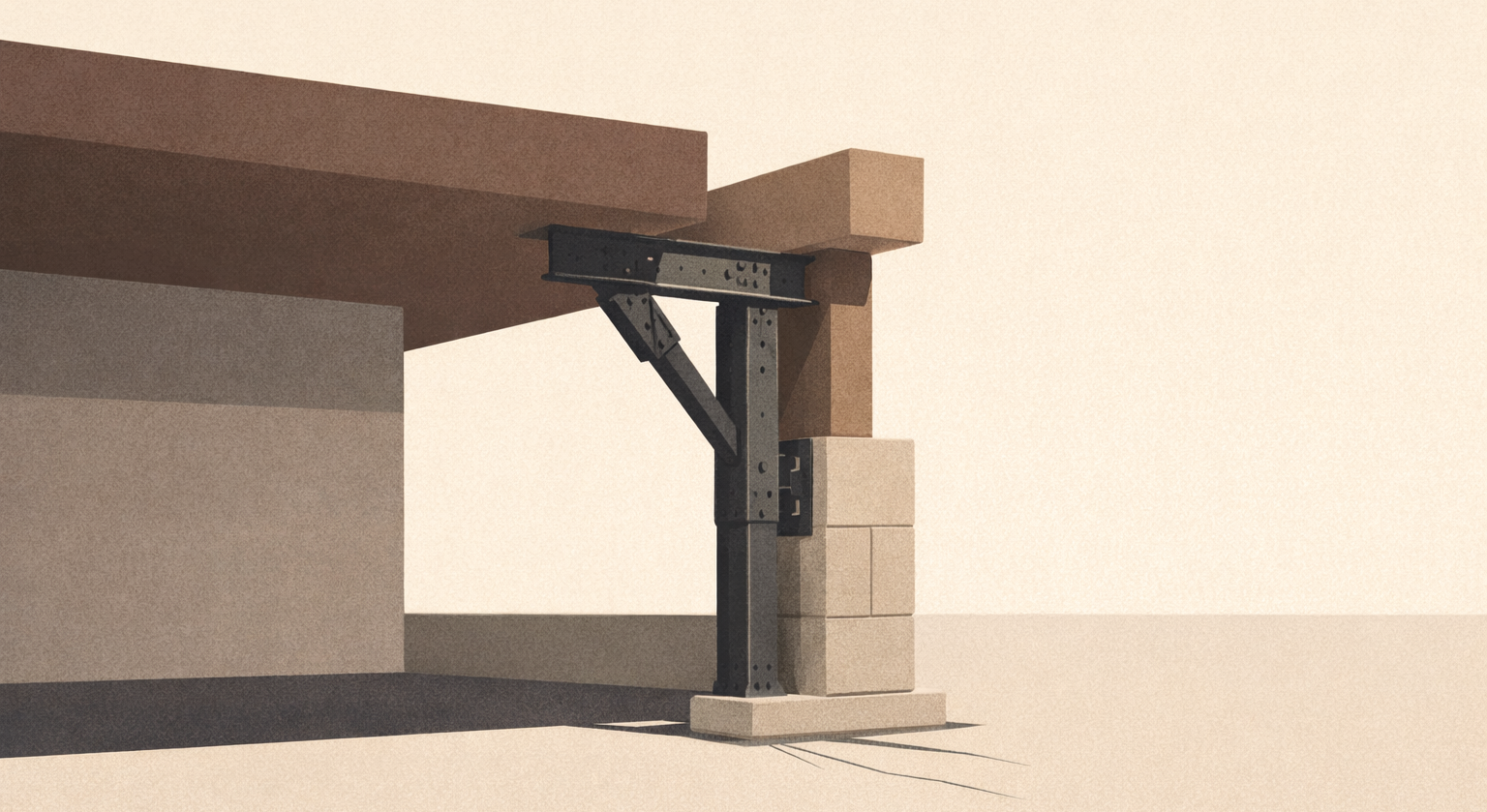
When systems finally change, the costs stop hiding. What silence once absorbed now demands visible effort. New supports appear. New work emerges. Someone has to carry what was deferred.
Why Reform Always Carries a Cost
Reform does not create problems. It reveals them. The strain existed long before change arrived. Silence simply kept it off the books.
When accountability enters a system, it introduces friction. Reporting replaces guessing. Repair replaces postponement. Transparency replaces convenience. Each shift requires labor, time, and resources that someone must supply.
This is why reform feels disruptive. It forces cost to surface instead of circulate quietly. It moves burden from the invisible to the visible.
Where the Cost Shows Up
In institutions, reform often increases workload before it improves outcomes. Staff must document what they once absorbed. Leaders must answer for decisions that silence protected.
In public systems, reform demands investment in maintenance, oversight, and enforcement. These costs feel new only because neglect felt cheaper.
In families and communities, reform requires emotional labor. Conversations replace avoidance. Boundaries replace accommodation. Stability must be rebuilt on truth instead of endurance.
Each case follows the same rule. Reform transfers cost from the least visible layer to the most accountable one.
That is why reform meets resistance. The system has already decided who should pay. Change threatens that arrangement.
Discipline matters here because discipline accepts cost upfront instead of compounding it. That logic anchors Discipline Before Dollars.
Research reinforces this reality. The Brookings Institution shows that effective governance requires sustained investment. Reform fails when systems demand change without funding the work it creates.
The Bottom Line
Reform is not free. It only feels expensive because silence made neglect look cheap.
If a system refuses to pay for reform, it will keep charging someone else quietly.