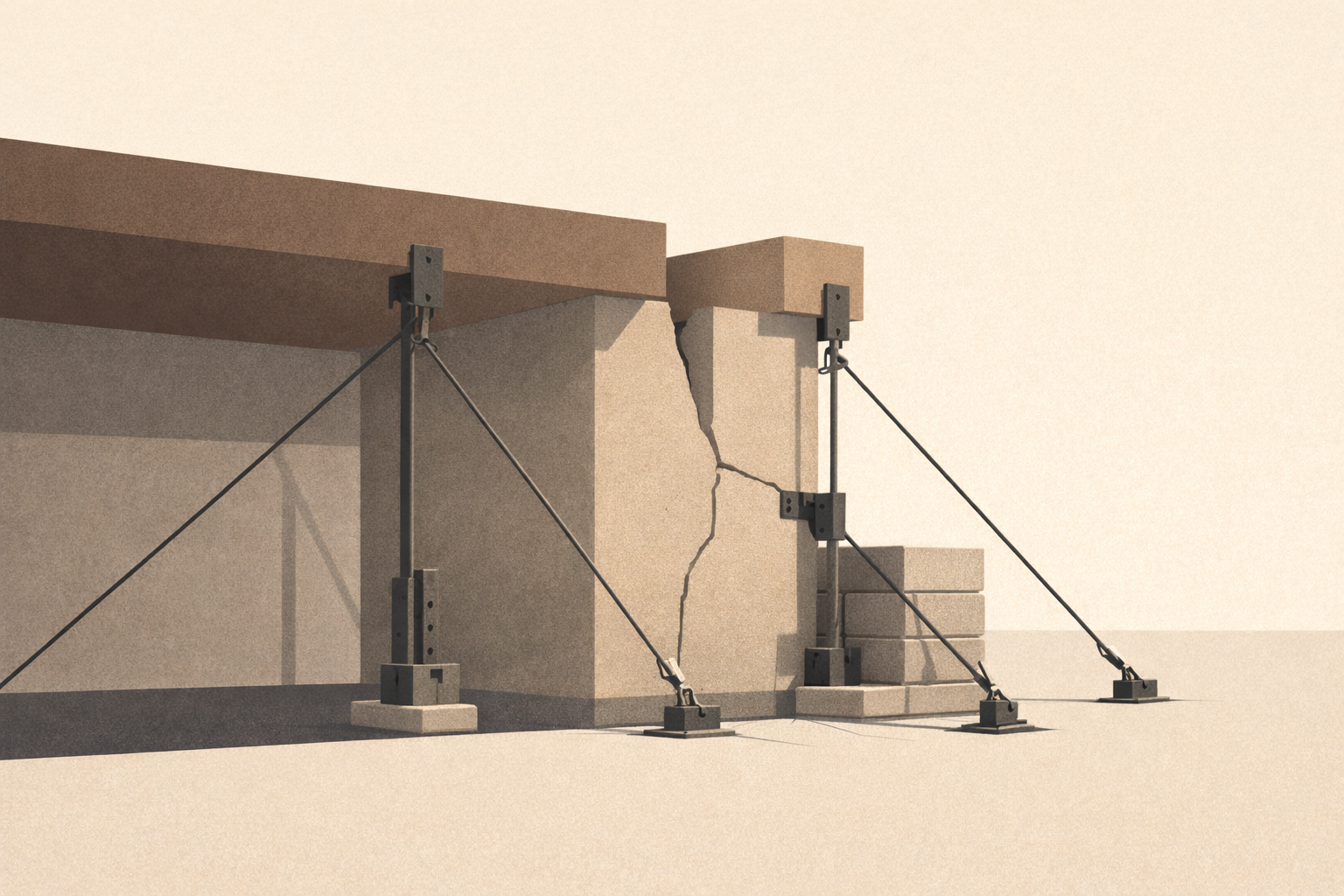
The price of stability explains why broken systems survive longer than they should.
Stability feels safe, even when it is expensive. Familiar routines, known risks, and predictable failures often feel preferable to uncertainty. As a result, people defend order long after it stops serving them.
Why Stability Gets Defended
Stability offers predictability. People know where pressure will land. They know who absorbs cost. Even when the structure strains, its behavior feels legible.
Repair threatens that clarity. Repair forces new responsibilities, new rules, and new exposure. It shifts who pays and who answers. For many systems, that shift feels more dangerous than ongoing damage.
As a result, systems choose restraint over repair. They add supports. They enforce rules. They absorb cost quietly rather than rebuild openly.
Where the Cost Shows Up
In institutions, stability gets defended through policy layering and procedural friction. New requirements slow movement without fixing root causes.
In public systems, leaders fund containment instead of correction. Temporary fixes hold structures in place while long-term damage grows.
In families and communities, stability gets preserved through silence and accommodation. People manage conflict instead of resolving it.
Each response carries a cost. The system stays upright, but it grows heavier to maintain.
Discipline matters here because discipline measures cost honestly. It distinguishes between what feels stable and what actually holds. That logic underpins Discipline Before Dollars.
Research echoes this dynamic. The Brookings Institution notes that resistance to reform often stems from fear of disruption, even when existing arrangements prove inefficient or harmful.
The Bottom Line
The price of stability is rarely visible upfront.
When systems defend order instead of repair, they pay in endurance, complexity, and quiet exhaustion. Stability survives, but it never comes free.