Who pays to fix what broke is the question systems avoid for as long as possible.
Power moves costs quietly. It shifts responsibility sideways, downward, or into silence. Over time, damage accumulates while stability is defended, narratives are managed, and repair is postponed.
Eventually, deferral ends. Something gives. The system must answer a question it has spent years avoiding.
Damage Can Be Deferred. Repair Cannot.
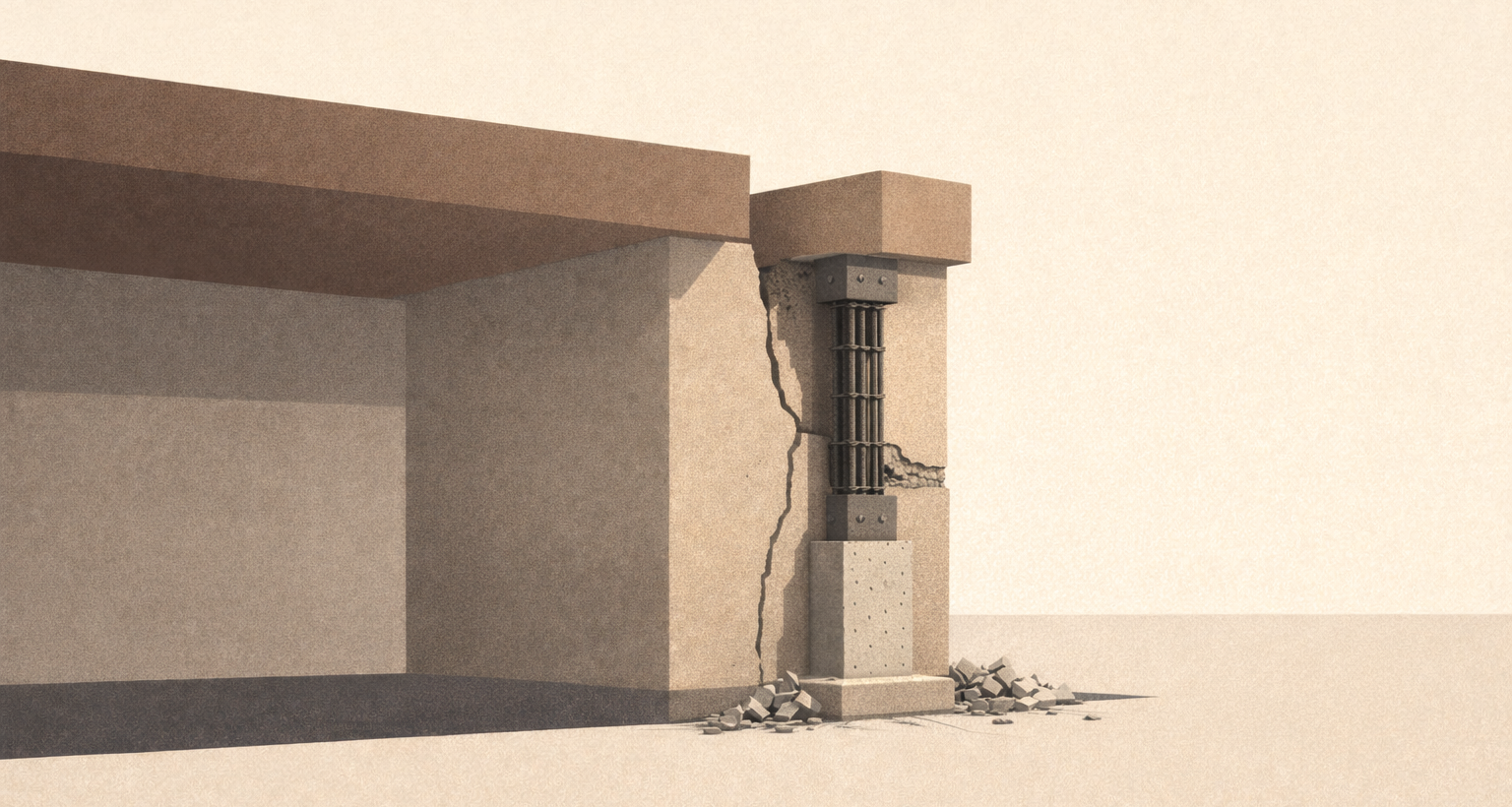
Every system breaks at its weakest point. Repair rarely begins there.
Temporary supports appear instead. Budgets are reshuffled. Rules are rewritten. Stability is preserved through restraint rather than repair because restraint is cheaper and politically quieter.
The bill does not disappear. It waits.
Who Pays to Fix What Broke
Repair changes the math. Unlike restraint, repair requires a payer. Someone absorbs the cost directly. Someone is named, even if informally. Someone loses resources so the system can function again.
At this stage, accountability becomes unavoidable. Not moral accountability. Structural accountability.
Infrastructure failures, financial bailouts, public pension shortfalls, and institutional reforms follow the same arc. Costs are diffused until repair becomes unavoidable. Then payment concentrates.
Why the Same Groups Keep Paying
The answer to who pays to fix what broke is rarely random.
Costs land where leverage is lowest and resistance is weakest. Communities without exit options. Workers without bargaining power. Taxpayers without direct control. Responsibility follows capacity, not causation.
This is not conspiracy. It is structural mechanics.
Institutions matter because they decide how repair costs are distributed. When they fail, payment becomes regressive by default.
For additional institutional context, see governance and institutions .
Aging infrastructure maintained through emergency repair rather than sustained investment.
Financial systems stabilized by public funds after private risk concentration.
Pension obligations deferred across generations until contribution gaps become unavoidable.
Environmental damage postponed through regulatory delay, shifting cleanup costs to communities.
Institutional reforms that reveal budget shortfalls only once accountability is unavoidable.
Repair Ends the Cycle
Every Power & Price cycle ends here. Not with collapse. With repair.
Someone pays. Someone always does. The only remaining question is whether responsibility is acknowledged honestly or buried beneath another layer of stabilization.
The Bottom Line
Systems avoid responsibility until repair makes it unavoidable. When the bill comes due, payment follows power, leverage, and institutional design, not fairness.