
Some pauses carry wisdom. Others carry avoidance.
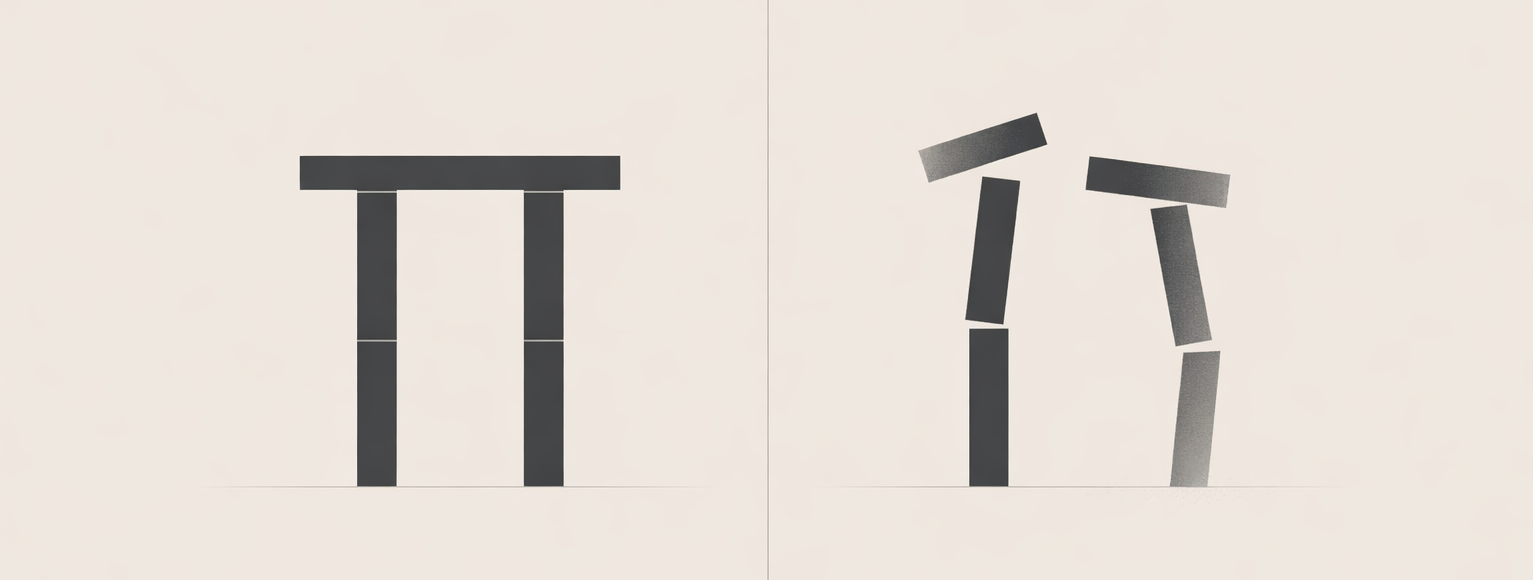
Stillness vs inaction is a difference many people miss at first. From the outside they can look almost identical, yet they arise from very different intentions and lead to very different outcomes.
At a glance, both appear quiet. Both involve waiting. Both can make it seem as though nothing is happening at all.
Underneath that surface, however, something very different is taking place.
Stillness is intentional, while inaction is passive.
Stillness listens with care, whereas inaction often turns away from the decision entirely.
Because of that, the difference between them quietly shapes the direction of a life.
Stillness vs Inaction: The Discipline of the Pause
Stillness begins with attention.
It is the moment when someone slows down enough to observe what is actually happening instead of reacting to what they assume is happening.
In that pause, perspective has room to breathe.
A person practicing stillness is not frozen. They are gathering information, watching patterns, and allowing emotion to settle so that judgment can become clearer.
Sometimes the most disciplined move is to wait long enough for the right move to reveal itself.
Athletes understand this instinctively. A skilled player does not rush every motion. Instead, they read the field, study the timing of others, and move when opportunity opens rather than when anxiety pushes them forward.
For that reason, stillness is patience with purpose.
Understanding stillness vs inaction helps a person recognize whether they are observing life carefully or quietly avoiding the decisions in front of them.
When Waiting Becomes Avoidance
Inaction, by contrast, often disguises itself as patience.
Someone tells themselves they are waiting for the right moment, but the truth underneath is hesitation.
Often, the decision has already been delayed many times.
Fear enters quietly. Then uncertainty grows louder. Soon movement becomes harder.
Eventually, the pause stops being thoughtful and becomes habitual.
As a result, opportunities fade without ever being directly rejected. They simply expire while someone waits for a perfect certainty that never arrives.
Stillness clarifies the path forward, but inaction quietly closes it.
The Quiet Work of Clarity
Over time, the difference between stillness vs inaction becomes easier to see.
When someone is practicing stillness, the mind remains engaged. They ask questions, reflect honestly, and examine what they are seeing and hearing.
Inaction feels different.
Thought becomes circular. Energy drops. Attention drifts away from the decision itself.
In stillness, a person moves closer to action because clarity slowly grows inside the pause.
With inaction, a person moves further from action because the decision remains untouched.
That is the quiet line separating stillness vs inaction. One prepares the mind for movement. The other postpones the moment when movement must begin.
Learning the Difference
Life rarely requires constant motion.
It does, however, require awareness of why we pause.
A thoughtful pause can strengthen judgment, deepen understanding, and protect a person from impulsive mistakes.
Avoidance, on the other hand, quietly erodes confidence because the decision continues to linger unresolved.
Stillness asks a question:
What needs to be understood before moving forward?
Inaction asks a different one:
How long can I avoid choosing?
At first glance, those questions can seem similar.
Yet the answers lead to very different lives.
Stillness prepares the ground for movement. Inaction slowly buries it.
