
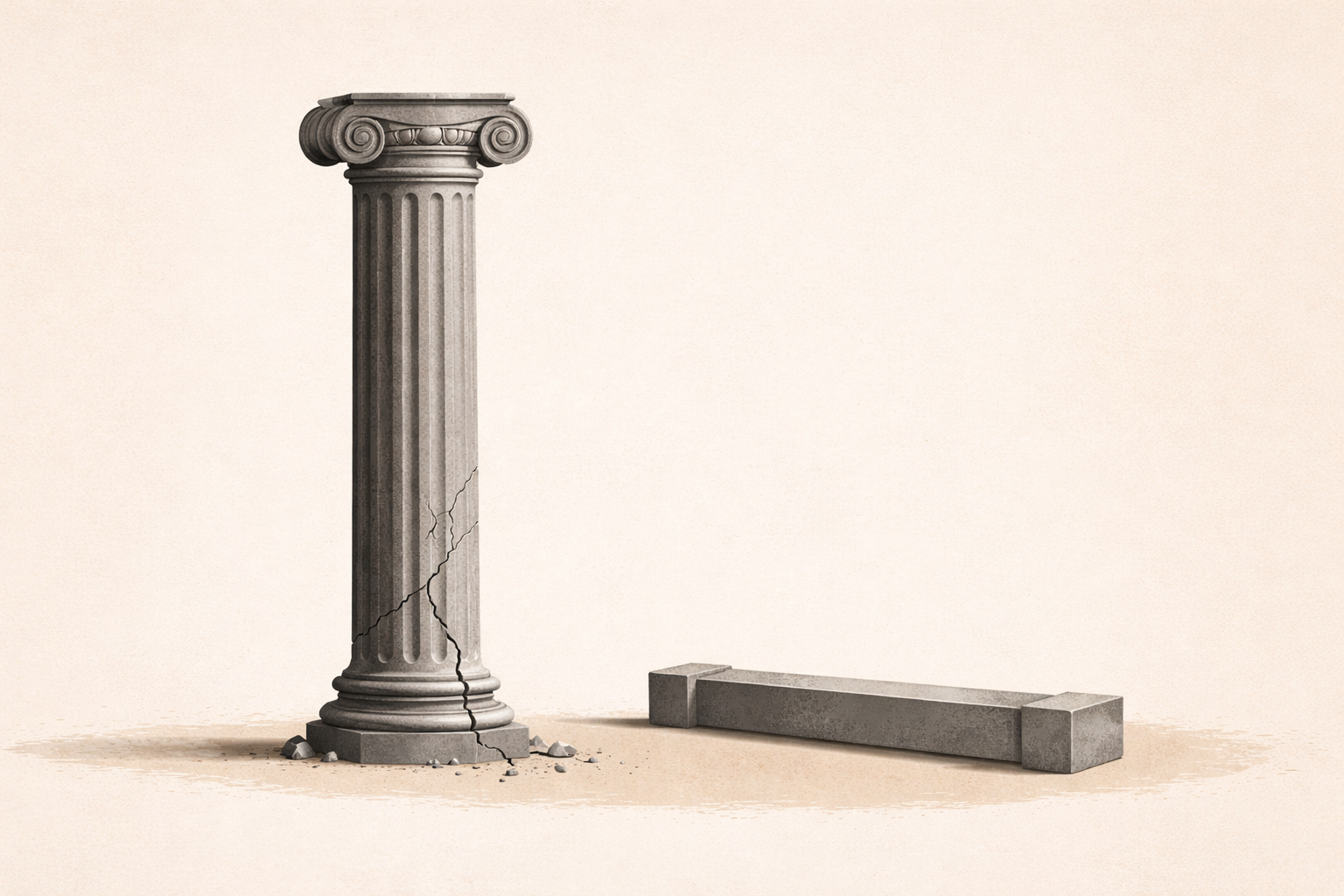
The difference between strength vs self-sabotage is often misunderstood.
Strength vs Self-Sabotage in Relationships
The word “strong” gets used loosely. In many conversations, strength has become a badge rather than a behavior. It is claimed early, defended loudly, and rarely examined. However, real strength is not defined by resistance. It is defined by discipline.
Stubbornness feels powerful because it resists external pressure. Strength, however, absorbs pressure and adapts without losing direction. One protects the ego. The other protects the outcome.
This distinction matters in relationships.
When Strength Becomes Resistance
When strength is confused with defiance, accountability begins to feel like an attack. As a result, feedback sounds like control. Boundaries feel like limitations. Over time, this posture does not create independence. Instead, it creates isolation.
True strength is not the refusal to bend. It is the ability to adjust without breaking alignment.
Self-sabotage often wears the costume of empowerment. It sounds like “I do not need anyone,” “I am not changing for anyone,” or “This is just who I am.” These statements can be protective in harmful environments. But when carried into healthy relationships, they quietly block growth.
Strength builds capacity. Stubbornness builds walls.
This is where strength vs self-sabotage quietly determines whether a relationship grows or fractures.
The Cost of Self-Sabotage Over Time
Healthy relationships require flexibility, not surrender. Therefore, compromise is not weakness. Listening is not submission. Accountability is not loss of self. These are structural skills, not emotional concessions.
The irony is that many people who pride themselves on being strong are exhausted from carrying everything alone. What they call independence is often unmanaged resistance. What they call standards are sometimes unexamined habits.
This pattern reflects a broader tension explored in relationship clarity and boundaries, where definition determines stability.
Strength is choosing long-term stability over short-term validation. It is staying open to correction. It is knowing when to stand firm and when to evolve.
Self-sabotage protects the identity. Strength protects the future.
Understanding strength vs self-sabotage is not about personality. It is about long-term relational outcomes.
Research on relational resilience supports this distinction between rigidity and adaptability, particularly in long-term partnerships (Psychology Today).
What people call strength often determines what they are willing to examine. Ultimately, what they refuse to examine eventually examines them. That is not punishment. It is structure.
