
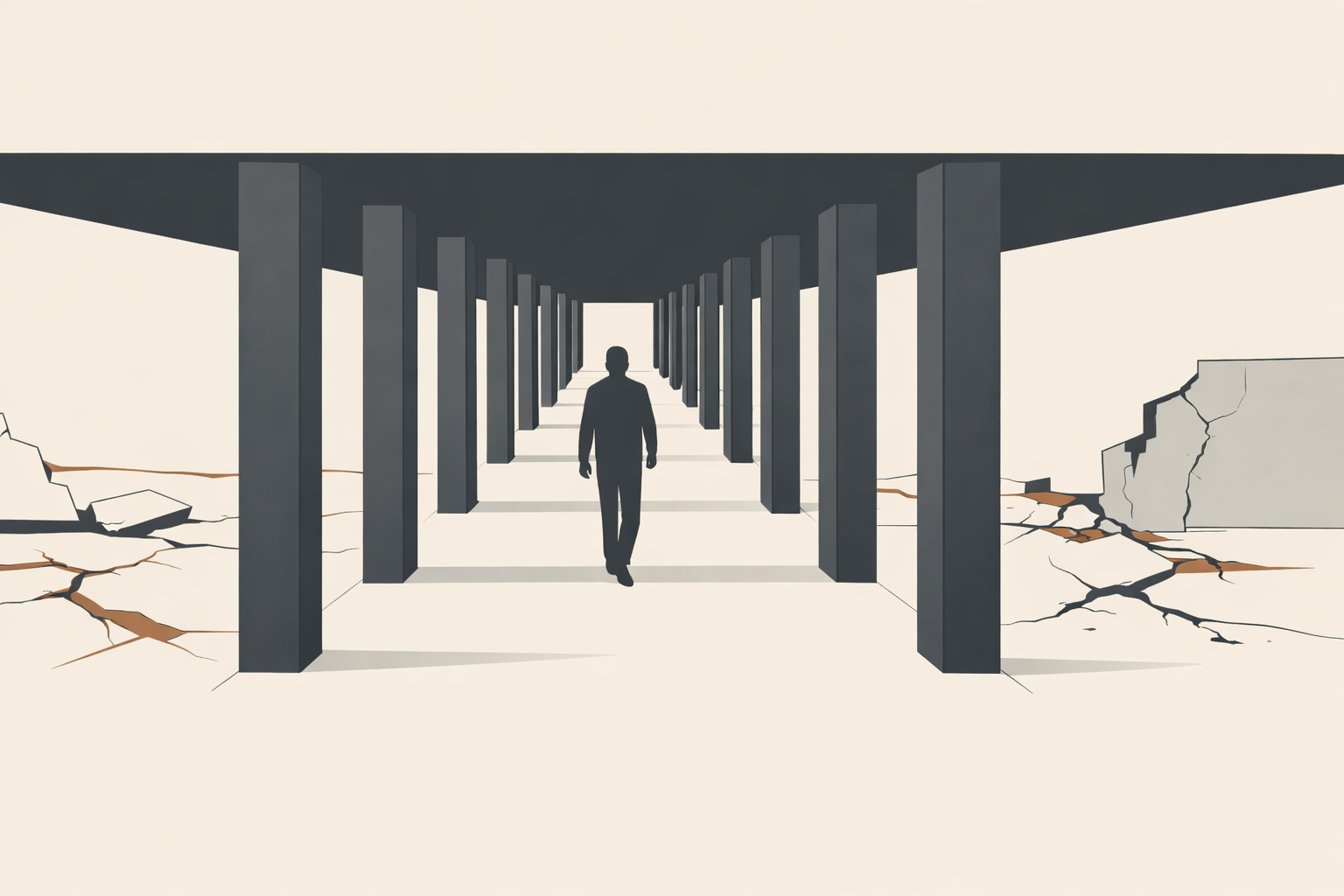
Structure is mercy. It is not punishment. It is not pressure for the sake of pressure. It is protection built in advance so chaos does not get the final word.
People often misunderstand structure because they meet it as a rule before they understand it as relief. They see the calendar, the boundary, the routine, the standard. However, they miss what those things prevent. They do not see the wasted motion, the repeated mistake, the emotional volatility, or the silent breakdown that structure keeps from spreading.
Why Structure Is Mercy
Mercy is not always soft. Sometimes mercy looks like a system that keeps you from falling apart when your energy drops, your focus scatters, or your emotions start making decisions they were never designed to make.
That is why structure is mercy. It removes avoidable suffering. It reduces unnecessary confusion. It gives the day a framework strong enough to hold pressure without collapsing under it.
In practical terms, structure limits the number of foolish decisions you have to recover from later. It creates stability before the crisis arrives. More importantly, it turns discipline into something usable, not theoretical.
Chaos Feels Free Until It Sends the Bill
Disorder usually presents itself as flexibility. It feels open. It feels loose. It feels like freedom without friction. Yet that feeling does not last.
Eventually, unstructured living produces the same invoice every time: delay, inconsistency, stress, unfinished work, strained relationships, and consequences that could have been avoided with a little order earlier.
In other words, chaos feels free at the front end because it hides its cost. Structure feels demanding at the front end because it reveals its value slowly. One flatters the moment. The other protects the future.
Structure Protects Capacity
When systems are weak, everything requires extra effort. Small tasks become heavy. Basic decisions become draining. Simple routines become negotiations. As a result, life starts consuming energy that should have been available for better work.
By contrast, structure protects capacity. It preserves attention. It shortens recovery time after hard days. It keeps the mind from reinventing the same answer every morning.
That is one reason strong people still need structure. Strength without structure leaks. Discipline without systems burns hot, then burns out.
Mercy Often Arrives as Restraint
Not every form of mercy feels pleasant in the moment. Sometimes it looks like saying no sooner. Sometimes it looks like going to bed on time. Sometimes it looks like a budget, a boundary, a checklist, or a calendar block that keeps your life from drifting into avoidable damage.
That restraint matters because drift rarely announces itself. It moves quietly. It weakens standards gradually. Then it normalizes what should have been corrected much earlier.
Structure interrupts that pattern. It draws a line before the damage multiplies. Therefore, restraint is not the enemy of peace. Often, it is the condition that protects peace.
Build the System Before the Pressure Hits
Waiting until life becomes unstable is the worst time to start respecting structure. Under pressure, people usually reach for intensity instead of design. They try to compensate with willpower. They promise themselves a dramatic reset. They rely on urgency to do the work that routine should have been doing all along.
That strategy is weak.
A better strategy is to build the system before the pressure hits. Set the standard early. Make the path clear. Remove unnecessary decisions. Keep the routine visible. Then let the structure carry some of the weight when your mind or mood cannot.
Structure Is Mercy Because It Carries What Feelings Cannot
Feelings matter, but they are unreliable foremen. They react well. They do not build well.
Structure is mercy because it carries what feelings cannot. It keeps the floor from cracking every time motivation disappears. It holds the line when excitement fades. It creates a stable path through environments that would otherwise pull you into fragmentation.
That is not oppression. That is provision.
And once you understand that, structure stops looking restrictive. It starts looking like one of the kindest forms of wisdom available to a builder.
