
Virality feels fast and chaotic. It often starts as a joke, a clip or a moment nobody planned to defend. What people forget is that going viral functions like a public record. Once the internet picks you up, you do not return to private status. You enter a form of civic visibility that does not expire on demand.
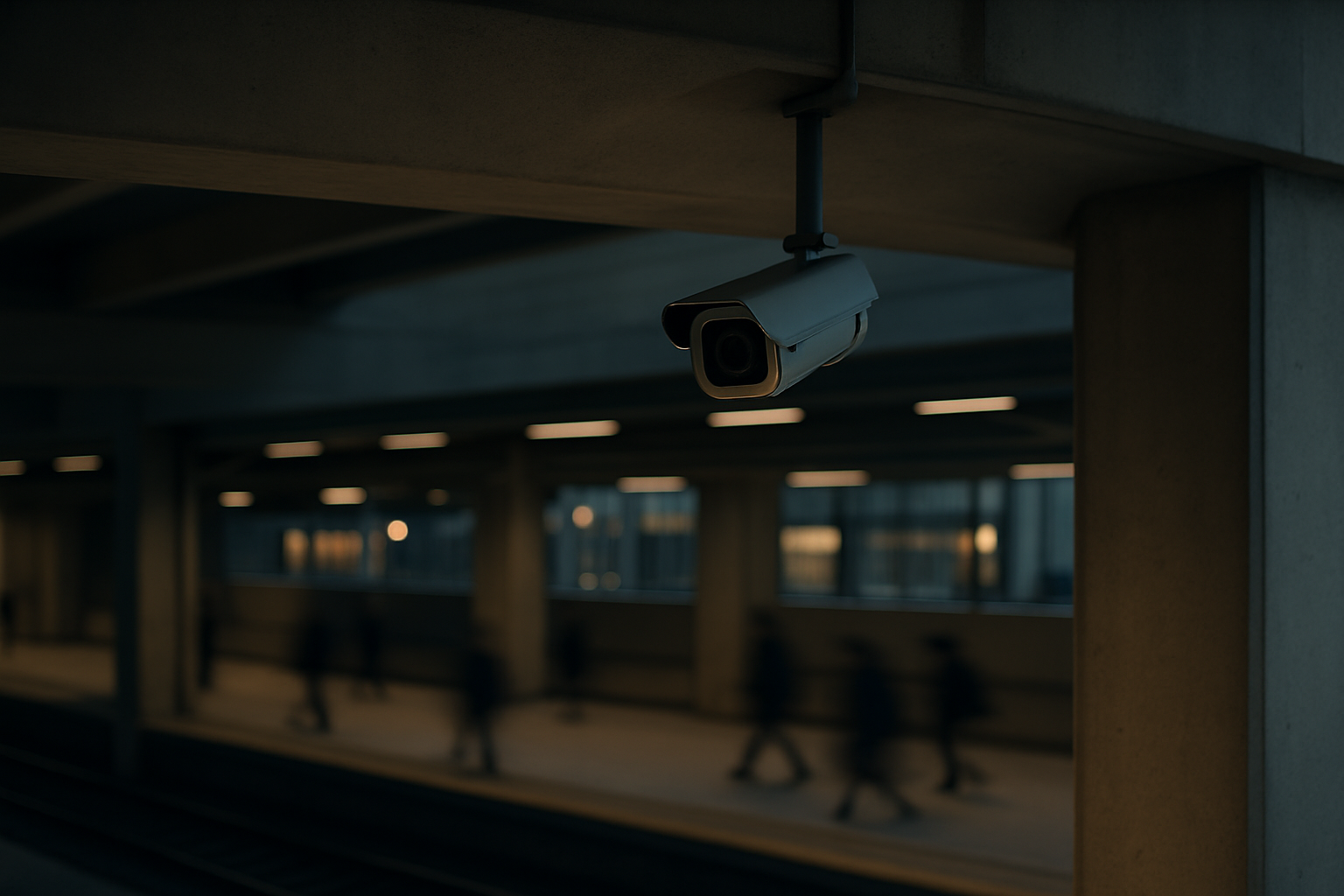
People often describe viral attention as embarrassing or frustrating. In civic terms, it is structural. Platforms function as decentralized record keepers. When a clip circulates, the internet behaves like a network of clerks who duplicate the file, store it, categorize it and discuss it. The result is permanence.
There is a legal dimension as well. For decades, public records meant documents created by courts or agencies. Today, public records have a cultural version. A person caught in a moment of poor judgment is preserved through reposts, reaction videos and search engine indexing. Online replication behaves like record keeping. It does not matter whether the clip is fair or taken out of context. It exists.
The civic lesson is simple. Visibility is not neutral. A person who enters a public space enters a zone where cameras operate without coordination and where strangers act as distributors. Reputation becomes vulnerable to the scale of the network. One miscalculation becomes a data point that strangers feel licensed to evaluate.
Platforms do not forget. Users do not archive responsibly. Search engines do not retire material because someone regrets a moment. Once something becomes viral, it becomes part of the informal but powerful archive that shapes how people understand each other.
The consequence is not punishment. It is permanence.
Further Groundwork