
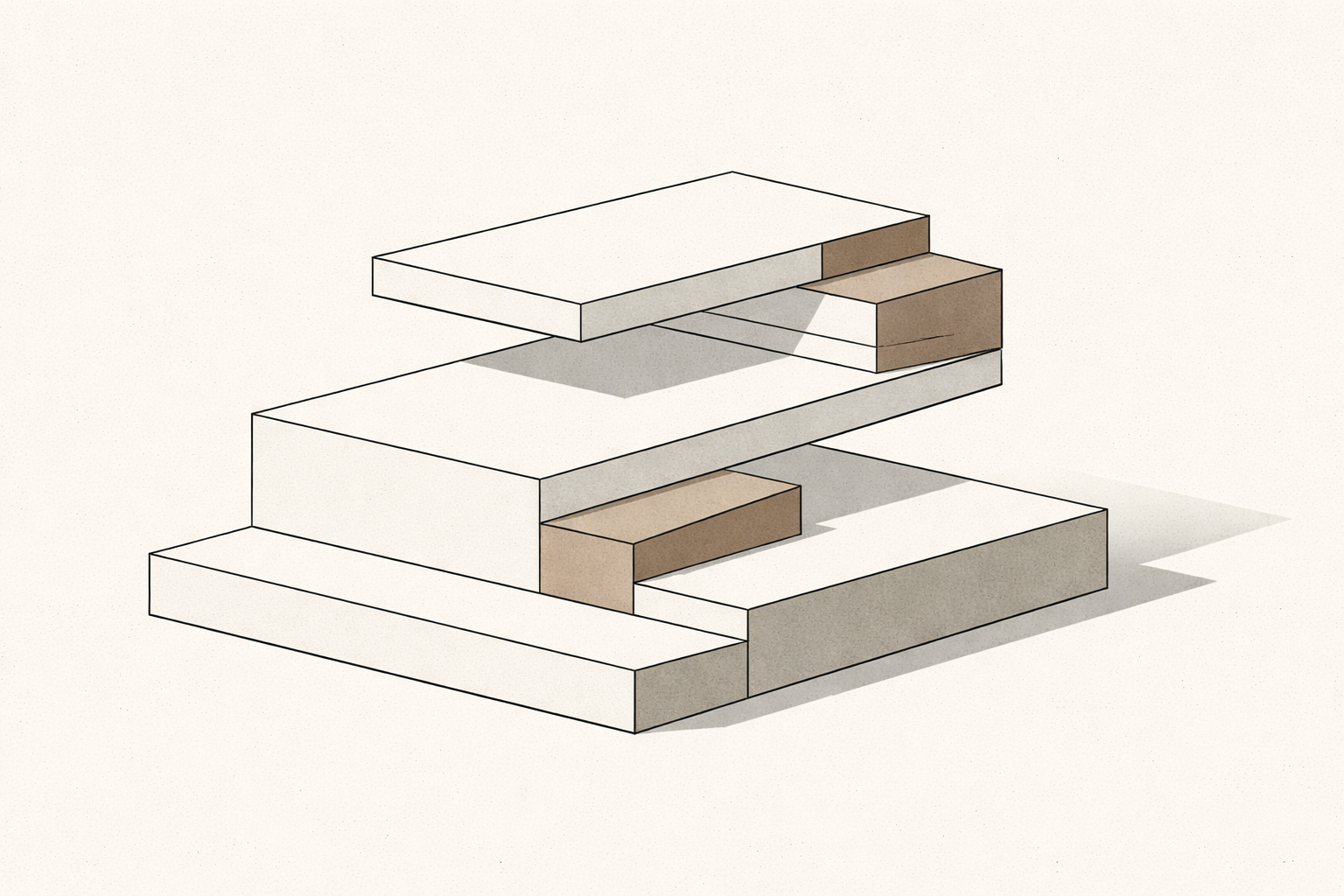
Disciplined life obligations do not operate as advice, motivation, or personal philosophy. They operate as structure. When people respect sequence, progress compounds quietly. However, when people violate sequence, effort turns into friction, and time gets consumed correcting avoidable mistakes.
This order appears consistently across cultures, industries, and generations. Learning comes first. Earning follows. Returning completes the cycle. Because of this consistency, the framework functions as an operating system rather than a suggestion.
The obligation that comes first: learning
Learning requires alignment with reality rather than performance. People study systems, observe outcomes, and develop restraint. Through repetition and reflection, judgment forms before leverage appears.
When people rush past learning, speed becomes expensive. Mistakes repeat. Resources drain. Relationships strain. Consequently, energy gets spent repairing damage instead of building capability. Learning may feel slow, yet it prevents collapse later.
Turning competence into stability
Earning converts capability into reliability. People apply skill consistently, accept accountability, and focus on producing value that holds up under scrutiny. At this stage, discipline shows up through follow-through rather than intensity.
Margin matters here. Therefore, disciplined earners protect solvency, reduce unnecessary risk, and treat momentum carefully. They do not confuse income with identity. Instead, they treat earning as the process that creates options rather than applause.
The responsibility of stewardship
Returning requires stewardship, not charity. People transfer knowledge without ego and reinforce systems instead of centering themselves. Over time, this behavior strengthens environments rather than hollowing them out.
When individuals extract value without replacement, systems weaken. Communities thin. Institutions decay. For clarity on stewardship as a governing concept, see Britannica’s definition of stewardship.
Why sequence protects progress
These obligations do not occur once. They repeat throughout life. Each new level of responsibility resets the cycle. Ownership demands renewed learning. Leadership demands renewed learning. Influence demands renewed learning.
Speed without structure collapses under pressure. Likewise, progress without order decays over time. For this reason, disciplined life obligations compound quietly while dramatic acceleration often burns out.
This is why slow movement often lasts longer. Discipline builds capacity before stress arrives. When stress finally shows up, the system holds because it was assembled in order.
The order holds. Learn before you earn. Earn before you return. Sequence protects durability long after motivation fades.
Further Groundwork: Explore additional governing principles in the Pillars / Principles archive.
