Audit the drift.
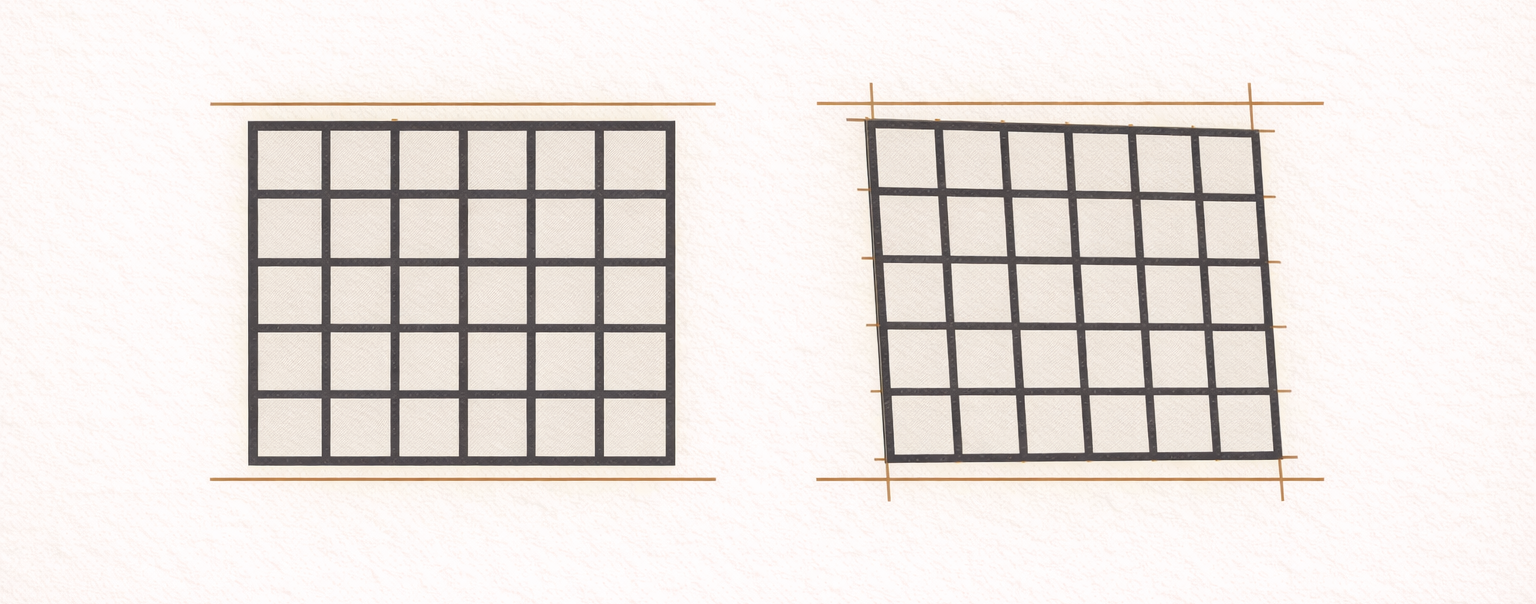
Systems rarely collapse all at once. Most failures begin quietly through gradual drift. Standards soften. Processes shift. Expectations change without anyone formally deciding to change them.
Why Systems Drift Over Time
Drift happens because time introduces small adjustments. One shortcut becomes acceptable. A process step is skipped to save time. A rule is interpreted differently to solve a temporary problem.
None of these decisions appear destructive in isolation. Yet together they move the system away from its original structure.
Over time the organization, team, or personal routine no longer resembles the system that originally worked. The structure has shifted without deliberate design.
This is why stable systems require periodic audits. Reviewing whether processes are still being followed restores alignment before failure becomes visible.
Research on operational drift in complex systems shows that small deviations accumulate until the system behaves unpredictably. Regular review prevents minor adjustments from becoming structural breakdowns.
Consistency requires more than rules. It requires verification.
If margin protects capacity, thresholds protect entry, response windows protect judgment, minimum standards protect consistency, and eliminating exceptions protects discipline, then auditing drift protects alignment.
Review Eliminate the Exception to understand why removing discretionary enforcement strengthens stability.
Maintenance Action:
Review one routine system in your life or work. Compare how it operates today with how it was originally designed. Restore the original standard where drift has appeared.