Raise the minimum.
Systems rarely fail because people lack motivation. They fail because the minimum standard is too low.
When the baseline sits low, small mistakes become structural problems. When the baseline rises, ordinary execution produces stability.
Most people try to improve performance through bursts of energy. They rely on motivation, pressure, or urgency to produce better outcomes. This works briefly. Eventually the system falls back to its original level.
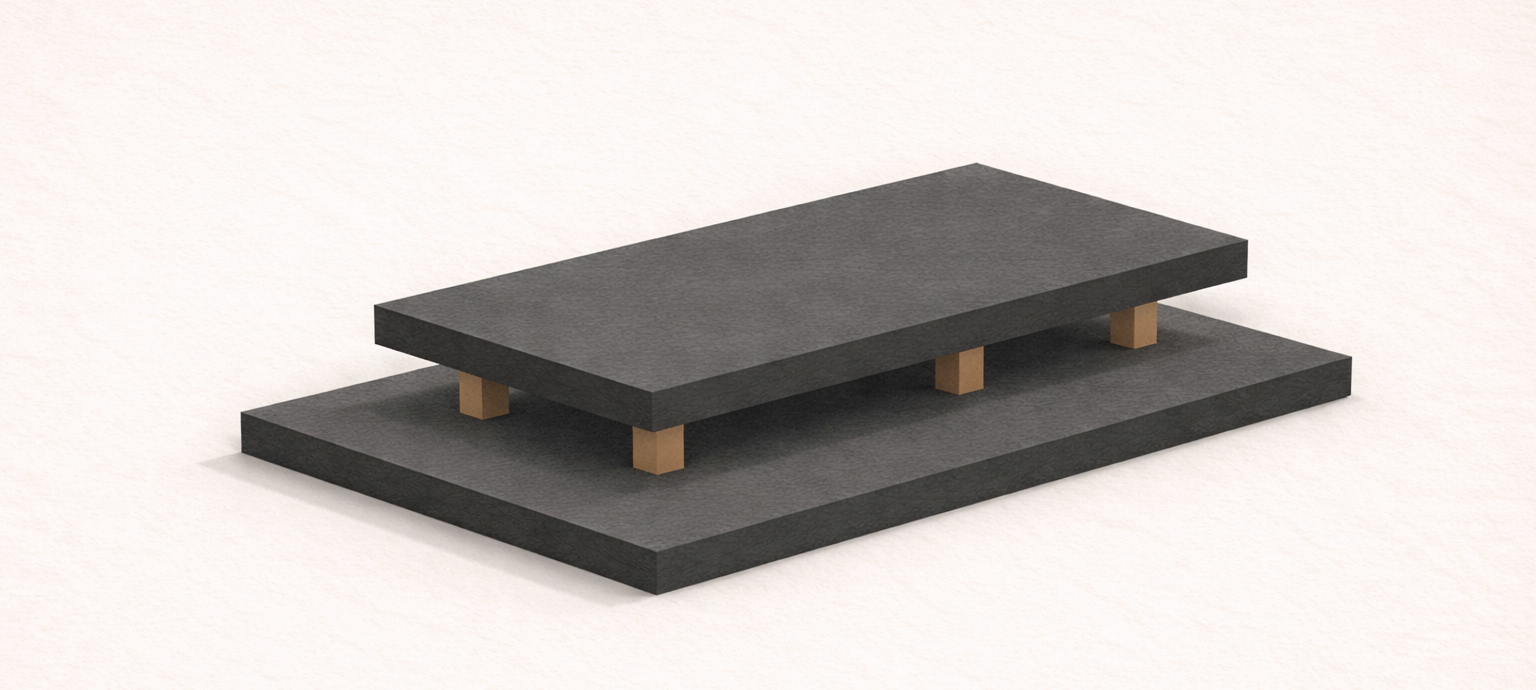
Real stability grows when the floor rises.
A higher floor reduces catastrophic errors. It reduces decisions made in panic. It reduces the moments when discipline must suddenly appear to rescue a weak structure.
Research from the American Psychological Association shows that decision quality declines when people operate under sustained pressure and constant decision demands. When systems rely on bursts of effort instead of stable standards, judgment weakens.
This principle applies everywhere.
Financial stability improves when the minimum savings standard rises.
Health improves when the minimum daily movement rises.
Leadership improves when the minimum behavioral standard rises.
The baseline quietly shapes the outcome.
If margin protects capacity, thresholds protect entry, and the response window protects judgment, the minimum standard protects consistency.
Review Control the Response Window to see how disciplined delay protects decision quality.
Maintenance Action:
Identify one system where the current minimum standard is too low. Raise it. Then enforce it daily.