Reduce system friction before drag becomes failure.
Not every weak system is overloaded.
Some systems simply slow down.
An extra step appears.
A repeated handoff interrupts momentum.
A tool sits too far from the work it supports.
Nothing breaks immediately.
However, the system stops moving cleanly.
That is friction.
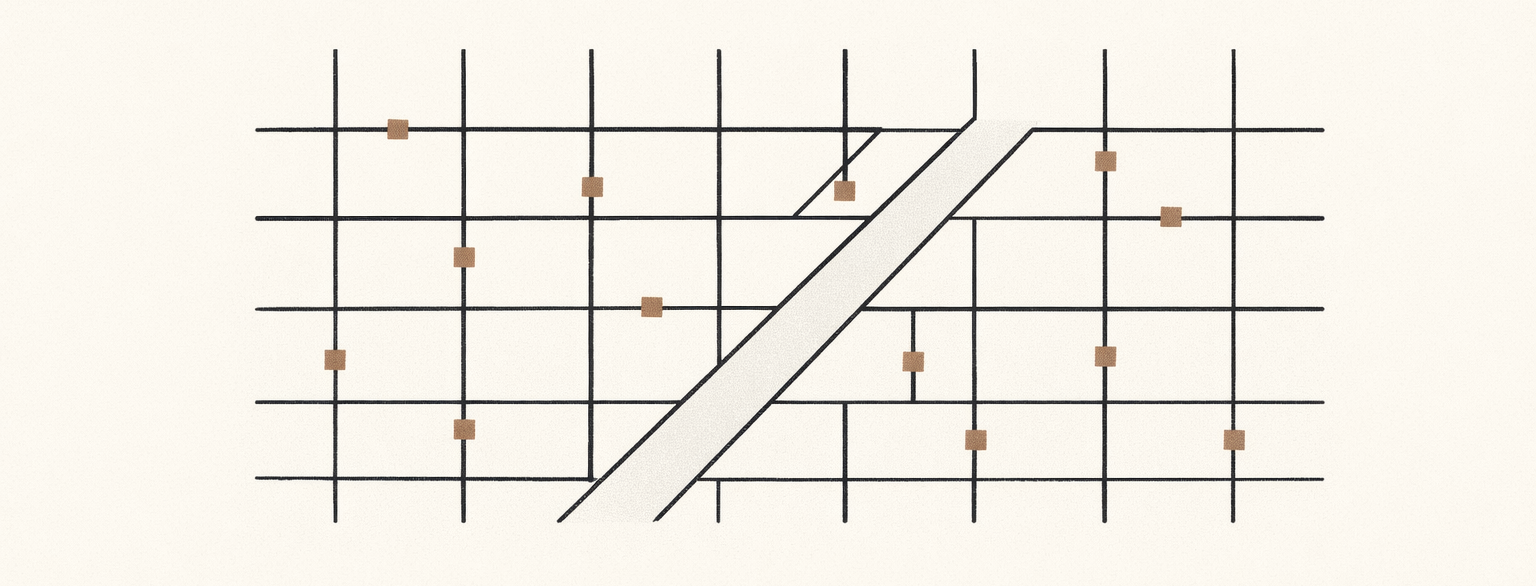
Friction creates drag inside otherwise functional structures.
The process still works, but it costs more energy than it should.
Over time, small interruptions become operational fatigue.
This is why disciplined builders reduce system friction.
They do not rebuild everything.
They remove what interrupts flow.
Clear the Path Before You Push Harder
Most people respond to slow movement by increasing effort.
That is usually the wrong fix.
The better correction is to remove the obstacle first.
Flow returns when resistance disappears.
Today’s Blueprint
Review one recurring process that feels heavier than it should.
Identify the step, handoff, or obstacle that adds unnecessary drag.
Remove or simplify that point.
When you reduce system friction, stable systems regain movement without requiring more force.
Further Groundwork
Respect System Capacity
→ Read here
Stable systems fail when they exceed their threshold. Capacity discipline comes before clean flow.
Reset the Baseline
→ Read here
Recalibration matters after repair. A system needs a clear reference point before performance can be measured again.
Protect the Standard
→ Read here
Standards preserve stability. Without them, friction multiplies and systems drift.