
What men are taught to give in relationships often sounds noble. Men are told to show up, provide, protect, absorb pressure, and stay steady. However, few people ever explain what men are allowed to require in return. As a result, many men enter adulthood fluent in sacrifice but untrained in reciprocity.
This imbalance does not grow from malice. Instead, it develops through tradition, silence, and repetition. Boys learn early that worth comes from output. Society praises men for endurance, not discernment. Over time, giving becomes identity rather than choice.
Eventually, generosity without boundaries turns corrosive. When expectations remain unspoken, resentment fills the gap. Even strong men buckle under invisible weight.
How Men Learn to Give Without Asking
From an early age, men receive consistent messaging. Be useful. Be dependable. Be low-maintenance. Meanwhile, emotional and relational needs receive far less attention. Because of this imbalance, many men internalize the belief that requiring anything risks appearing weak or demanding.
Consequently, relationships shift into performance contracts. Men give time, resources, and stability. In return, they hope for appreciation rather than clarity. Unfortunately, hope does not scale.
Moreover, when giving becomes the only approved role, men lose access to negotiation. They adapt instead of articulate. Over time, that adaptation hardens into silence.
The Cost of Never Requiring
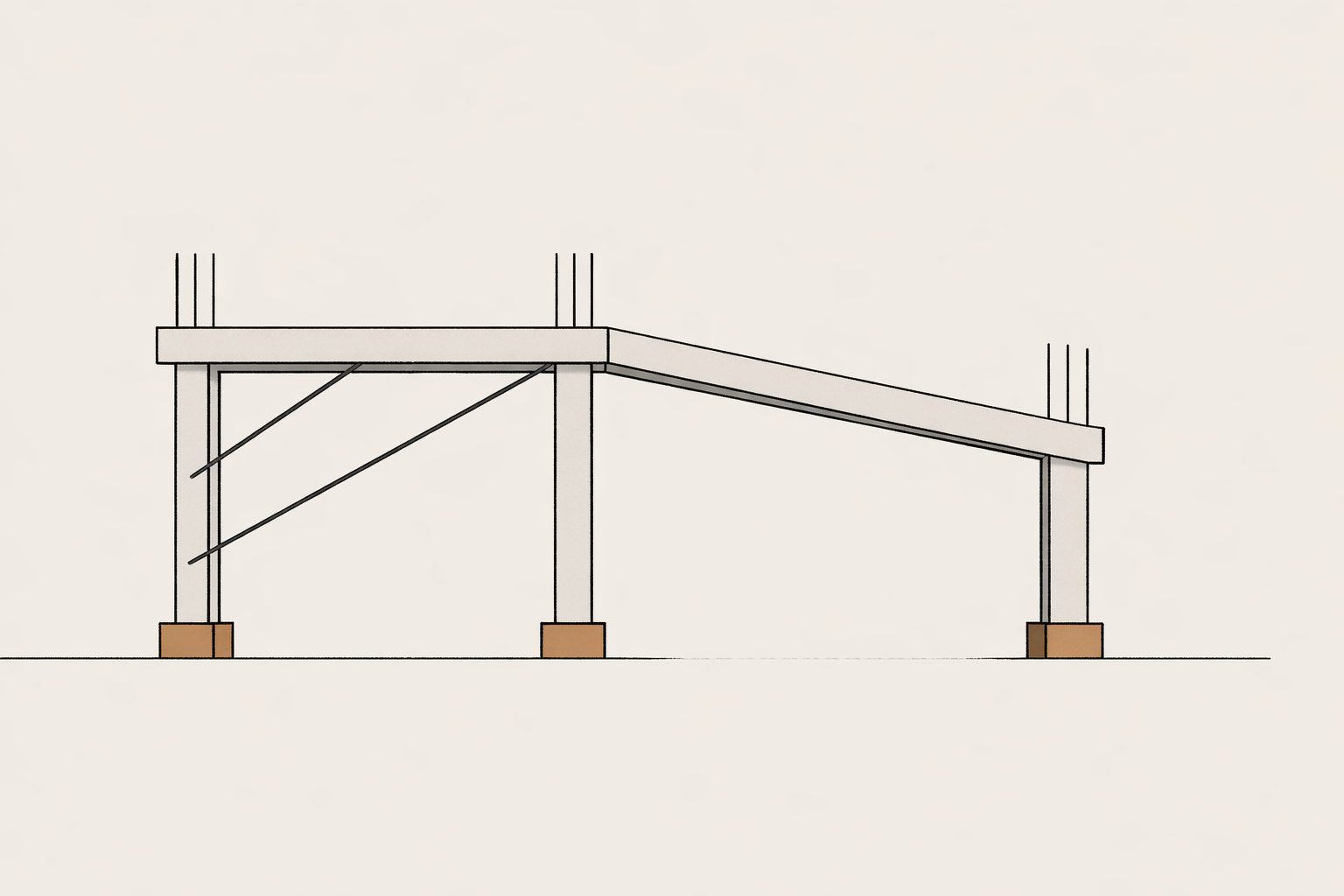
Requiring is not control. Requiring is structure. Without requirements, relationships drift. When men fail to name their standards, partners guess. Guessing, in turn, breeds misunderstanding.
Additionally, imbalance rarely announces itself loudly. Instead, it accumulates quietly. Missed conversations. Deferred needs. Emotional labor left unpaid. Eventually, the structure strains under uneven load.
Still, many men endure rather than adjust. They confuse endurance with strength. Yet real strength includes self-respect.
Why Requiring Strengthens Relationships
Healthy requirements sound simple. Mutual effort. Emotional availability. Respect for time. Shared responsibility. These are not luxuries. They are foundations.
This imbalance does not exist in isolation. Many women are taught what to expect from relationships, yet they are rarely taught how to sustain those expectations through shared responsibility and maintenance. What Women Are Taught to Expect (But Not How to Sustain) explores how surface-level expectations collapse without structural follow-through.
Furthermore, requiring clarity protects both partners. It prevents silent contracts and unspoken debts. When men state what they need, relationships gain traction instead of tension.
Importantly, requiring does not negate generosity. Instead, it refines it. Giving works best when it flows in both directions.
Relearning Balance Without Apology
Men can relearn how to require without apology. First, they must name their needs clearly. Next, they must practice voicing them early. Finally, they must accept that not every relationship can meet them.
Although this process often feels unfamiliar, it restores agency. Balance does not reduce love. On the contrary, balance sustains it.
Ultimately, men thrive when they stop measuring worth solely by what they give. Relationships flourish when contribution and expectation share the same table.
Why Modern Dating Feels Hard outlines how missing instruction creates modern friction.
We Were Never Taught How to Build Relationships explains the training gap beneath the conflict.
Peace Isn’t Boring. It’s Unfamiliar. reframes why calm can feel strange after years of instability.
Research from the Pew Research Center documents how relationship expectations, shared responsibilities, and communication patterns influence stability over time.
