
February archive: https://groundworkdaily.com/2026/02/
February 2026 Groundwork Report is a record of what we tested, what held, and what cracked under pressure. This month focused on boundaries that actually work, institutional trust, and systems that stay honest when attention gets loud.
Start here (featured reads):
February did not whisper. It pressed. And that pressure did something useful. It separated performance from structure. The month moved through a simple question with a lot of consequences. What holds up when nobody is in the mood to be disciplined?
The Month in One Line
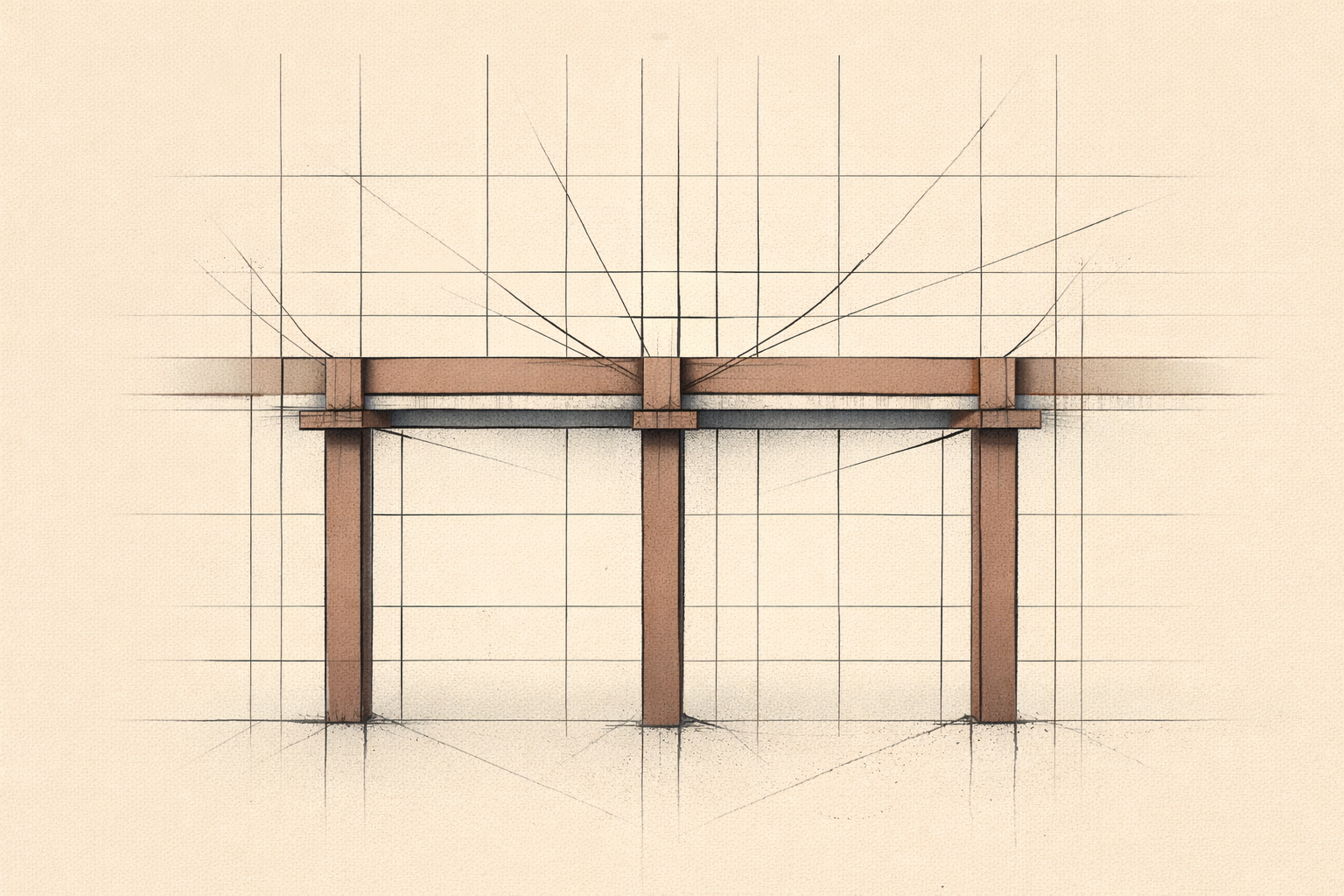
February was about building systems that keep their shape under social heat. In relationships. In institutions. On the internet.
Theme 1: Boundaries That Hold Their Shape
We did not treat boundaries as vibes. We treated them as a design problem. Clear language is not cruelty. It is safety.
-
Boundaries Are Instructions, Not Suggestions
The line is the point. Without it, you are negotiating your life every day. -
When Clarity Gets Called Cruelty
A clean boundary triggers people who benefited from your confusion. -
The Soft Life Isn’t Soft If You Don’t Have Boundaries
Comfort without rules is just delayed stress. -
Polite Is Not the Same as Respectful
Politeness can be a mask. Respect is behavior that costs you something.
Theme 2: The Internet as a Courtroom, Not a Diary
The web keeps receipts. That is not moral. It is mechanical. When life becomes content, consequences get outsourced to strangers.
-
System Updates: When Going Viral Becomes a Public Record
Virality turns private mistakes into searchable history. The platform does not forget. -
The Internet Confused Presence With Performance
Visibility is not contribution. Noise is not leadership. -
Accountability Without Architecture Is Just Blame
If there is no structure for repair, outrage becomes the whole system. -
Digital Colonialism: When Poverty Becomes Content
When suffering becomes a product, dignity becomes the price.
One external anchor worth keeping in your toolkit. The internet is also an archive. See how institutional archiving works here: Library of Congress Web Archiving Program .
Theme 3: Trust, Institutions, and the Cost of Drift
We kept returning to the same sober truth. Trust is produced by consistent standards, not good intentions.
-
Trust Is Not a Feeling: How Institutions Earn It
Trust is built when rules are clear and enforcement is predictable. -
Why Institutions Fail (And How Stability Prevents It)
Failure is rarely sudden. It is usually normalized drift. -
Why Democracies Struggle With Financial Restraint
Governance collapses when spending becomes identity and math becomes taboo. -
The Expectation Gap: Why Systems Break When Promises Outpace Capacity
Overpromising is not optimism. It is structural sabotage.
Theme 4: Relationship Reality, Without Fantasy Language
February did not romanticize stability. It asked what love costs when you stop outsourcing responsibility to chemistry.
-
The Hidden Cost of Romantic Culture
Romance can be a story that replaces skills. Then reality collects interest. -
Peace Requires Maintenance: A Partnership Checklist
A calm home is maintained, not manifested. -
Raising Children Who Can Actually Love Someone
Love is competence. It is taught, trained, and practiced. -
Relationship Skills Should Be Taught Before Dating
Dating is a high speed environment. Skills need to exist before emotions arrive.
Theme 5: Discipline as Design, Not Motivation
We kept converting abstract advice into real tools. Friction, margin, systems thinking, and responsible automation.
-
Designing Friction on Purpose
The easiest life is not the best life. The right constraints protect your future self. -
Designing Margin: How Disciplined Minds Recover Faster
Margin is a system. It is not a personality trait. -
Tech as Discipline: Keeping Humans in the Loop
Automation can remove effort, but it cannot replace accountability. -
How to Use Systems Thinking in Real Life
Stop arguing about outcomes. Start mapping inputs, feedback, and incentives.
Stillness Notes: Pressure Without Panic
The Stillness lane did not sell escapism. It focused on internal order. Calm was treated as trained capacity.
-
Lessons From the Pause
A pause is not failure. It can be an alignment tool. -
Calm Is a Skill, Not a Trait
Calm is built through repetition, not luck. -
Spiritual Discernment vs Emotional Impulse
Discernment is slow enough to be accurate. -
The Soul Weather Report: False Calm
Some calm is real rest. Some calm is shutdown. Learn the difference.
If You Missed February
If you only read five pieces this month, keep it simple and start with the spine. Boundaries, virality, trust, romance, and dignity. Those are not separate topics. They are one system.
- Boundaries Are Instructions, Not Suggestions
- System Updates: When Going Viral Becomes a Public Record
- Trust Is Not a Feeling: How Institutions Earn It
- The Hidden Cost of Romantic Culture
- Digital Colonialism: When Poverty Becomes Content
What We Are Carrying Into March
March is not about new slogans. It is about reinforcing the frame. Fewer arguments. Better systems. Clearer language.
- Accountability that is buildable: standards, consequences, repair, and repeatability.
- Relationship structure: boundaries, labor, and shared responsibility without theatrics.
- Institutional literacy: how policies actually behave under pressure.
Further Groundwork
Browse February by lane: Civic Power & Policy, Culture, Media & Leadership, Education & Skills, Economy & Ownership, Pillars, Stillness & Soul.
If you are building quietly, start with structure: Structure Precedes Freedom and Stability Is a Requirement, Not a Request.