Correct behavioral drift before it becomes structural failure.
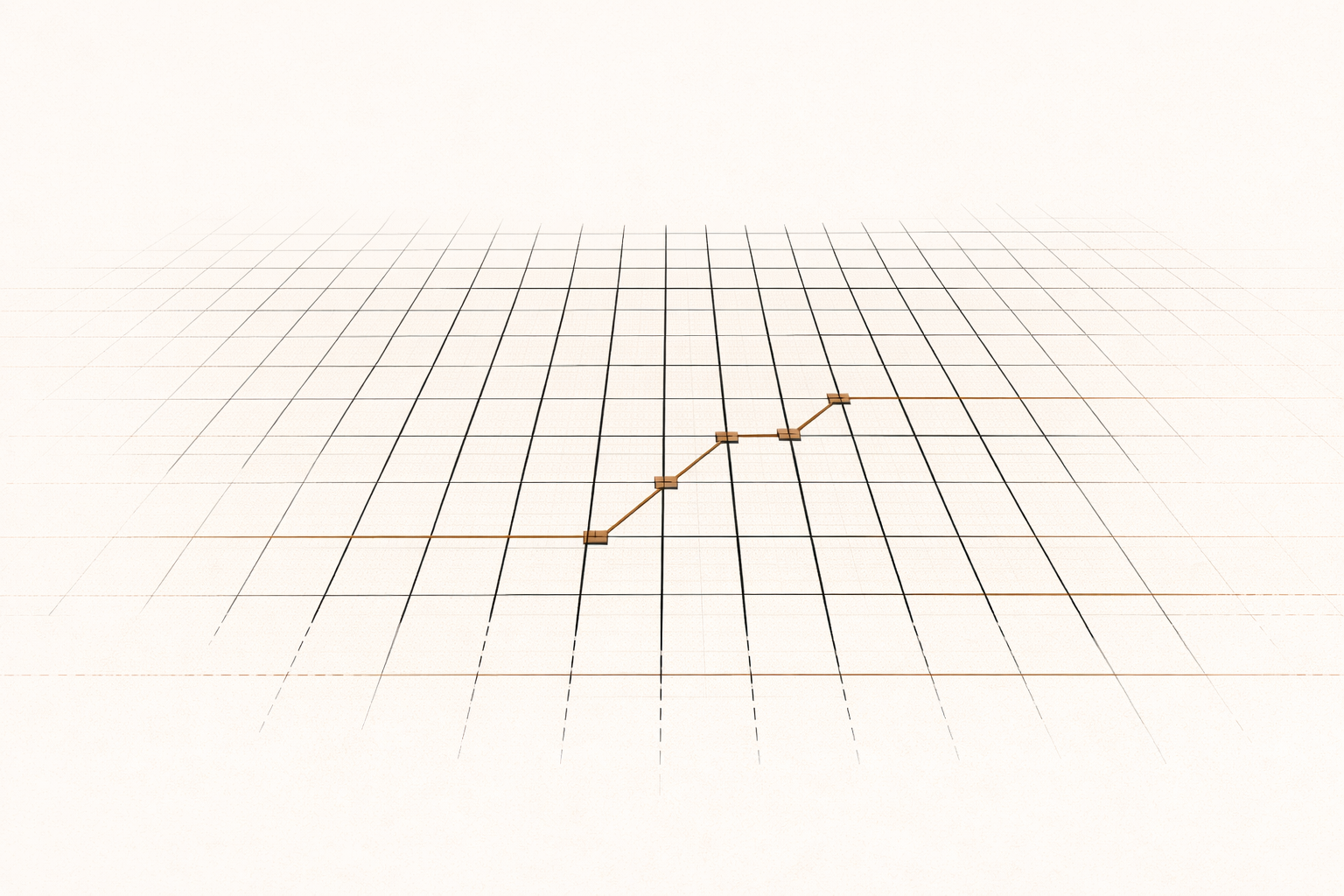
Most systems do not break suddenly. They drift.
A standard softens. A shortcut appears. A small deviation repeats.
At first the change feels harmless.
However systems respond to patterns, not intentions.
Once a deviation repeats often enough, it stops looking like a mistake.
Instead it begins to look normal.
Why Behavioral Drift Weakens Systems
Drift always begins quietly.
A process is followed most of the time. A rule is respected most of the time. Accountability appears intact.
However “most of the time” is not structure.
Structure depends on consistency.
When small deviations repeat, expectations begin to shift.
Soon the standard becomes negotiable.
Then the system begins adjusting around the deviation.
This is how drift becomes embedded.
Correction Is Structural Maintenance
Healthy systems correct early.
Correction does not require conflict. It requires clarity.
The moment drift appears, the response should be simple.
Restore the alignment.
Small corrections preserve stability.
Delayed corrections multiply damage.
This principle applies everywhere:
- personal discipline
- financial habits
- family standards
- workplace expectations
- institutional governance
Maintenance protects the structure long before failure appears.
Correct Behavioral Drift Before It Becomes Culture
The longer drift continues, the harder correction becomes.
Processes shift. Expectations soften. Accountability fades.
Eventually the deviation becomes routine.
Once routine forms, people stop noticing the change.
This is when systems begin weakening from within.
Discipline prevents that outcome.
Not through punishment.
Through steady correction.
Notice the drift.
Restore the alignment.
The structure holds.