The architecture of focus is the structure that protects attention before distraction has a chance to take over.
We often speak about focus as if it belongs only to personality. Some people seem naturally disciplined. Others believe they were not born with the ability to concentrate. That assumption is weak because it ignores the conditions around attention.
Focus rarely begins with force. It begins with design.
The environments we build, the rhythms we repeat, and the boundaries we protect quietly decide where our attention goes. Before we ever sit down to work, our systems have already started teaching the mind what matters.
Attention follows structure. When life has no structure, distraction becomes the default.
Focus Begins Before the Work Begins
Many people think focus starts when they sit down to complete something important. By then, the battle is often already crowded.
The phone is nearby. The inbox is waiting. A message needs a response. Several tabs are open. The mind is replaying unfinished tasks. The space is full of small invitations to leave the work before the work even begins.
Then comes the familiar judgment.
“I just cannot focus.”
But the real problem is often not a lack of discipline. It is the absence of thoughtful preparation.
The architecture of focus asks a better question. What has been built around this task to help attention remain steady?
That question matters because unfinished thoughts also compete for attention. Some of them come from unresolved chapters, old questions, or endings that never explained themselves. That deeper emotional layer is explored in The Wisdom of Unfinished Things, where peace begins without waiting for every answer.
Willpower Is Not the Whole System
Willpower matters, but it is not a full operating model. It is more like emergency power. Useful when pressure rises, but too expensive to use all day.
Every unnecessary decision spends attention. Every interruption forces the mind to restart. Every visible distraction asks for a small act of resistance.
Eventually, even strong people become tired.
The most focused people are not always the ones with the most heroic discipline. Often, they are the ones who have reduced the number of battles they need to fight. They do not rely on constant self-control because they have built environments that carry part of the load.
That is the quiet advantage of structure. It protects energy before effort is required.
Attention Needs Protection
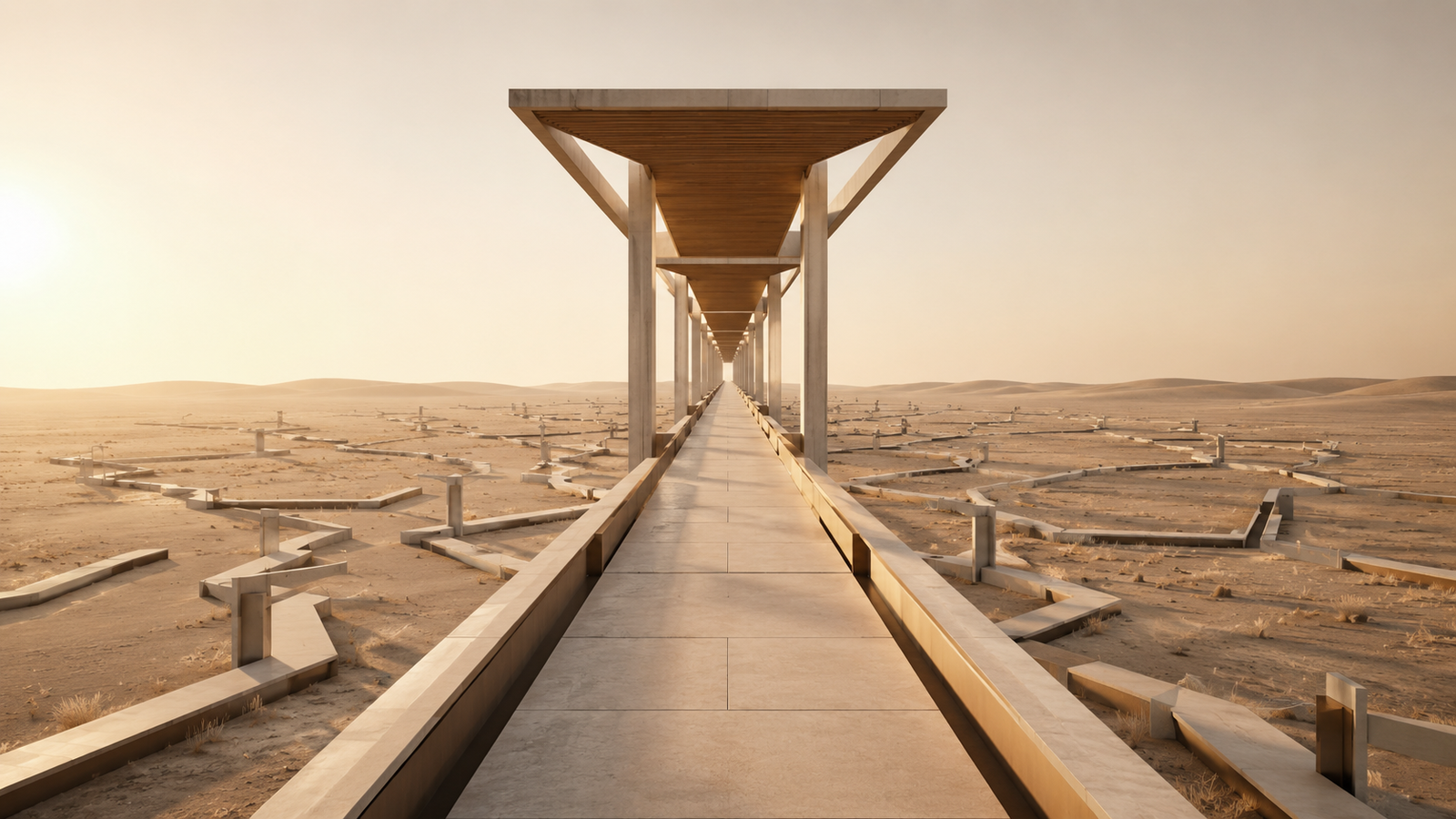
Imagine walking across a bridge suspended above a valley. The bridge remains safe because someone designed guardrails before anyone stepped onto it.
Focus works the same way.
Boundaries are the guardrails of attention. They keep small distractions from becoming major detours. Without those guardrails, attention drifts toward whatever appears next.
Eventually, a distracted day becomes a distracted life.
That is why protecting attention is not a small matter. It shapes what gets built, what gets delayed, what gets neglected, and what receives the best of us.
“When there is no enemy within, the enemies outside cannot hurt you.”
Every Environment Teaches Something
Spaces quietly educate us.
A cluttered workspace teaches scattered thinking. Constant alerts teach immediate reaction. Noise teaches divided attention. A day with no planned rhythm teaches the mind that everything is negotiable.
Meanwhile, calm environments invite deeper thought. Organized spaces reduce friction. Protected time tells the mind that not every demand deserves immediate access.
Our surroundings become silent partners in every decision we make.
This is where many people miss the point. They try to change their habits without changing the structure that feeds those habits. That is like asking a river to flow differently while leaving the channel untouched.
Change the channel, and the movement changes.
The Cost of Constant Availability
Modern life rewards immediate response. Every message feels urgent. Every update appears important. Every interruption presents itself as something that cannot wait.
Very little of it is actually urgent.
The more available we become to everything, the less available we become to the work that matters most. That is the trade. It may not announce itself, but it is always collecting payment.
Attention is finite. Each unnecessary interruption spends a portion of it. Some of that attention returns. Some of it does not. The mind may resume the task, but the original depth has already been disturbed.
Focus is not only about doing more. It is about refusing to let shallow demands keep stealing access to deeper work.
Stillness Is Part of the Structure
Stillness often looks unproductive. In truth, it is preparation.
A quiet mind notices patterns that a hurried mind overlooks. Reflection strengthens discernment. Silence creates room for wisdom. The strongest architecture always includes spaces that are intentionally empty.
Our lives need those spaces too.
Without stillness, attention becomes defensive. It scans. It braces. It reacts. It moves from one demand to the next without ever settling long enough to see clearly.
Stillness gives attention a place to return.
Stillness also teaches patience with invisible growth. Not every meaningful change announces itself right away. Some formation happens beneath the surface, long before anyone else can name it. That slow and faithful process is the heart of The Quiet Work of Becoming.
Design Your Attention Before Someone Else Does
If we do not intentionally shape our attention, something else will.
Algorithms compete for it. Advertising purchases it. Notifications interrupt it. Comparison steals it. Fear redirects it. Urgency disguises itself as importance and walks right through the front door.
The question is not whether attention will be shaped.
The question is who will be doing the shaping.
This is why the architecture of focus matters. It is not about becoming rigid. It is about becoming less available to what keeps pulling us away from what we are called to build.
One of the most subtle threats to focus is comparison. It can make a steady life feel behind, a quiet season feel wasted, and personal progress feel invisible. That distortion becomes the center of The Mirror That Lies.
Three Truths to Carry This Week
Protect what deserves your attention.
Focus grows where boundaries exist.
Design beats determination.
Strong systems reduce temptation before discipline is required.
Small structures become lasting habits.
What you repeat quietly today becomes the life you experience tomorrow.
A Quiet Practice
Before tomorrow begins, remove one unnecessary distraction from your environment.
Silence one notification. Clear one workspace. Schedule one uninterrupted hour. Protect one meaningful task before the day is opened to everyone else’s needs.
Then notice what changes when your environment begins working with you instead of against you.
A Closing Blessing
May your days become quieter without becoming smaller.
May your attention settle where your purpose lives.
May you discover that focus is not something you force into existence, but something you faithfully build, one intentional choice at a time.
The Groundwork
The architecture of focus is ultimately the architecture of a well-lived life.
Every protected moment becomes another opportunity to grow in wisdom, deepen your relationships, strengthen your work, and become fully present where you have been called to be.
Attention is one of life’s greatest gifts.
Build a life worthy of receiving it.
Continue the Journey
Receive thoughtful reflections on wisdom, discernment, purpose, and everyday growth delivered directly to your inbox.