
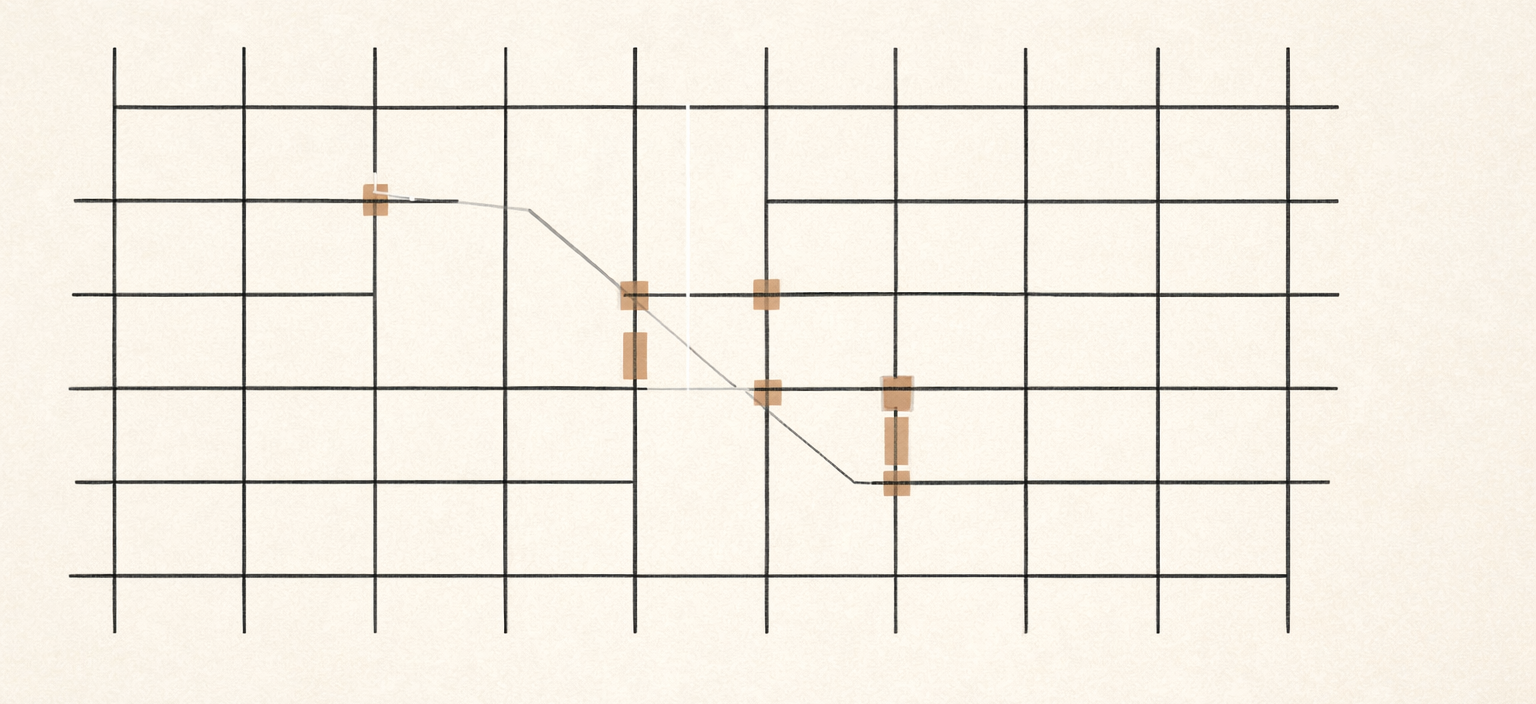
The accountability gap appears when systems lose the ability to enforce responsibility.
Healthy systems depend on accountability. When a lack of accountability appears, mistakes remain uncorrected and responsibility disappears. Accountability allows systems to acknowledge errors, correct behavior, and stay aligned with reality.
As accountability weakens, correction mechanisms disappear. Errors accumulate. Responsibility diffuses. Eventually, the system begins to drift.
This condition defines the accountability gap.
What the Accountability Gap Reveals About Stability
Many people treat accountability as punishment, but its real function is correction.
For example, engineering systems rely on inspections. Financial systems rely on audits. Software systems rely on debugging. Each mechanism detects problems early and forces adjustments before small issues grow into catastrophic failures.
Human systems work the same way.
Accountability creates the conditions where behavior can be examined, responsibility can be assigned, and improvement can take place.
Without that process, systems lose the ability to self-correct.
The Cultural Shift Away from Responsibility
In many areas of modern culture, accountability has become increasingly uncomfortable.
People often interpret criticism as hostility. They frame correction as judgment. Instead, they replace responsibility with explanation.
As a result, conversations shift away from what should change and toward who should not be blamed.
Over time, that habit erodes the mechanisms that keep systems healthy.
When responsibility disappears, correction disappears with it. The accountability gap widens.
How the Accountability Gap Damages Institutions
Systems without accountability become fragile.
Over time, problems remain unaddressed. Mistakes repeat. Leadership weakens because authority is no longer connected to responsibility.
This pattern appears in organizations, institutions, and communities. Structures may continue operating for years while the internal discipline that once sustained them slowly fades.
Failure often appears sudden, but the accountability gap usually forms long before the collapse occurs.
Our earlier article on the maintenance principle explains how healthy systems rely on correction mechanisms to maintain stability.
Restoring the Accountability Mechanism
Healthy cultures treat accountability as maintenance rather than punishment.
They encourage honest feedback. They reward responsibility. They correct mistakes before those mistakes grow.
Because of this, systems improve instead of deteriorating.
Accountability strengthens structure. The accountability gap weakens it.
Without accountability, systems drift toward disorder.
With accountability, systems remain capable of correcting themselves.
Research on institutional performance repeatedly shows that organizations with strong accountability systems outperform those without them. Analysis discussed by Harvard Business Review highlights how feedback and responsibility support long-term organizational performance.
