
Drama always wins in the attention economy. Serious people do not lose because they are wrong. Serious people lose because they are playing a different game.
Drama does not win because it is true. Instead, it wins because it fits the system. Attention economies reward what spikes emotion, not what builds understanding. Conflict moves fast. Serious thought moves slowly. It asks for patience, context, and follow through. Those qualities do not trend.
So the algorithm does exactly what it was built to do. It surfaces spectacle and buries substance. For a deeper look at how systems quietly shape behavior while people insist they are “just choosing,” see Life’s Algorithm.
Here is the part that feels personal even when it is not. Someone does the slow, grown-up thing and lays out a careful argument, receipts included and context intact. Then a louder voice swoops in, strips out the nuance, adds a little outrage seasoning, and walks away with the entire conversation. The thoughtful person is left holding the homework while the messy one leaves with all the followers. That pattern is not accidental. The system trains it.
Attention economy drama is an incentive problem, not a moral failure
This dynamic is not about who is “good” or “bad.” It is about what gets rewarded. In attention economy drama, the biggest reaction gets the biggest reach. The cleanest truth often disappears because it does not arrive with fireworks.
Serious people tend to believe quality should speak for itself. Drama knows better. Drama performs. Drama escalates. Drama simplifies. It turns complexity into sides and urgency into identity. The result is reach without responsibility.
Meanwhile, the loudest voice in the room is rarely the most accurate. It is simply the loudest. Loudness converts better than truth. That is why serious people often feel invisible. In an environment optimized for speed, seriousness looks like hesitation. Thoughtfulness reads as weakness.
Why attention economy drama is cheap and serious work is costly
Drama is cheap to produce. Evidence is optional. Tone is mandatory. Solutions slow things down. Villains move faster. Attention follows heat, not resolution.
By contrast, serious work costs more. It takes time. It takes revision. It requires holding multiple ideas without collapsing them into a slogan. That work is structurally sound, but it is not visually exciting. As a result, the system overshadows it.
Where serious people win outside the attention economy drama
This incentive structure explains why public conversation feels shallow even when the stakes are high. The system does not reward understanding. It rewards engagement, and engagement favors outrage over clarity.
As a result, fragmentation feels constant. Not because people are incapable of unity, but because unity does not perform well in spectacle markets. Cooperation stays quiet. Drama stays loud. Over time, this teaches people that being measured reduces visibility while exaggeration attracts response. Slowly, seriousness becomes a liability.
Economic conditions deepen this problem. When participation becomes unaffordable, absence grows and unity thins. Unity Is Not Suppressed. It Is Priced Out. maps that logic directly. Unity Is a Practice, Not a Feeling reinforces the same truth: practice needs conditions, and conditions have costs.
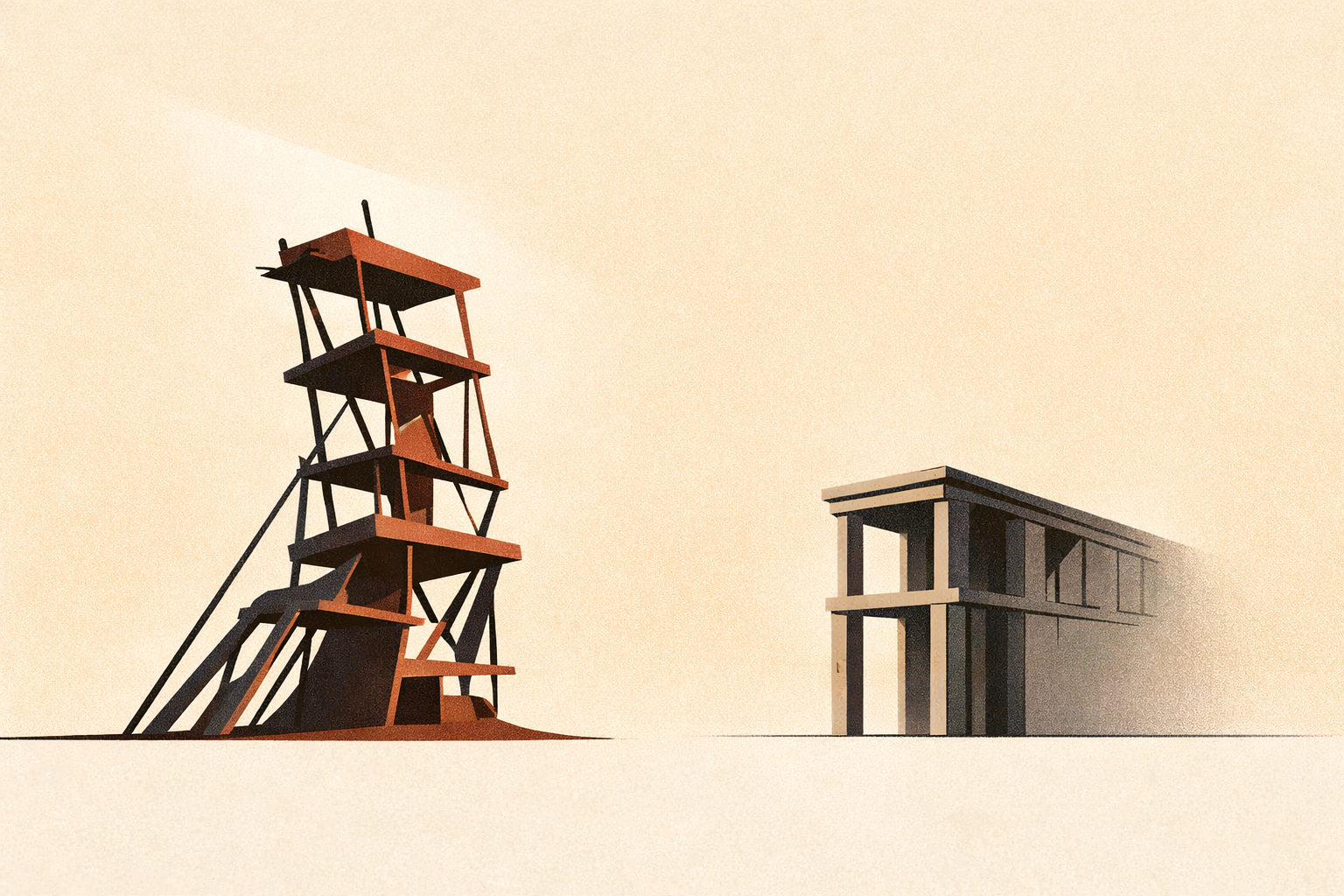
Drama will keep winning where attention is the currency. Serious people win somewhere else. Over time, they win in durability. Eventually, they win in coherence. Attention economy drama burns hot and fast. Serious work stays standing.
That approach is not glamorous. It is not viral. It lasts.
Further Groundwork
