
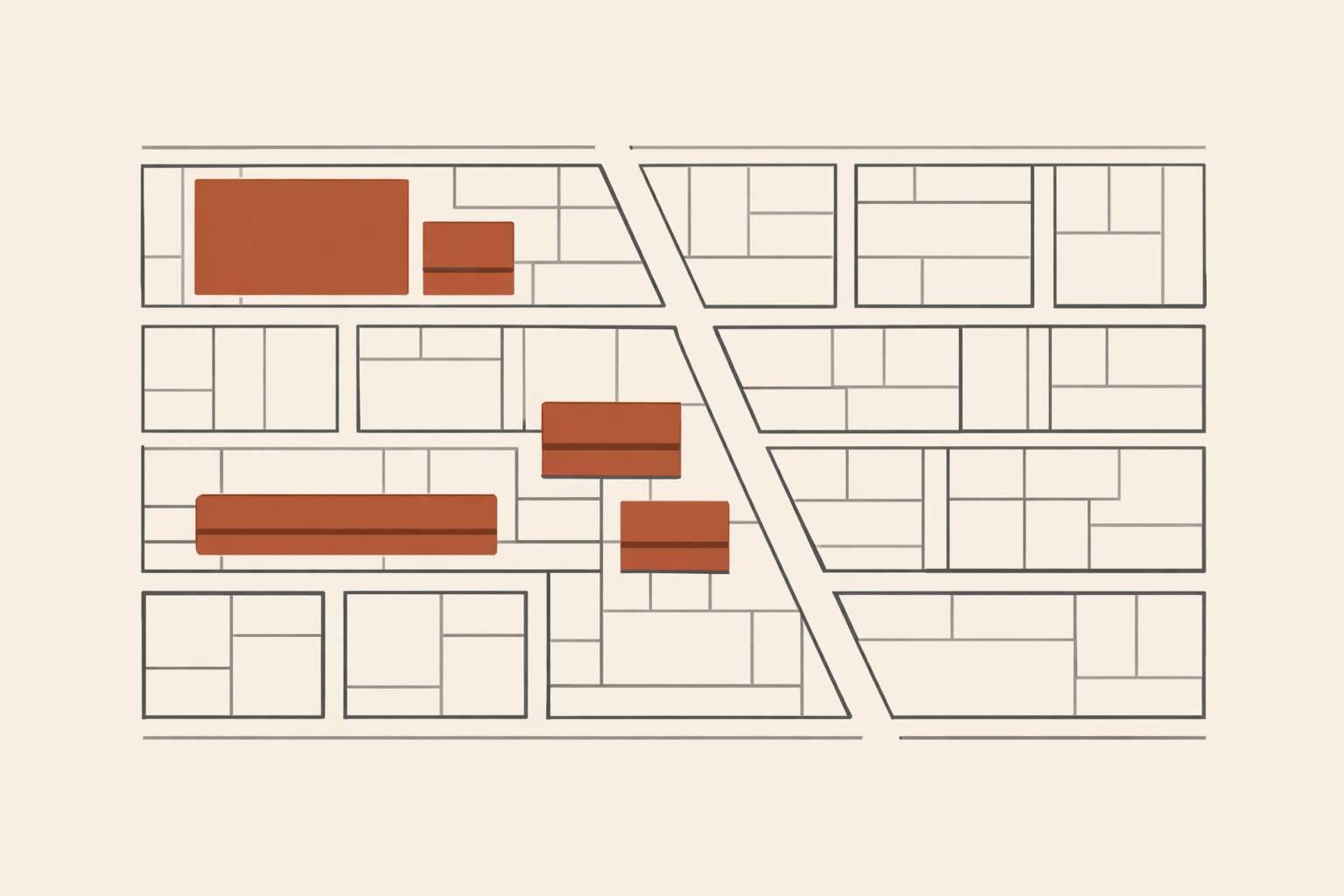
Civic budgeting priorities show up through numbers, not speeches. Every city, county, and state budget acts as a values document because it reveals what gets reinforced, what gets delayed, and what gets quietly abandoned.
Budgets do not argue. They allocate. When the dollars move, the system has spoken.
Civic budgeting priorities are allocation, not rhetoric
Public housing or policing. Parks or potholes. Arts or enforcement. Those are not talking points. They are line items. Grow funding in one place and the system usually constrains, postpones, or reshapes another place. Public finance runs on trade-offs, timing, and political appetite.
Budgets also show what leaders think creates order. Heavy enforcement spending signals a bet on control. Heavy housing, schools, and prevention spending signals a bet on stability.
Still, do not treat every allocation like a pure philosophy statement. Court mandates, federal grant rules, pension obligations, and debt payments can lock dollars into categories that look like preference but behave like gravity. That reality does not excuse weak priorities. It explains why budgets must be read like systems, not slogans.
Civic budgeting priorities: the three distinctions most people ignore
Operating budget vs. capital budget in civic budgeting priorities
The operating budget keeps the lights on: payroll, sanitation, routine maintenance, and recurring programs. The capital budget builds or replaces assets: schools, bridges, housing projects, and major equipment. Leaders can brag about “historic investment” while the operating budget quietly starves staffing, inspections, and maintenance.
One-time money vs. recurring money in civic budgeting priorities
One-time funding can generate headlines and weak outcomes. Recurring funding produces boring stability and measurable delivery. Fund a program once, then study it, then restructure it, and the system often chooses a press release over a commitment.
Restricted funds vs. discretionary funds in civic budgeting priorities
Many dollars are restricted by law or grant conditions. Discretionary dollars show values most clearly because leaders can move them. If leaders want credit, they talk about totals. If you want truth, track what is flexible and where it goes.
How to read civic budgeting priorities without getting played
Skip the press conference. Start with the categories. Compare year-over-year change and flag what grew faster than inflation. Identify what shrank. Track what leaders pushed into “one-time” spending. Then scan for quiet moves: deferred maintenance, vacant staffing lines, delayed capital projects, and program consolidation under broad headings.
- Shares: What percentage of the total budget goes to public safety, education, housing, transportation, and health?
- Shifts: What changed from last year, and what stayed locked?
- Trade-offs: What did leaders reduce to expand something else?
- Delivery: Do dollars fund direct services, contracts, or administrative overhead?
Civic budgeting priorities: the quiet signals that matter more than speeches
Vacancies reveal civic budgeting priorities
A “funded” department still fails when leaders leave positions unfilled. That is not neutral. Vacancies act as soft cuts that avoid public backlash while shrinking capacity.
Maintenance spending shows civic budgeting priorities
Deferred maintenance creates a slow crisis. It pushes costs forward, increases risk, and turns predictable repair into emergency spending. Keep maintenance lines flat year after year and the city chooses future disorder to afford present politics.
Debt and pensions shape civic budgeting priorities
Debt service and pension obligations reduce flexibility. As those costs climb, discretionary room shrinks. Leaders can promise transformation while the hard floor expands in the background. Treat long-term obligations as infrastructure, not trivia for accountants.
Voting and civic budgeting priorities
Voting is not symbolic. It is managerial selection. Citizens choose the people who fund, cut, and delay programs until they disappear. When participation drops, allocation authority concentrates among those who show up at hearings, primaries, and local elections.
Attention builds budgets. Ignore civic budgeting priorities and they still shape the city. They just stop reflecting the people who stayed silent.
Civic budgeting priorities checklist: read a city budget in 20 minutes
- Open the budget summary and identify the largest spending categories.
- Scan year-over-year changes for the top five categories.
- Separate capital from operating so “investment” does not hide weak delivery.
- Mark one-time funding versus recurring commitments.
- Check vacancy assumptions and unfilled positions.
- Review maintenance lines and “state of good repair” funding.
- Locate debt and pension costs to understand the hard floor.
- Follow procurement through contracts, vendors, and outsourced services.
FAQ on civic budgeting priorities
Why do civic budgets feel impossible to understand?
Budgets are written for compliance, not clarity. Politics also rewards complexity. Some complexity is real. Some complexity is convenient. The fix is not outrage. The fix is a repeatable reading method.
Do higher civic budgets guarantee better outcomes?
No. Spending can rise while outcomes stagnate when overhead expands, contracting swells, vacancies persist, or incentives misalign. Outcomes require capacity, accountability, and consistent execution.
What is the simplest way to spot civic budgeting priorities?
Track discretionary dollars over time. Watch what receives recurring funding. Watch what gets one-time headlines. Watch what stays unfunded but remains a constant talking point.
U.S. Census Bureau — Government Finances
Government Finance Officers Association (GFOA) — Best Practices & Resources
