
The history of free college in America is a documented reality. For much of the twentieth century, many public universities charged no tuition at all. The University of California system remained tuition free through the 1960s, and CUNY operated without tuition for more than a century. Early land grant colleges treated higher education as civic infrastructure, a public investment intended to strengthen national capacity.
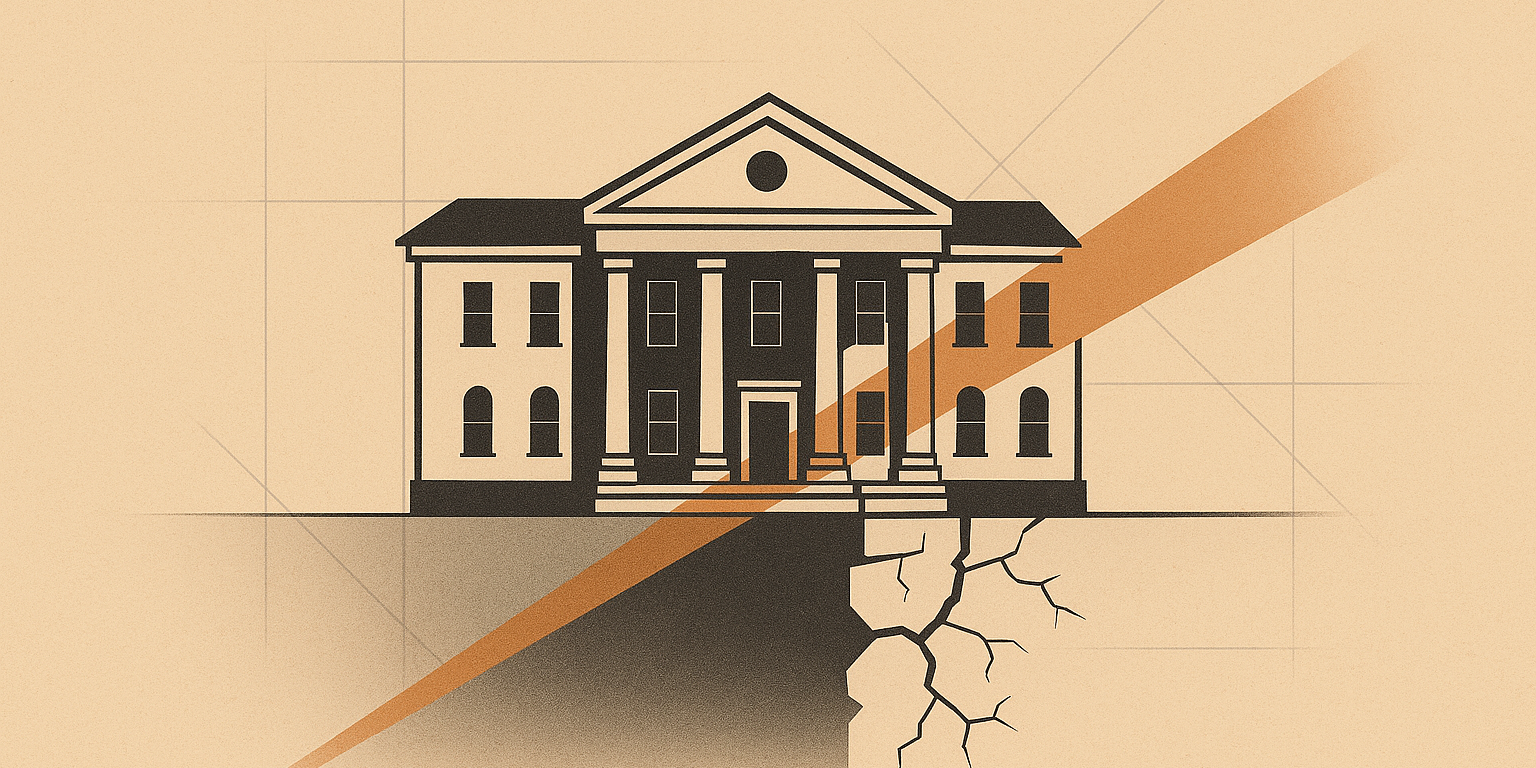
How the History of Free College in America Shifted
The turning point arrived when access widened. Between the late 1960s and mid 1970s, public institutions shifted from selective education to mass education. Enrollment increased sharply, state budgets tightened, and admissions policies diversified. With the beneficiary pool expanding, legislators began reconsidering whether higher education should remain publicly guaranteed or move toward cost sharing models.
New York City demonstrates this shift clearly. In 1976, during a fiscal crisis and amid rising enrollment, CUNY ended its long standing tradition of free tuition. The decision aligned with a wider national pivot. Higher education was reframed as a private investment rather than a universally supported public good. States across the country reduced appropriations, and institutions increasingly passed costs to students.
A Structural Reframing, Not an Emotional Narrative
These changes were structural. Economists describe the period as a transition from public provision to private cost recovery. Sociologists note that universal subsidy often weakens when the demographic profile of beneficiaries broadens, especially during periods of fiscal constraint. By the 1980s, higher education functioned as a market priced service supported by student loans rather than public funding.
Why This History Matters for Today’s Policy Decisions
The Department of Education’s recent reclassification of professional degrees echoes questions embedded in the history of free college in America. When access grows, does public commitment shrink. If the United States requires strong pipelines for educators, nurses, and allied health professionals, financing models must reflect that need.
The past shows that when the purpose of higher education changed, the funding structure changed with it. Understanding this trajectory is essential for evaluating today’s decisions about who pays, who benefits, and how the country sustains critical public service professions.
Further Groundwork
