Is viral content actually valuable? Sometimes. But the number of people who saw something tells us far less than we often pretend it does.
A video gets ten million views. A post is shared everywhere. Suddenly, it feels important.
Maybe it is.
Or maybe a lot of people simply stopped long enough to look.
That is the problem with using virality as a shortcut for value. The two things overlap sometimes, but they measure different outcomes.
Virality tells us that content traveled. Value asks what happened because it traveled.
Reach tells you how many people arrived. Value begins with what remained after they left.

The Groundwork Position
Viral content can be valuable. But virality itself is evidence of distribution, not proof of usefulness, truth, trust, impact, or durability.
Attention Economy Cluster
This article looks at what happens after attention arrives. For the broader system, start with the Attention Economy Framework. To understand how digital systems shape visibility, continue to How Algorithms Control What You See.
Is Viral Content Actually Valuable or Just Visible?
The confusion makes sense because visibility is easy to see.
Views sit underneath the video. Likes appear beside the post. Shares rise in real time.
Those numbers give us something concrete to point to.
Value is messier.
Value Usually Shows Up Later
Did somebody remember the idea tomorrow?
Did the content explain something clearly?
Did it help someone make a better decision?
Did people trust the source more afterward?
Did the audience return?
Did anyone actually use what they learned?
Those questions cannot always be answered five minutes after publication.
As a result, the easiest metric to see can become the easiest metric to overvalue.
What Makes Viral Content Actually Valuable?
Value begins after exposure.
Once people have seen the content, something useful has to remain.
Useful Content Gives the Audience Something
Sometimes that is knowledge.
In other cases, it might be a laugh, a new perspective, a useful skill, an emotional connection, or a better question.
Good journalism can clarify. Good teaching can make something easier to understand. Good art can change how someone sees an experience.
Value is broader than instruction.
The point is that the audience leaves with something other than evidence that they spent a few seconds looking.
Durable Content Keeps Working
Strong content may also survive beyond its first wave of attention.
People save it. They search for it later. They send it to someone when the subject comes up.
Eventually, the content becomes part of a larger body of useful work rather than a moment the internet briefly noticed.
That kind of value can exist with ten thousand views or ten million.
The Groundwork Viral Content Value Ladder
A better way to judge content is to look beyond reach and ask what happens next.
Groundwork Value Ladder
Reach → Retention → Transfer → Durability
Reach: Did people encounter it?
Retention: Did enough of the idea stay with them to matter later?
Transfer: Did the content create understanding, action, trust, connection, skill, conversation, or another useful outcome?
Durability: Does the value remain after the attention spike is over?
Virality is extremely good at showing us the first level.
It tells us much less about the next three.
That is why a viral moment can be impressive without necessarily being important.
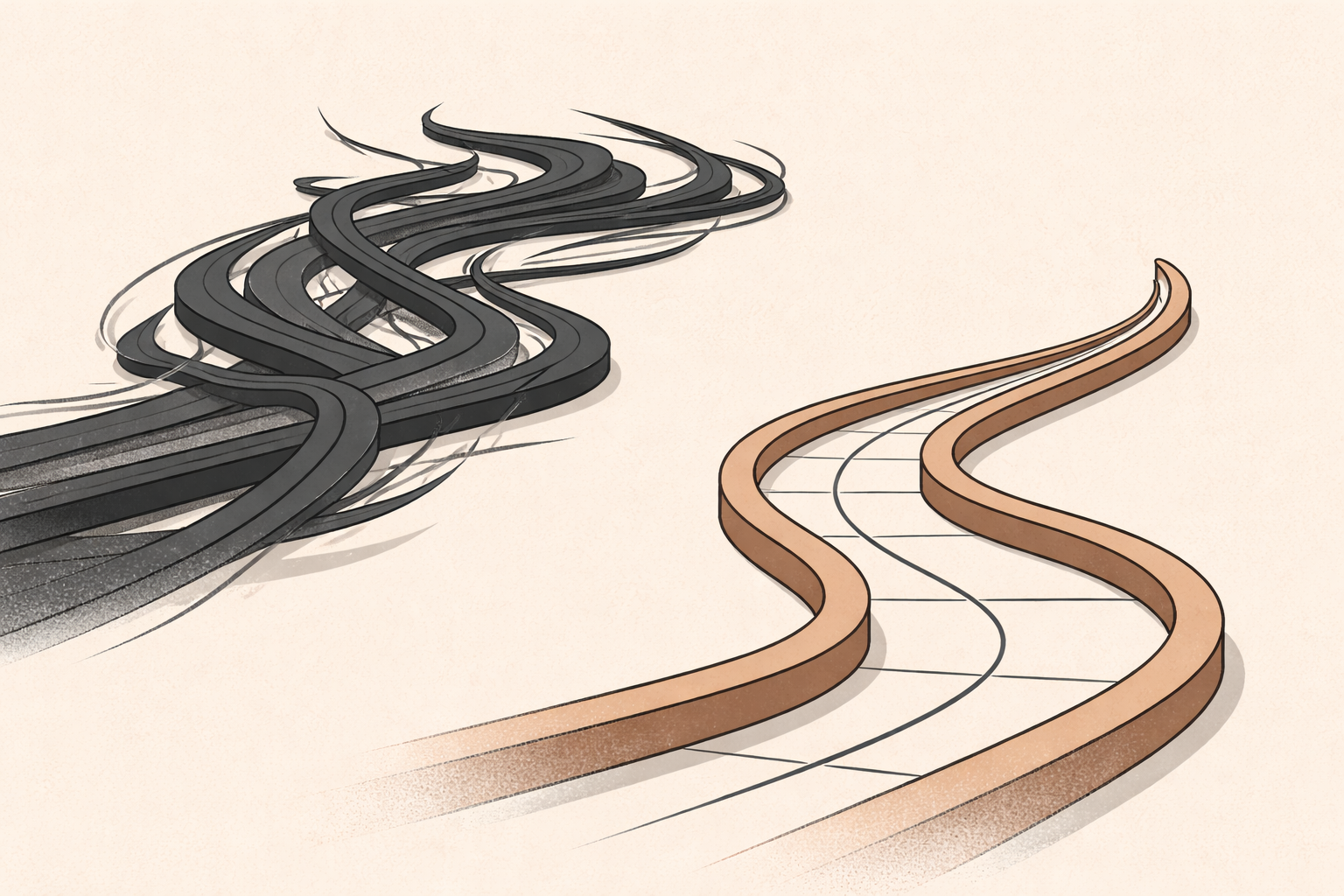
Why Viral Content Feels More Important Than It May Be
Large numbers are persuasive.
When millions of people have watched something, the number itself begins to feel like evidence.
It can become a form of social proof: this many people are looking, so there must be something here.
Sometimes that instinct is useful.
Other times, it simply tells us that a lot of other people were also curious.
Popularity Can Become a Shortcut for Judgment
Once something becomes visibly popular, harder questions can disappear.
Is it accurate?
Is it actually useful?
Is the claim representative?
Is the source trustworthy?
Will any of this matter next month?
Those questions require judgment.
A view counter does not.
Easy Measurements Can Crowd Out Better Ones
Views are immediate. Trust is slow.
Likes are visible. Learning is harder to observe.
Shares happen quickly. Reputation accumulates over time.
The problem begins when the easiest thing to measure becomes the definition of success.
What Viral Content Means for Builders, Brands, and Institutions
A viral moment can be useful.
It can open a door that might otherwise have taken years to reach.
But a door opening is not the same as having somewhere worth inviting people into.
Reach Without Return Is Temporary Exposure
Imagine a million people discover a publication today.
If almost nobody remembers it tomorrow, the publication still gained reach.
What it did not necessarily gain was an audience.
Attention Without Trust Is Fragile
People can notice a brand without trusting it.
They can share an article without remembering who published it.
A joke can become famous while the creator remains invisible.
Attention is useful, but something has to convert that attention into a stronger relationship.
Distribution Needs Somewhere to Land
That destination might be a website, an archive, a product, a newsletter, a service, a community, or simply a body of work worth exploring.
When the destination is weak, virality can become a short burst of traffic.
Viral attention becomes more valuable when the structure behind it is ready to receive the people who arrive.
What Research Says About Why Content Goes Viral
Research supports a more nuanced view of virality than the simple idea that negative or low-quality content always wins.
Arousal and Usefulness Can Both Matter
Berger and Milkman’s research on widely shared New York Times articles found that social transmission was connected to the emotions content produced.
High-arousal emotions such as awe, anger, and anxiety were associated with greater sharing, while low-arousal sadness was associated with less.
Their analysis also found that interesting and practically useful content was positively linked to virality.
In other words, useful content is not structurally doomed to lose.
Readers can review the original Journal of Marketing Research study for the underlying analysis.
Negative Language Can Increase Clicking in News
Separate research published in Nature Human Behaviour examined more than 105,000 headline variations across hundreds of millions of impressions.
The study found that negative words in news headlines increased click-through rates.
That finding helps explain one part of the attention system, but it should not be turned into the claim that all viral content is negative.
Readers can review Negativity Drives Online News Consumption for the study and methodology.
The Is Viral Content Actually Valuable Groundwork Test
When a piece of content explodes, enjoy the reach.
Then ask the harder questions.
The Viral Content Value Test
Reach: How far did it travel?
Retention: What will people still remember later?
Transfer: What did the audience actually gain?
Trust: Did the content strengthen credibility or only attract attention?
Next Action: Did the attention lead anywhere useful?
Durability: Does anything worthwhile remain after the spike?
The first question tells you about distribution.
The others begin telling you whether the distribution built anything.
Viral Content Also Tests Your Attention
The problem does not belong only to creators.
Audiences face the same confusion.
Trending topics, huge view counts, reposts, and recommendation badges all suggest that something deserves attention because many other people are already giving it attention.
Sometimes that is a useful signal.
It should not become the entire decision.
Learning to separate popularity from usefulness is part of taking control of your attention.
Visibility is information. It is not an instruction.
Frequently Asked Questions About Whether Viral Content Is Valuable
Is viral content actually valuable?
It can be. Virality proves that content achieved unusual distribution, but stronger evidence of value includes usefulness, retention, trust, meaningful action, and durability after the attention spike.
Is viral content always low quality?
No. Journalism, education, entertainment, art, public-interest information, and other useful content can all become viral. Reach and quality are separate measurements.
Why do people mistake virality for importance?
Viral metrics are visible, immediate, and easy to compare. Large numbers can therefore create social proof even when they reveal little about usefulness or long-term significance.
What makes content valuable?
Valuable content leaves the audience with something worthwhile, such as understanding, knowledge, entertainment, trust, connection, skill, perspective, or meaningful action.
Why does some content go viral?
Virality can be influenced by emotion, usefulness, interest, novelty, identity, social relevance, and distribution. Research suggests high-arousal emotions can increase sharing, while useful and interesting content can also spread widely.
Should creators try to make content go viral?
Reach is worth pursuing, but virality should not be the only objective. A stronger strategy creates content worth distributing and builds somewhere useful for the resulting attention to go.
The Groundwork
Do Not Confuse the Signal With the Substance
Viral content is not automatically shallow.
Small content is not automatically meaningful.
Reach is useful.
So is substance.
The strongest work does not have to choose between them.
Virality tells you that attention arrived. Value tells you whether anything worth keeping remained after it left.
Great content can travel and teach.
It can attract attention and still respect the audience.
It can create the spike and survive beyond it.
Do not build only for the moment everybody is looking. Build something worth finding when they come back.