Designing mental margin is how disciplined minds recover without regression. Rather than relying on rest as escape or motivation after collapse, margin is built into the system before pressure arrives.
When attention fails under stress, effort is rarely the problem. Instead, the system often lacks buffer. Mental margin is the space that absorbs load so the core can hold its shape.
This principle builds directly on earlier foundations established in Mind as Discipline: Mental Control Is Structural, where order precedes clarity, not the other way around.
Designing Mental Margin as a Discipline Practice
Mental margin refers to the intentional space between demand and capacity. In disciplined cognitive systems, that space is engineered on purpose rather than discovered after failure.
Because pressure is not an exception, margin cannot be optional. It determines whether recovery restores function or forces a restart.
Why Mental Margin Fails When Systems Are Underspecified
Under pressure, patterns reveal themselves.
As load increases, attention narrows. Decision quality declines. Reaction replaces intention. This sequence is predictable when systems are underspecified and boundaries are unclear.
Cognitive load research consistently shows that performance deteriorates when demands exceed available processing capacity (source).
This breakdown mirrors what occurs when attention is treated as a feeling rather than a gate, a distinction explored earlier in Mind as Discipline: Attention Is a Gate, Not a Feeling.
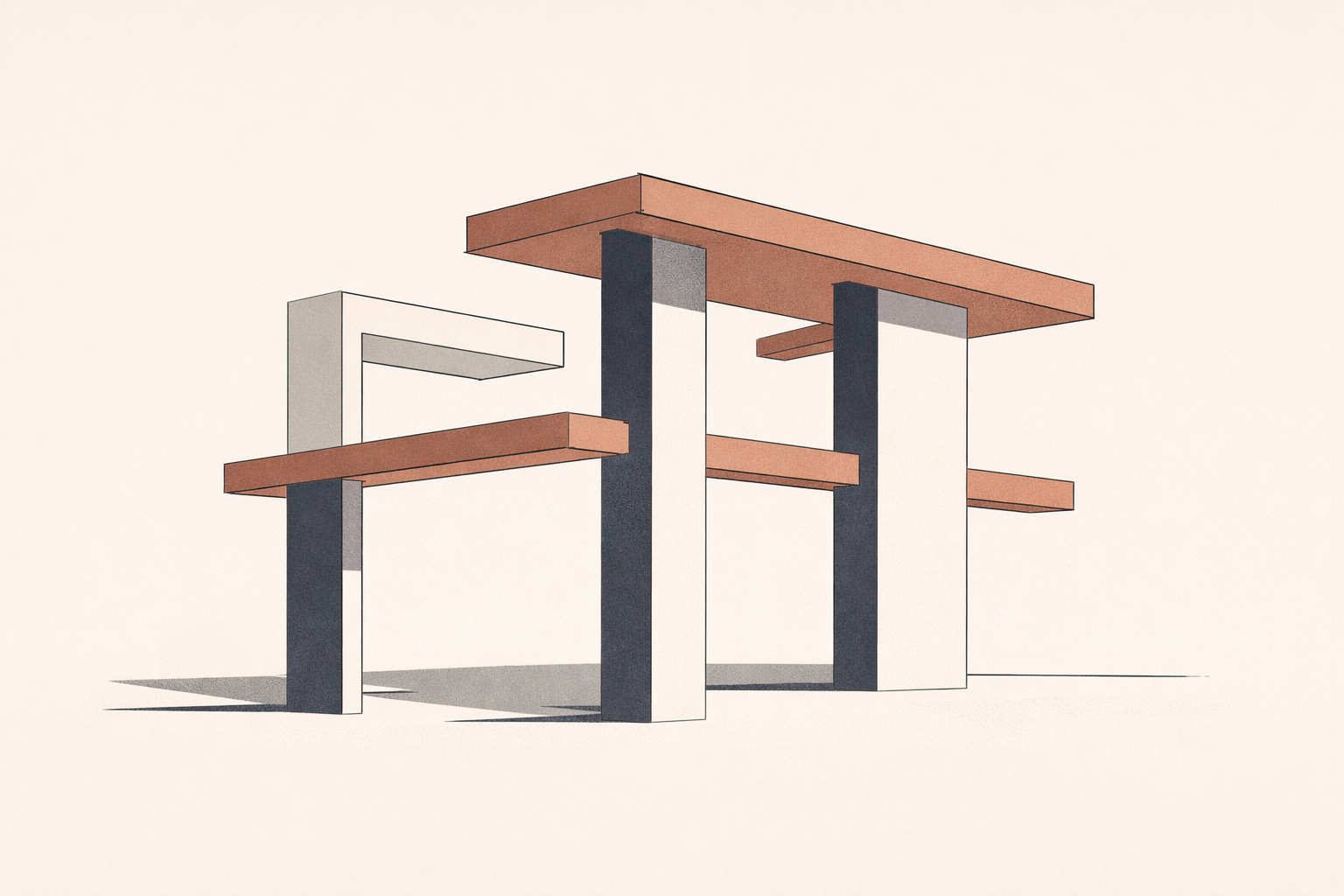
Mental Margin Is Capacity, Not Rest
That distinction changes how recovery is understood.
Rest is a behavior. Mental margin is a property of the system.
A disciplined cognitive system includes capacity beyond immediate demand. It anticipates fluctuation instead of reacting to overload.
- Time buffers between decisions
- Reduced input during recovery windows
- Clear boundaries around attention access
- Low-load zones for recalibration
With these structures in place, recovery does not require collapse. Instead, function resumes without regression or loss of orientation.
How Mental Margin Extends the Mind as Discipline Framework
Seen this way, margin becomes a structural requirement rather than a personal preference.
Mental control establishes order. Attention gates access. Stress exposes weakness. Mental margin determines whether the system bends or breaks.
Without margin, discipline becomes brittle. With margin, discipline becomes resilient.
To understand how mental margin enables recovery, revisit the earlier foundations in the Mind as Discipline series:
- Mind as Discipline: Mental Control Is Structural
- Mind as Discipline: Attention Is a Gate, Not a Feeling
- Mind as Discipline: When Attention Breaks Under Stress
These pieces establish the structure that mental margin protects.