
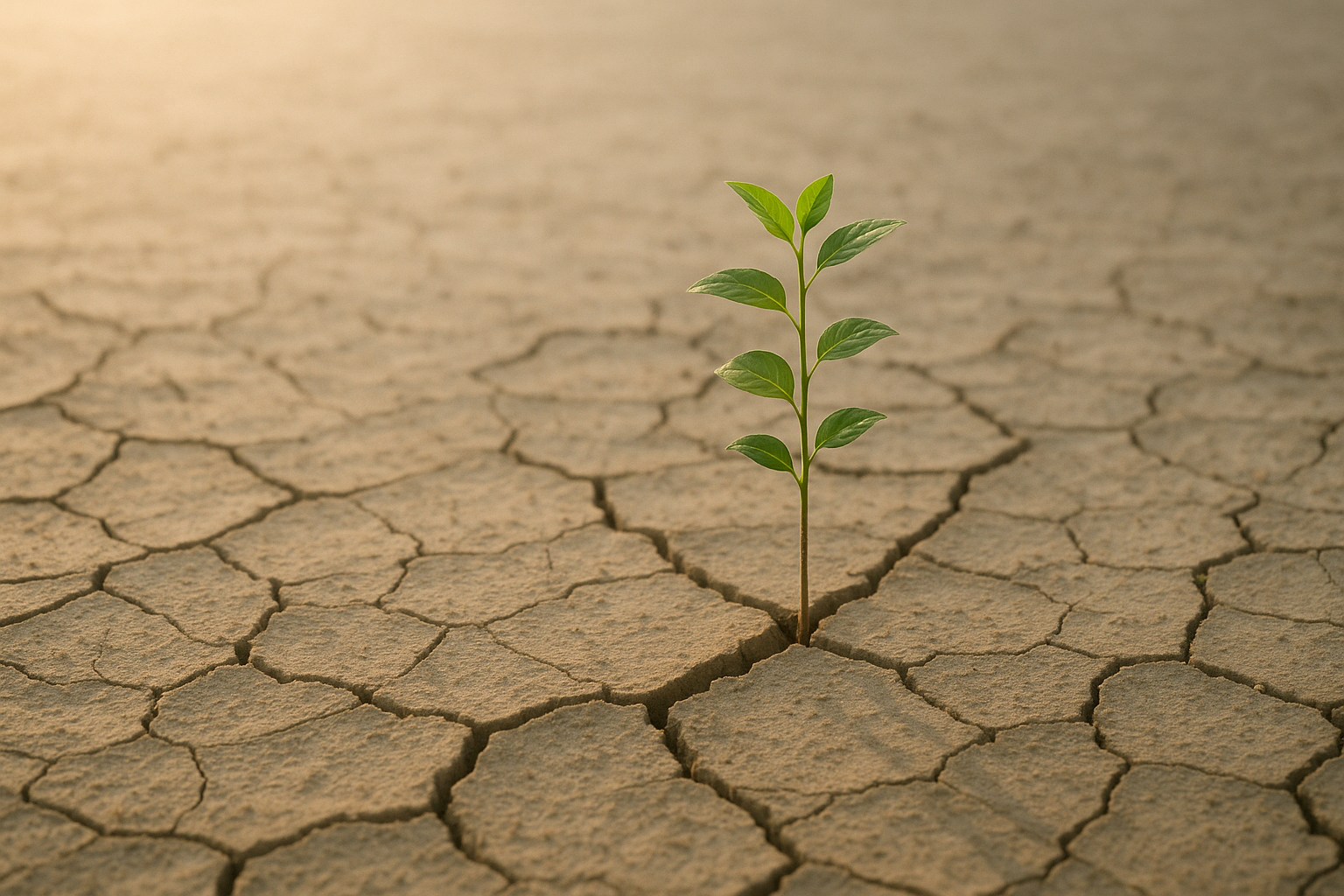
Patience builds permanence because lasting growth needs more than effort. It needs sequence, structure, and time.
That sounds simple. However, most people still treat patience like delay. They confuse it with standing still. They assume it means waiting for life to change while they do nothing.
That is weak thinking.
Patience is not passive. Patience is disciplined movement without panic. It is the ability to keep working while the result is still underground. It is the strength to respect the process before the proof becomes visible.
In This Pillar
Why Patience Builds Permanence
Patience builds permanence by protecting the order of growth.
Anything meaningful has a sequence. Roots come before height. Practice comes before mastery. Trust comes before intimacy. Savings come before leverage. Repair comes before restoration.
When the sequence is respected, the structure gets stronger. As a result, the outcome has something to stand on.
However, when the sequence is ignored, the outcome may still appear. It just cannot hold much weight.
This is why shortcuts are so dangerous. They do not always fail immediately. Sometimes they work just long enough to fool you. Then pressure comes. Then the weak joints show. Then the structure starts talking back.
Fast results can impress people. Still, permanence requires a deeper standard.
Rushing Breaks the Sequence
Rushing feels productive because it creates motion. Yet motion is not the same as construction.
When people rush, they usually skip the quiet work. They skip planning. They skip repetition. They skip the boring checks that prevent collapse later.
Therefore, rushing often creates the appearance of progress while quietly weakening the foundation.
You can see this in relationships. People rush closeness before they build trust. They rush labels before they learn patterns. They rush commitment before they understand capacity. Then, once pressure arrives, the relationship has emotion but no structure.
You can also see it in money. People rush lifestyle before they build margin. They rush investment before they build emergency reserves. They rush image before they build control. Eventually, the numbers expose the truth.
In both cases, the issue is not desire. The issue is disorder.
Further Groundwork:
For a deeper look at how order creates freedom, read Structure Builds Freedom.
A Real-World Example of Patience and Structure
Consider physical training.
A person who wants quick results may lift too heavy, train without recovery, ignore form, and chase visible change. At first, this can look like discipline. The effort is loud. The sweat is real. The urgency feels convincing.
But eventually, the body responds to the disorder. Pain shows up. Form breaks down. Progress stalls. Sometimes injury forces a full reset.
Now compare that with the slow builder.
The slow builder learns the movement first. Then they add weight. They repeat the basics. They recover. They track progress. They improve in small increments. Nothing about it looks dramatic from the outside.
However, over time, the body adapts. Strength becomes real because the system was respected.
That is the lesson. Patience and structure do not weaken ambition. They protect it from collapse.
Receipts:
For a practical overview of physical activity, consistency, and long-term health, review the CDC physical activity basics.
Building for Depth Instead of Speed
Depth is rarely visible early.
That is why many people abandon it. They want proof before the process has had time to produce any. So they change plans too quickly. They switch lanes too often. They call the work ineffective before they have given it enough repetition to speak.
Meanwhile, lasting growth through discipline usually looks quiet. It looks like showing up when the excitement fades. It looks like making the same wise choice again. It looks like correcting the small thing before it becomes the large thing.
More importantly, it looks like staying with the work after the applause disappears.
This is the part people miss. Patience does not ask you to move slowly forever. Instead, it asks you to build deep enough that speed will not destroy you later.
Because once the foundation is strong, movement can accelerate safely.
The Groundwork
Patience builds permanence when effort becomes rhythm.
So, the question is not whether the process takes time. It will. The better question is whether the work is being done in the right order.
Are you rushing because the opportunity requires speed, or because your ego wants proof?
Are you moving with urgency, or are you avoiding the discomfort of repetition?
Are you building something that can hold pressure, or something that only looks good from a distance?
Those questions matter because every foundation gets tested. Eventually, the thing you built has to carry weight.
Therefore, do not confuse slow with stuck. Sometimes slow is the structure forming. Sometimes delay is the root system reaching deeper. Sometimes the work looks invisible because it is becoming permanent.
What lasts is not rushed. It is refined.
Build with patience. Repeat the right things. Respect the sequence. Let the roots do their work.
That is how patience builds permanence.
