Who keeps paying after system failure is not a rhetorical question. It is a map of power.
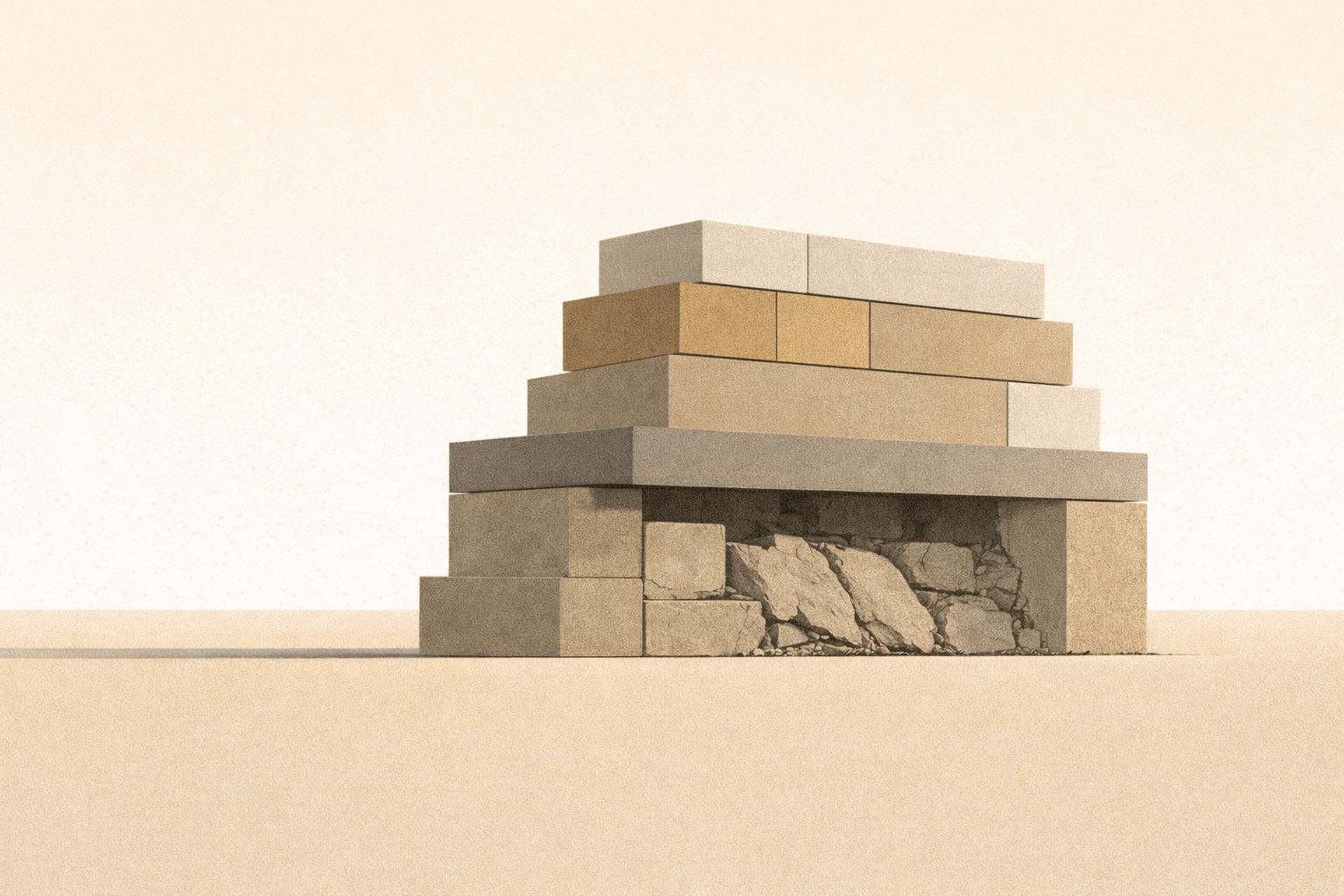
Systems do not end when they break. They continue through someone. Work still gets done. Bills still get covered. Children still get raised. The structure survives because the same foundation absorbs the shock.
Who Keeps Paying After System Failure
After failure, leadership often changes the story before it changes the system. Blame moves. Benefit settles. Meanwhile, the costs remain active. They land on the people least able to refuse them.
In institutions, this looks like frontline staff carrying new rules, reduced resources, and higher expectations. In cities, it looks like delayed repairs becoming daily inconvenience. In families, it looks like one person carrying the emotional and financial load because collapse would cost more.
The system calls this resilience. It calls it adaptation. It calls it teamwork. However, the reality is simpler. Someone keeps paying so others can avoid paying.
Over time, this creates a second failure. The first failure breaks the structure. The second failure breaks the people holding it up. Burnout rises. Turnover accelerates. Trust thins. Eventually, the foundation stops absorbing shock. It starts to crack.
Discipline matters because discipline forces clarity. Discipline asks who owns the outcome. Discipline refuses hidden transfers of burden. That logic sits at the center of Discipline Before Dollars.
External research supports this pattern. The Brookings Institution highlights how accountability gaps weaken institutions over time. When responsibility never settles, stability becomes fragile and expensive.
Power and price remain linked after failure. The only question is whether the system pays honestly or continues to extract quietly from the same base.
The Bottom Line
The people who keep paying are the people doing the holding.
If a system depends on their endurance, it is not stable. It is deferred.