Every foundation needs maintenance.
Civic engagement discipline begins the morning after election night. It is the difference between a vote and a functioning system. Elections allocate power. Participation determines how that power behaves.
Campaigns are designed to create urgency. Governance is designed to move slowly. That gap is where public attention often disappears. The signs come quickly. Yard signs come down. News alerts shift. People return to work, school, errands, and bills. Meanwhile, the public meetings continue. The budget hearings continue. The contracts, appointments, zoning decisions, school board votes, and agency rules keep moving.
 That is the real civic test. Not whether people care when the race is loud. Whether people stay present when the work becomes administrative. Democracy is not only the vote. It is the maintenance schedule that follows it.
Civic Engagement Discipline in Practice
Civic engagement discipline is the habit of staying present beyond the moment of excitement. It means tracking the decisions made after candidates become officeholders. It means knowing when a city council vote is scheduled, when a school board is reviewing policy, when a budget is open for public comment, and when a local agency is changing rules that affect daily life.
The ballot is an entry point. The system still requires follow-through.
The Participation Drop-Off Problem
Participation usually concentrates around visible moments. Presidential elections draw attention because the stakes feel national and the media cycle is constant. Local elections, budget meetings, board hearings, and public comment periods receive far less attention, even though they often shape the conditions closest to home.
This is not just an awareness problem. It is an infrastructure problem. Most people are not taught how local power moves. They know how to vote. They do not always know where decisions go after the vote. That gap creates space for organized interests, repeat attendees, and narrow coalitions to have outsized influence.
When most people leave the room, the room still makes decisions.
Scenario One: The School Board Decision
A community votes for candidates who promise better student support, safer buildings, and more practical learning options. The election ends. Months later, the school board reviews a budget that affects after-school programming, mental health staffing, building repairs, and curriculum priorities.
If parents, students, teachers, and residents do not attend, watch, or submit comments, the decision still moves forward. The outcome may technically reflect public process, but the public process will only reflect who stayed engaged. That is how a community can vote for one direction and still lose influence during implementation.
The lesson is direct. Voting sets the mandate. Follow-up protects the mandate.
Scenario Two: The Zoning Hearing
A neighborhood wants affordability, safety, and local business stability. Then a zoning hearing appears on the calendar. The language is technical. The meeting time is inconvenient. The notice is easy to miss. A proposed development may affect traffic, rent pressure, parking, street-level business, or public space.
If only developers, consultants, and a handful of regular attendees show up, the record becomes narrow. Officials can say the process was open. That may be true. But openness is not the same as participation.
Civic engagement discipline means learning enough to show up before the decision is final. It does not require becoming an expert. It requires refusing to be absent from the moments that shape the block.
Scenario Three: The City Budget
Budgets are moral documents, but they are also operating systems. They decide what gets staffed, repaired, expanded, delayed, or ignored. A community may demand safety, youth programs, cleaner streets, better housing enforcement, library hours, or workforce training. Those priorities must eventually appear somewhere in the numbers.
When residents only engage during campaign season, budget choices can drift away from campaign promises. When residents track the budget, ask plain questions, and compare spending to stated values, accountability becomes harder to avoid.
That is not spectacle. That is governance pressure.
Related Reading: Structure Builds Freedom.
Mechanism: How Accountability Actually Works
Accountability is not a mood. It is a sequence. The sequence is simple, but it must be repeated.
- Track the public calendar after Election Day.
- Read agendas before major votes.
- Contact representatives before decisions are finalized.
- Attend local meetings when the issue affects your household, block, school, or workplace.
- Submit public comments when attendance is not possible.
- Compare campaign promises against budget and policy action.
None of this is glamorous. That is why it matters. Systems respond to repeated pressure. Occasional outrage rarely changes the operating model.
Post Election Civic Engagement Is Leverage
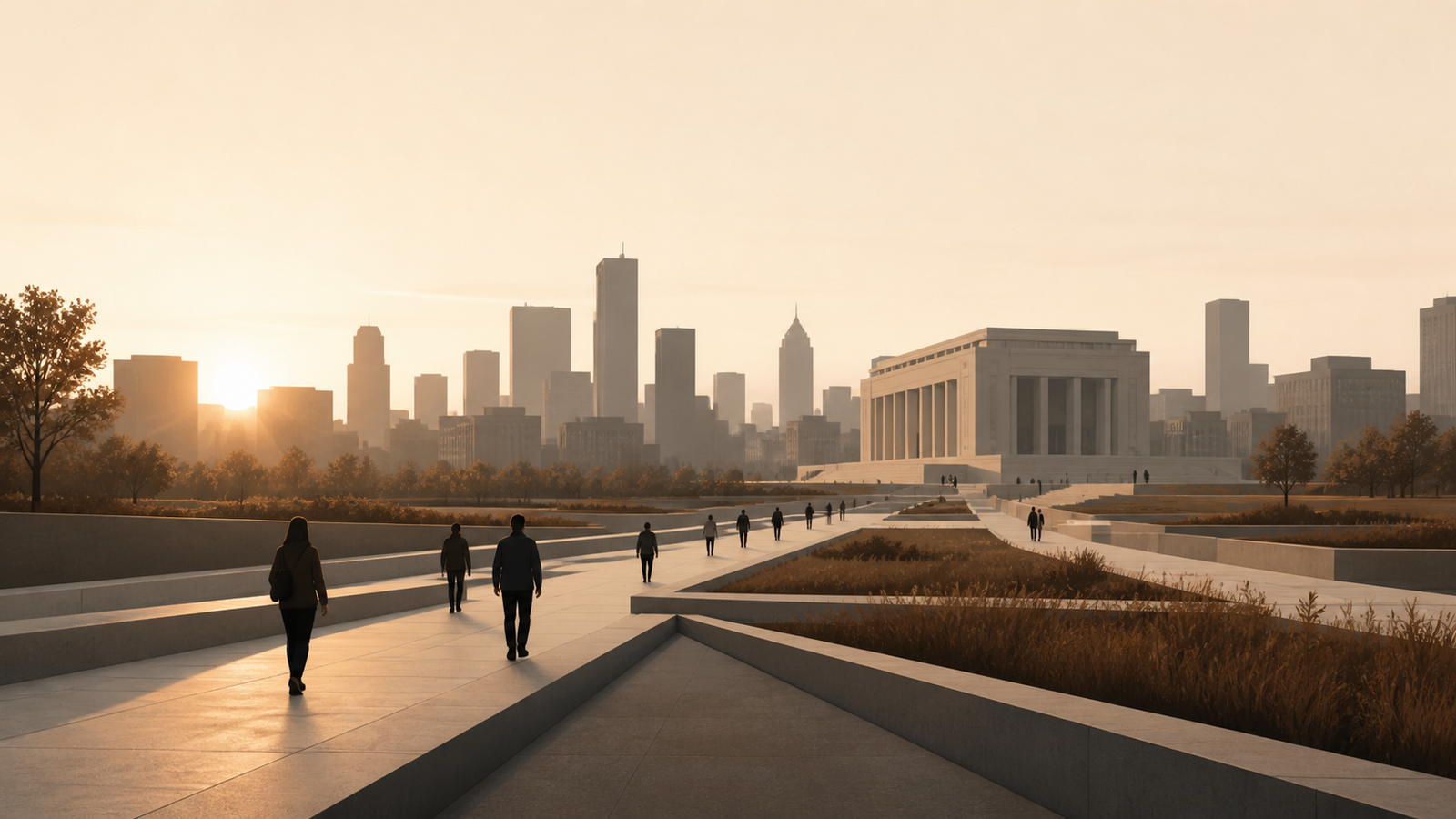
Post election civic engagement gives a community leverage because it keeps public attention attached to public power. Officials notice who is organized. Agencies notice who responds. Boards notice who keeps showing up. Silence becomes data too. When people disappear after voting, institutions learn that attention can be waited out.
This is why civic participation accountability matters. The work after Election Day is not extra. It is the part that determines whether the vote becomes policy, service, protection, repair, or another promise left floating in public memory.
Implication: What Happens Without It
Without sustained engagement, the system defaults to inertia. Policies remain unexamined. Budgets pass with limited scrutiny. Public trust declines because outcomes feel disconnected from participation.
That disconnect is dangerous. People begin to believe nothing changes. Sometimes the sharper truth is that the change process kept moving while attention moved elsewhere.
Democracy beyond voting requires rhythm. A vote is a signal. A meeting is pressure. A public comment is documentation. A follow-up email is a record. A coalition is leverage. A calendar reminder is infrastructure.
Progress is not a moment. It is maintenance. What we build within becomes what we sustain together.
Related Reading: Discipline Before Dollars.
For broader public opinion and civic participation research, see the Pew Research Center.
The Groundwork
This System Updates entry reframes civic participation as infrastructure. Election Day matters, but it is not the finish line. Real accountability lives in the repeated actions that follow the vote.
Civic engagement discipline turns attention into structure. It keeps public power connected to public responsibility. It reminds every community that the work does not end when the results are called. The work continues when the room gets quiet.