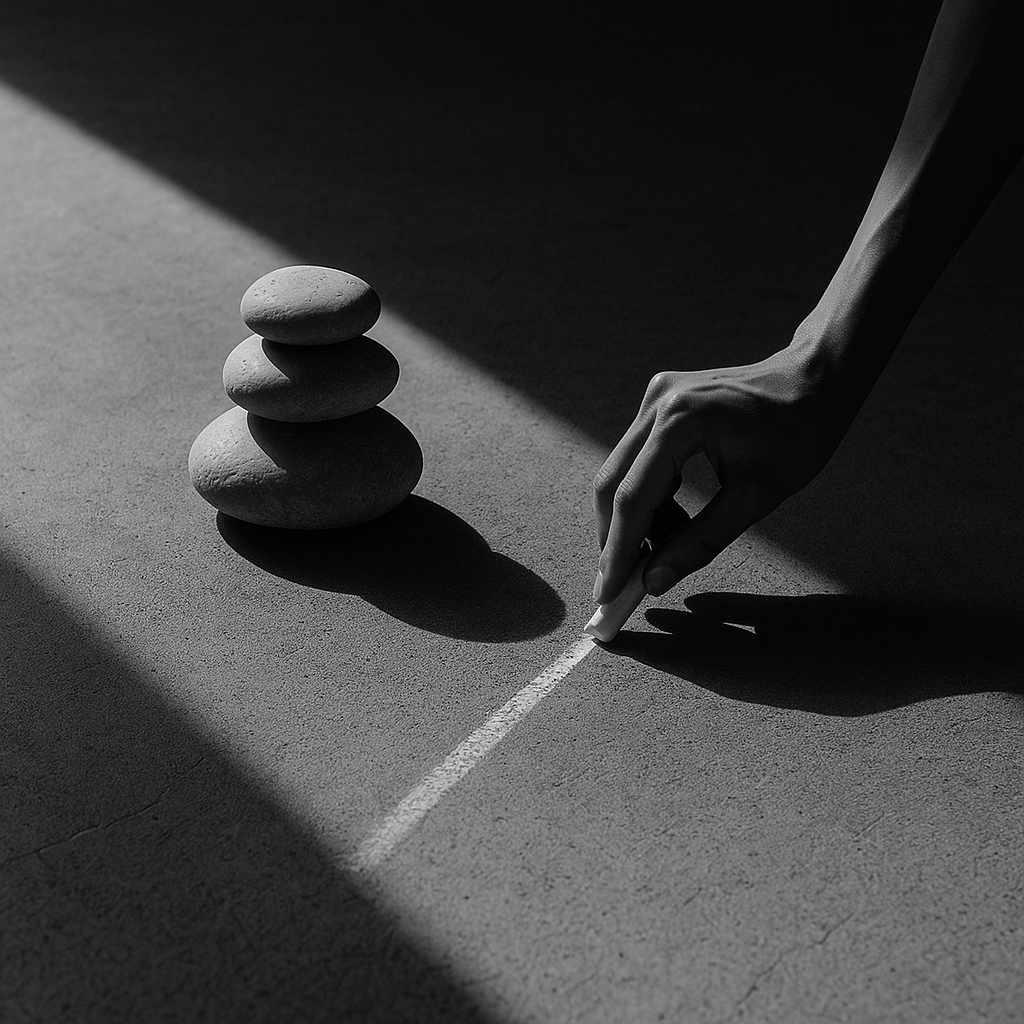
The principles of discipline are not about punishment, intensity, or self-hate. They are about structure in motion: a repeatable way to act with consistency even when motivation disappears. In other words, discipline is the system that keeps your goals alive on tired days, busy days, and “not feeling it” days.
Motivation is emotional weather. However, discipline is architecture. It converts intention into behavior, behavior into identity, and consistency into stability.
What discipline is (and what it isn’t)
Discipline is a system you can trust. It is the ability to do what matters on schedule—without negotiating with your mood. Because disciplined behavior is built, not wished for, it improves when you reduce friction and increase structure.
- Discipline is not punishment. It’s self-management.
- Discipline is not intensity. It’s consistency.
- Discipline is not perfection. It’s repeatable correction.
- Discipline is not motivation. It’s behavior that survives motivation.
If you want a simple definition: discipline is the ability to keep promises to yourself using routines, boundaries, and accountability. That idea overlaps with self-regulation—your ability to manage thoughts, emotions, and actions toward long-term goals (see the American Psychological Association’s overview of self-regulation).
The 6 principles of discipline
These principles of discipline explain how disciplined people think and how disciplined systems operate. Additionally, each principle includes a practical application so this is usable, not just inspirational.
1. Purpose Before Action
Discipline begins with a target. Without direction, effort becomes wasted movement. Therefore, purpose tells your time where to go.
Practical application: Before you start, write one sentence: “I’m doing this because…” If you can’t name the reason, the task is probably noise.
2. Control Before Comfort
Comfort isn’t the enemy. Comfort before responsibility is. As a result, discipline trains desire to follow duty instead of impulse.
Practical application: Put one non-negotiable task before entertainment each day (even 10 minutes). Over time, your brain learns the order of operations.
3. Systems Over Emotion
Emotions change. Systems hold. If your plan requires you to “feel like it,” you don’t have a plan—you have a wish. Instead, build defaults that run whether you’re tired, irritated, or distracted.
Practical application: Reduce decisions: same time, same place, same first step. For example, set a fixed start time and a minimum standard you can complete even on a low-energy day.
4. Repetition Over Recognition
Discipline does not perform. It repeats. Because mastery is built in obscurity, progress compounds through consistent reps, not applause.
Practical application: Track repetitions, not outcomes. Count workouts completed, pages written, or meals cooked. Then review weekly and adjust one variable at a time.
5. Patience Over Perfection
Perfection often hides procrastination. Patience builds durability. Consequently, small correct actions repeated over time produce identity-level change.
Practical application: Use a minimum standard: “If I can’t do the full version, I do the minimum version.” This keeps the chain alive and protects consistency.
6. Accountability Over Excuse
Excuses feel good and cost you later. Accountability can feel sharp, but it pays you back. Therefore, discipline requires ownership of both failure and success.
Practical application: When you miss, run a clean review: (1) What happened? (2) What caused it? (3) What changes tomorrow? No shame story. No identity spiral.
How to apply the principles of discipline in real life
Most people don’t fail because they lack willpower. Instead, they fail because their environment, routines, and expectations are unstructured. Use this sequence to turn the principles of discipline into behavior you can repeat.
Step 1: Reduce the size of the promise
Discipline grows faster when the task is small enough to repeat daily. Start with a promise you can keep even on a bad day.
- 5–10 minutes of movement
- One page of reading
- One bill reviewed
- One room reset
Step 2: Attach the habit to a fixed anchor
Consistency improves when the habit is tied to an existing routine: after coffee, after shower, after lunch, or after the kids go to bed. As a result, you rely less on memory and mood.
Step 3: Make the first step frictionless
Preparation is discipline done early. For example, lay out shoes, open the notes app, pre-fill the water bottle, or block the calendar time the night before. Then execution becomes simpler.
Step 4: Track what you did, not how you felt
Tracking turns discipline into evidence. Evidence builds trust. As a result, trust builds momentum. Keep tracking simple: checkmarks, counts, or a two-sentence daily log.
Step 5: Build repetition until it becomes automatic
Habits strengthen through repeated action in stable contexts. Research on habit formation is often summarized as repetition + consistency creating automaticity (see University College London’s habit research summary via UCL News).
FAQ
What is the difference between discipline and motivation?
Motivation is a feeling. It rises and falls. Discipline is a system. It keeps working when the feeling is gone.
How do I build self-discipline if I keep starting and stopping?
Lower the standard until it becomes repeatable, then lock a fixed schedule. In practice, a small daily minimum done consistently builds more discipline than a perfect plan done twice.
Why do I have discipline in some areas but not others?
Usually because one area has structure (routine, accountability, clear goals) while the other is running on emotion and intention. Therefore, rebuild the weak area the same way you built the strong one: smaller promises, fixed anchors, simple tracking.
How do I stay disciplined when I’m tired or stressed?
Use minimum standards and defaults. Reduce decisions, reduce task size, and keep the chain alive. Discipline that only works on good days is convenience, not discipline.
Discipline is not a mood. It is a capacity. It strengthens with repetition and weakens with neglect. When you practice the principles of discipline, you build trust with yourself. As a result, that trust becomes stability—and stability becomes freedom.