
More than half of all members of Congress are millionaires. The wealth inequality and working-class division in Congress is not symbolic; it shapes how the United States writes its laws. When those creating policy are insulated from the daily realities of the working class, the results tilt toward those who already have wealth. The rest are left to negotiate survival inside a system that rarely reflects their interests.
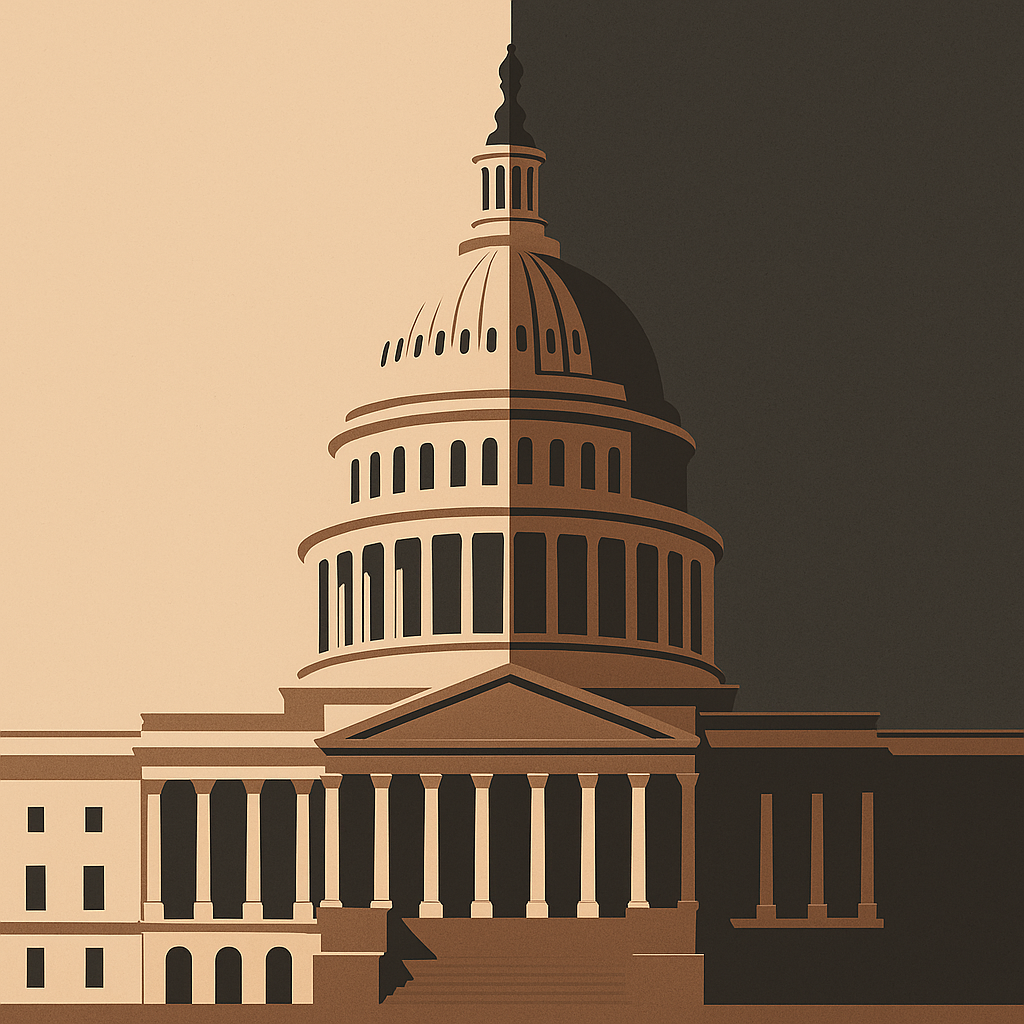
Lawmakers from elite economic backgrounds often legislate for peers who share their world. This creates a persistent policy skew toward capital over labor. Tax codes protect investment income, regulations favor large employers, and budget debates frame public programs as burdens instead of public infrastructure. These structural preferences deepen the divide between the political class and the people it claims to represent.
The “Millionaires Club” Congress
Congressional membership is no longer a mirror of the population but a portrait of privilege. This concentration of personal wealth has measurable effects on policy behavior and agenda-setting. Wealthy legislators are more likely to promote bills that protect corporate interests, resist wage reforms, and delay labor protections. The wealth inequality and working-class division in Congress reproduces itself through campaign finance barriers and policy outcomes alike.
- Policy Bias: Tax cuts for corporations and high-income earners receive priority over fair-wage legislation or family support programs.
- Barrier to Representation: The high cost of campaigns prevents working-class candidates from entering politics, reinforcing a pay-to-play system that rewards access over service.
- Consequences: When the same economic class funds campaigns, drafts legislation, and benefits from its outcomes, economic mobility slows and political trust erodes.
The Wealth Inequality and Working-Class Divide
Economic inequality alone does not explain the absence of working-class power. The deeper issue is the manufactured racial divide that fragments potential coalitions. Political elites and media narratives have long used race as a wedge to redirect anger away from structural inequality and toward perceived cultural or demographic rivals.
- Divide and Distract: For decades, stereotypes like the “welfare queen” have framed poverty as a moral failing rather than an economic outcome, dividing workers who share the same struggles.
- Media Reinforcement: Corporate media emphasizes racial tension and cultural differences while minimizing class-based policy failures.
- Result: This fragmentation prevents unified labor action, weakens voter leverage, and allows capital to remain organized while workers remain divided.
The Path Forward
Repairing democracy requires structural—not rhetorical—solutions. Two priorities stand out: working-class representation and multiracial solidarity. Without both, no reform endures and no rhetoric can bridge the trust gap between citizens and institutions.
- Campaign Finance Reform: Expand public financing and enforce transparency to lower the financial barrier for candidates without wealthy backers. When ordinary citizens can compete, representation begins to resemble reality.
- Candidate Pipeline Programs: Support organizations that train and fund community leaders—teachers, healthcare workers, and tradespeople—to run for office. Their lived experience restores empathy to policy design.
- Shared Economic Messaging: Focus political language on class and outcomes, not identity blame. The guiding question should be “Who benefits from this policy?” rather than “Which group deserves blame?”
Rebuilding Civic Infrastructure
Every generation must redesign how representation functions. Citizens’ assemblies, worker councils, and local economic forums can build sustained contact among people of different backgrounds, reducing mistrust and creating common goals. These civic institutions make solidarity tangible. They remind voters that democracy is a participatory practice, not a spectator event.
True reform also depends on civic education. When voters understand how laws are funded and who profits from them, the illusion of neutrality dissolves. Knowledge transforms frustration into organized power, capable of redirecting policy toward public good rather than private gain.
Representation, Accountability, and Renewal
The wealth inequality and working-class division in Congress is not only a reflection of imbalance—it is a test of national accountability. When policies are written by those who never depend on the systems they control, empathy and discipline leave the chamber. A government shaped by capital must be reminded that legitimacy comes from labor, not wealth.
Past reform movements offer precedent. During the Progressive Era, transparency laws and direct elections curbed industrial corruption. Mid-century labor and civil rights coalitions expanded access to opportunity and rebuilt the middle class. Each wave of reform began when citizens organized around shared interests rather than party or identity.
Today’s renewal must follow the same model. Building a more balanced Congress requires recruiting candidates who live the conditions they seek to change, not simply study them. Campaign finance reform, paired with public matching funds, would let teachers, caregivers, and small-business owners compete with career politicians. Stronger disclosure laws would curb lobbying and reward small-donor campaigns built on trust, not transaction.
Civic repair begins with the same principles as economic repair: transparency, fairness, and accountability. Reducing the wealth inequality and working-class division in Congress is not symbolic—it is structural. It ensures that policy reflects lived experience, that budgets serve people, and that representation once again means resemblance.
The Groundwork
Economic structure defines civic strength. When wealth dictates voice, democracy becomes transaction. Representation that reflects the working class restores balance to both governance and economy. See Discipline Before Dollars for how structure anchors fairness in finance and policy.
Related Reading: Explore how media framing and policy stereotypes evolved in System Updates — The Myth of the Welfare Queen.
About the System Updates Series
System Updates is an ongoing Groundwork Daily series examining how political and economic systems influence civic life. Each entry analyzes a structural force—wealth, media, or policy—and offers grounded solutions for reform. The Millionaires Congress and the Divided Working Class serves as the cornerstone post for this series, connecting representation, economy, and accountability across all future updates.
