
Your trash has a family tree, and the ecology of discipline helps you understand where it begins and where it ends. Every item you throw away carries a history of choices, habits, routines, and moments when you decided what stayed and what left your home.
Most people look at trash as something that disappears. But nothing disappears. What you throw away shapes the environment around you. What you keep shapes the environment within you. The ecology of discipline reveals the link between your daily routine and the trail your waste leaves behind.
Your trash is not a single act. It is the final step in a long line of decisions. Packaging. Storage. Overspending. Forgetting. Replacing. Neglecting. Each part of that line shows how your routines either strengthen or weaken the structure of your home.
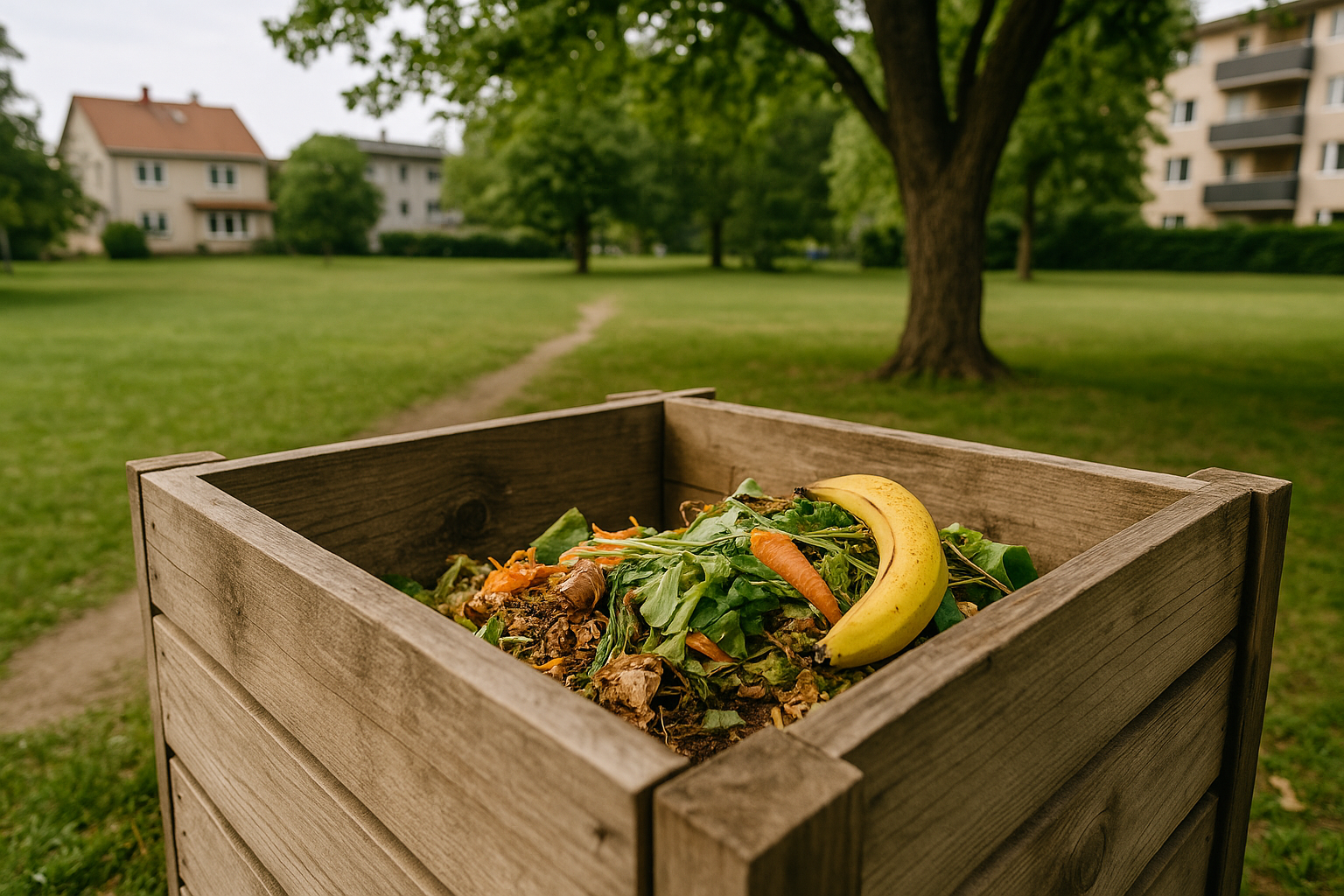
The Ecology of Discipline in Waste Patterns
Waste shows you the truth about your habits. Every discarded container, leftover meal, or unused product reflects a pattern. The ecology of discipline helps you see waste as a record of your routine. It becomes a mirror that shows how your household functions across weeks and months.
According to the EPA, household waste patterns reveal that most waste is created long before anything reaches a trash bin. EPA Waste Data
When you understand your waste stream, you understand the structure of your daily life. You begin to see how preparation, order, and discipline reduce stress, save money, and build long-term stability.
What You Throw Away Teaches Your Children
Children learn from what they see. If waste is common, excess becomes normal. If care is consistent, responsibility becomes their foundation. When you understand the ecology of discipline, you teach the next generation how to treat materials, how to manage resources, and how to value what they own.
Your trash has a family tree because your habits have consequences. The environment is shaped by what you repeat, not what you intend.
Further Groundwork:
→ The Daily Build
→ Urban Logic
→ House Rhythm
Receipts:
→ EPA Household Waste Patterns
→ USDA Food Loss and Waste Data
→ NOAA Climate Literacy