

Training creates demand. Recovery determines whether the system can return ready to carry useful demand again.
Training recovery is often treated as what happens after the real work. That is backwards. Recovery as infrastructure means designing restoration, maintenance, and load management into training before fatigue starts dictating the terms.
A workout creates stress and temporary fatigue while initiating processes associated with adaptation. What happens across the hours and days that follow influences whether performance returns, whether another productive session can be completed, and whether the training plan remains repeatable over time.
Fitness culture is much better at measuring output than restoration. Sets, repetitions, miles, pace, load, heart rate, calories, and personal records are visible. Sleep, accumulated fatigue, appetite, soreness, motivation, nutritional adequacy, life stress, and recovery between sessions are easier to ignore.
That blind spot creates a predictable failure mode. Volume rises. Hard sessions begin clustering together. Sleep gets sacrificed to create training time. Nutrition no longer supports the workload. Performance starts declining, and the decline gets answered with more effort.
That is not toughness. It is poor load management.
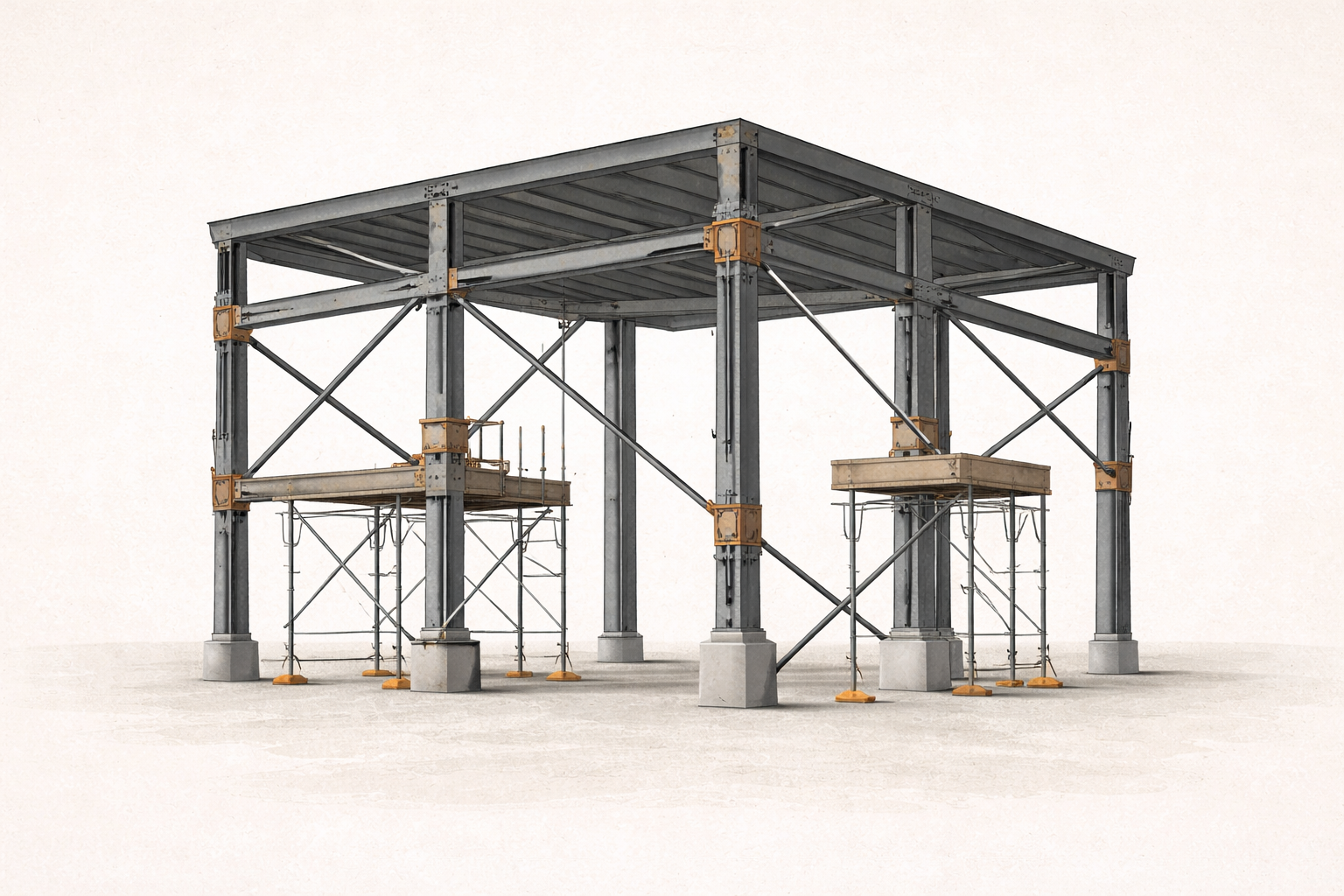
Training Recovery Is Infrastructure, Not Reward
Recovery becomes fragile when it is framed as something earned after enough work has been completed. Under that model, training receives protected time while recovery gets whatever remains. When the week becomes crowded, sleep shrinks first. Rest days become optional. Food gets improvised. The system keeps spending while its maintenance budget disappears.
A stronger model places recovery inside the training plan from the beginning. Hard sessions have appropriate space around them. Sleep has a realistic opportunity to occur. Nutrition supports the workload. Lower-demand periods exist because every session does not need to compete for maximum output.
Training then becomes a cycle rather than a collection of isolated efforts.
This distinction matters because fatigue itself is not automatically a problem. Productive training commonly creates temporary fatigue. The better question is whether that fatigue resolves appropriately and whether the athlete or trainee can return capable of useful work.
Recovery is not the prize for finishing the work. It is part of the system that lets useful work continue.
Training Adaptation Is a Stress-and-Recovery Process
Exercise creates physiological stress and activates signaling associated with adaptation. Resistance training can contribute to changes in muscle, neural function, connective tissue, and force production. Endurance training can produce cardiovascular, muscular, and metabolic adaptations.
Those processes make the familiar statement that “adaptation only happens during recovery” too simple. Training and recovery are not competing phases. They are parts of one process. The training stimulus creates demand and initiates adaptive signaling, while the period that follows supports restoration and the ability to express those adaptations in future performance.
Research on resistance-training recovery reflects this interaction. Fatigue is expected after demanding exercise. However, insufficient recovery can temporarily impair later performance. The objective is therefore not to eliminate fatigue from training. It is to manage fatigue well enough that productive training can continue.
More stress is not automatically more adaptation
Training requires enough challenge to give the body a reason to adapt. Yet every increase in stress does not produce an equal increase in benefit. Additional volume, intensity, or frequency can eventually add fatigue faster than useful stimulus.
That is why serious training plans manipulate workload instead of increasing it indefinitely. Hard sessions can alternate with easier work. Volume can rise and fall across training blocks. Competition phases can differ from base-building phases. Deloads may reduce accumulated demand when appropriate.
The principle is developed further in Capacity Before Intensity . Intensity is a tool. Capacity determines how much demand the current system can productively absorb.
Under-Recovery Is Not the Same as Overtraining Syndrome
Fitness language uses “overtraining” far too casually. Soreness, a difficult week, declining motivation, or several poor workouts do not automatically establish overtraining syndrome.
Temporary fatigue after difficult training is normal. Short-term overreaching can also be deliberately programmed. More serious non-functional overreaching and overtraining syndrome involve different degrees and durations of performance disruption and recovery.
Overtraining syndrome is considerably more serious than ordinary workout fatigue. It is also difficult to diagnose because no single symptom, wearable score, or laboratory marker definitively establishes it. Other causes of persistent performance decline and fatigue must be considered.
The useful lesson is not to become afraid of hard training. It is to pay attention to trends.
Watch patterns, not isolated signals.
Persistent performance decline combined with prolonged fatigue, disrupted sleep, mood changes, unusual loss of motivation, recurrent illness, or other symptoms deserves more attention than ordinary short-term soreness.
Sleep Is Core Training Recovery Infrastructure
Sleep is one of the highest-leverage parts of training recovery because it supports health, cognition, mood, and physical functioning. Training cannot indefinitely compensate for chronic sleep restriction.
The relationship also runs in both directions. Exercise can influence sleep, while sleep can influence recovery, readiness, decision-making, and physical performance.
Research on sleep restriction and performance is more nuanced than the slogans suggest. One poor night does not automatically destroy a training cycle, and every measure of performance does not respond identically to sleep loss. However, repeated sleep restriction can make performance and recovery harder to manage.
That leads to a more useful conclusion: a training program that routinely requires sacrificing sleep is badly calibrated.
Protect sleep opportunity before chasing recovery hacks
Recovery technology attracts attention because optimization feels sophisticated. Wearables, massage tools, compression devices, cold exposure, supplements, and elaborate protocols can all appear more advanced than simply going to bed.
Some tools may have specific uses. None should distract from the foundational question: does the schedule provide enough realistic opportunity to sleep?
Start there. Is bedtime reasonably consistent? Is late caffeine interfering with sleep? Is training routinely pushed so late that winding down becomes difficult? Has sleep become persistently poor enough to warrant professional evaluation?
Recovery technology cannot repair a schedule that refuses to create recovery time.
Nutrition Supports Recovery Without Requiring Protein-Window Panic
Nutrition matters because training creates energy and substrate demands. Protein supports muscle protein synthesis and tissue remodeling. Carbohydrate can help replenish glycogen used during many forms of exercise. Total energy intake matters because chronic under-fueling can make both performance and recovery harder to sustain.
The mistake is reducing recovery nutrition to a tiny post-workout window. Nutrient timing can matter in particular training contexts, but total daily intake, training demand, overall diet quality, protein distribution, and energy availability deserve the larger share of attention.
A useful recovery system therefore asks bigger questions. Is the person eating enough for the workload? Is protein intake adequate across the day? Are carbohydrates sufficient for the type and volume of exercise being performed? Is aggressive dieting being layered onto an already demanding training schedule?
Training demand and nutritional support have to live in the same system.
Hydration Is Boring Until It Is Missing
Hydration belongs in workout recovery because fluid losses can affect physical performance, particularly during prolonged exercise, heavy sweating, or training in hot environments.
Individual needs vary with body size, environment, exercise duration, sweat rate, diet, and other factors. That makes universal prescriptions less useful than adequate hydration matched to the actual conditions.
For many ordinary gym sessions, hydration does not need to become complicated. Begin reasonably hydrated and replace fluids according to the demands of the session and environment.
The larger systems lesson remains intact: routine maintenance works better when it occurs before a manageable deficit becomes a crisis.
Training Recovery Begins With Load Management
Sleep and nutrition cannot make an unreasonable training program reasonable. If demand repeatedly exceeds what the person can recover from, recovery practices become patches applied to a programming problem.
Volume matters. Intensity matters. Frequency matters. Exercise selection matters. Training history matters. Proximity to muscular failure can matter. Work demands and life stress can matter as well.
A person who recently began resistance training cannot assume the same recoverable workload as someone with a decade of training experience. Likewise, the same person may tolerate different training loads during different seasons of life.
The recovery question should therefore appear before the program is finalized, not only after the person begins failing it.
Hard days need context
A hard session can be completely appropriate. The problem begins when hard days are stacked without accounting for what each session costs.
Heavy resistance training, high-volume intervals, long endurance sessions, physically demanding employment, travel, illness, and inadequate sleep may all arrive inside the same week even when they appear on different calendars.
Life stress and training stress are not physiologically identical. Still, both can affect the same person who has finite time and capacity for restoration.
Rest Days Are Not Failed Training Days
Rest days become difficult when identity gets tied to constant output. A blank training square starts to look like lost progress. Then the supposedly empty day fills with extra cardio, another lift, or an “active recovery” session demanding enough effort to become another workout.
Light movement can be useful. Walking, mobility work, or other low-demand activity may feel good and allow someone to remain active without adding substantial fatigue.
But a recovery day does not need to earn legitimacy by containing more training.
The goal is not to maximize the number of calendar days labeled “workout.” The goal is to improve the quality, continuity, and sustainability of the training process.
Deloads Are a Tool, Not a Ritual
A deload reduces training demand for a period of time. Depending on the program, that may mean lower volume, lower intensity, fewer sessions, altered exercise selection, or some combination.
Deloads can be useful when fatigue has accumulated or when a training cycle deliberately moves between higher- and lower-demand periods. They do not need to occur on exactly the same calendar schedule for every person.
Some beginners train at modest enough volumes that formal deloads may be unnecessary for long stretches. More advanced trainees may benefit from deliberate reductions. Competitive athletes may organize recovery around seasons, events, and performance peaks.
The principle matters more than the ritual: training demand should be reconsidered periodically instead of being programmed to rise forever.
Training Recovery Is More Than the Absence of Soreness
Muscle soreness receives disproportionate attention because it is easy to feel. Recovery is broader.
Someone can have little soreness while carrying substantial fatigue. Conversely, unfamiliar movements can create soreness even when the person is otherwise recovering normally.
Soreness should therefore remain one signal rather than becoming the entire readiness system.
Is performance returning?
Is motivation reasonably stable?
Is sleep holding?
Is ordinary activity unusually difficult?
Is the same workload getting harder across multiple sessions?
No single metric tells the entire story. Patterns across multiple signals are usually more informative than one dramatic reading.
Recovery Technology Should Not Become Recovery Theater
An entire market has grown around the fear that recovery is never optimized enough. Cold plunges. Massage guns. Compression boots. Wearable readiness scores. Supplements. Infrared devices. Specialized drinks. Breath protocols.
Some of these tools can have context-specific value. The strategic error is allowing the accessory layer to become more sophisticated than the training system underneath it.
If sleep is chronically inadequate, energy intake is too low, training volume is unreasonable, and lower-demand days barely exist, another recovery device does not solve the architecture.
Infrastructure before accessories.
Sleep opportunity, appropriate training load, adequate nutrition, hydration, and usable recovery time deserve attention before marginal recovery tools.
Recovery Is Also a Life-System Problem
Training does not exist outside work, caregiving, finances, relationships, illness, travel, grief, and family responsibility. The same human being has to carry all of it.
A parent living through interrupted sleep may need different programming from the same person during a quieter season. Someone working a physically demanding job may not recover from gym volume in the same way as someone whose work is primarily sedentary.
A difficult life season can temporarily change training capacity even when the written program has not changed at all.
That is not weakness. It is context.
Good programming responds to changing conditions without assuming that every adjustment represents surrender.
Recovery as Infrastructure Is Not an Argument for Easy Training
This framework can be misread as an argument for avoiding hard work. It is the opposite.
Progressive training requires challenge. Strength development requires sufficient resistance. Endurance improves through appropriate cardiovascular demand. Athletic development can require difficult sessions, high effort, and temporary fatigue.
Recovery infrastructure exists so those demanding exposures can remain productive.
The stronger system is not the one that avoids stress. It is the one that can apply meaningful stress, absorb it, restore capacity, adapt, and return ready for another useful exposure.
That is why Capacity Before Intensity belongs next to this framework. Recovery does not replace intensity. It makes intensity governable.
The Training Recovery Infrastructure Audit
This audit is not a diagnostic test for overtraining syndrome, injury, hormonal dysfunction, sleep disorders, or another medical condition. It is a programming review designed to expose whether recovery is actually built into the training system.
Recovery Infrastructure Audit
1. Sleep
Does the weekly schedule create a realistic opportunity for adequate sleep, or does training repeatedly compete with it?
2. Training load
Are volume, intensity, and frequency appropriate for your current experience, goals, and capacity?
3. Performance
Are you generally returning to baseline or improving, or has the same workload become harder across several sessions?
4. Nutrition
Does total food intake support the current training demand, or are high workloads being combined with aggressive restriction?
5. Protein and carbohydrate
Is the overall eating pattern supplying enough building material and usable fuel for the training being performed?
6. Hydration
Are fluid needs being reasonably met, particularly during prolonged exercise, heavy sweating, or hot conditions?
7. Lower-demand time
Does the schedule contain genuinely easier periods, or does every available day eventually become another training opportunity?
8. Life load
What work, caregiving, illness, travel, grief, sleep disruption, or other demands are competing for the same recovery capacity?
9. Trends
Are fatigue, mood, sleep, motivation, soreness, and performance moving in a concerning direction together?
10. Medical signals
Is persistent fatigue, pain, illness, sleep disruption, or another symptom being blamed on training when it deserves qualified evaluation?
11. Adjustment
What is the smallest change that would make the next week more productive rather than merely harder?
When Recovery Problems Need Professional Evaluation
Persistent fatigue should not automatically be labeled overtraining. Infections, iron deficiency, sleep disorders, inadequate energy intake, medication effects, depression, and other medical or psychological conditions can also affect energy and performance.
Persistent or worsening pain deserves more than repeated attempts to “recover harder.” Likewise, new weakness, chest pain, fainting, severe shortness of breath, substantial functional decline, or other concerning symptoms require appropriate medical attention.
Overtraining syndrome itself can be difficult to diagnose because there is no single definitive test and other explanations must be excluded.
When a performance problem becomes persistent, severe, unexplained, or accompanied by broader symptoms, the correct escalation is qualified evaluation—not a more elaborate recovery ritual.
Build the Ability to Return
Training recovery changes the governing question.
Instead of asking how much training you can tolerate, ask how much training you can productively absorb.
Instead of treating rest as the absence of work, treat restoration as one component of the work.
Instead of assuming more stress automatically produces more adaptation, watch the relationship between stimulus, fatigue, recovery, and performance.
Protect sleep.
Fuel the workload.
Manage training volume.
Use lower-demand days deliberately.
Adjust when life changes.
Investigate persistent symptoms.
Recovery does not make training softer.
It makes training more intelligent because the objective is no longer to prove how much fatigue can be ignored.
Strength is not proven by how long you can run the system without maintenance.
Strength is built when useful stress can be applied, absorbed, recovered from, and carried forward.
→ Recovery Is a Performance Skill
→ Capacity Before Intensity: The Training Principle Nobody Applies to Life
→ Insulin Resistance and Exercise
→ Metabolic Math: Why Standard Fitness Advice Fails Certain Bodies
What This Work Is Built On
Recovery is a maintenance problem before it is an optimization problem. The training system has to carry useful load, restore enough capacity to continue, and adjust when the conditions around it change.
Build What Holds
A system is not durable because it can survive one extraordinary effort. It is durable when load, maintenance, restoration, and adjustment are designed well enough for useful performance to continue.
Capacity
Capacity defines what the system can reliably carry. Training creates demand against that capacity. Recovery helps restore and expand what can be carried next without unacceptable degradation.
Explore the full Groundwork Daily Core Principles and Conditions architecture .

Research and Guidance Behind the Framework
Recovery as infrastructure is Groundwork Daily’s systems framework, not a clinical term. The sources below support the broader physiology, fatigue, sleep, recovery, and overtraining concepts used in this article. The infrastructure model, audit, and editorial interpretation are Groundwork Daily synthesis.
-
Adaptations to Endurance and Strength Training
Review of physiological adaptations associated with endurance and resistance-training stimuli. -
The Importance of Recovery in Resistance Training
Review addressing fatigue, performance restoration, and recovery considerations following resistance exercise. -
Sleep and Recovery Practices of Athletes
Review examining sleep and recovery practices relevant to athletic performance. -
Overtraining Syndrome
Review addressing overreaching, overtraining syndrome, symptoms, differential diagnosis, and the limitations of single diagnostic markers. -
American College of Sports Medicine: Recovery and Training
Practical recovery guidance addressing rest, sleep, nutrition, hydration, and appropriate activity.