
Fake food in America is usually not counterfeit. It is legal food that has drifted away from what people think they are buying. The label still looks familiar. The brand still feels trusted. However, the formula often changes under cost pressure, and the product becomes a different thing in practice.
This post explains why fake food in America exists without fraud. It is not nostalgia and it is not a conspiracy. It is an incentive system. When margins tighten, companies reformulate. Then, when the recipe no longer fits a legal definition, the package quietly switches to a new legal name.
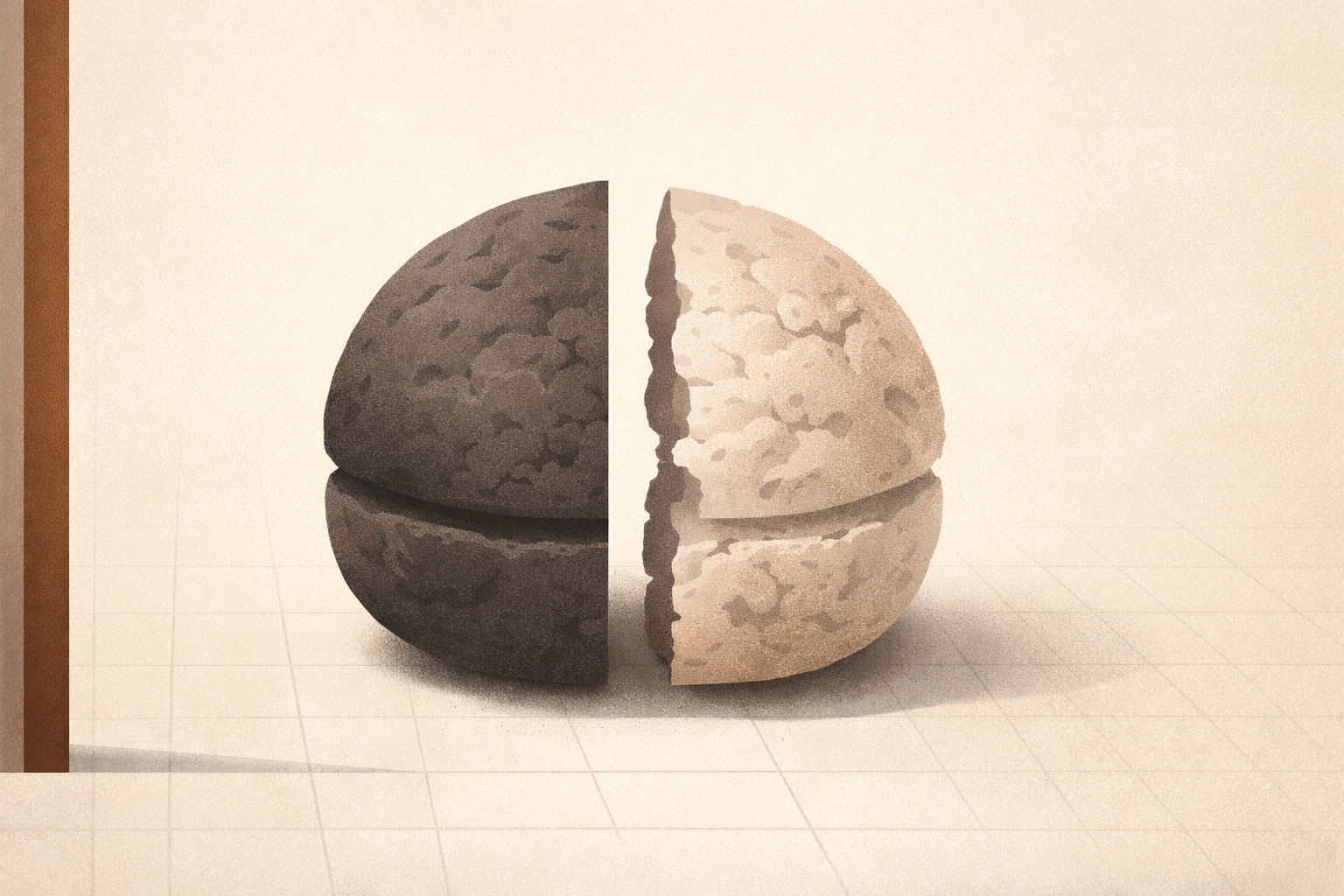
Fake Food in America and the Problem of Standards Drift
People use the word fake because the experience no longer matches the promise. The taste is thinner. The texture is lighter. The ingredient list is longer. Still, the box and branding remain familiar. As a result, consumers feel misled even when companies remain compliant.
Fake food in America is best explained by standards drift. Standards drift occurs when a product stays legal while moving away from traditional ingredients and sensory quality through gradual substitution.
FDA Standards of Identity and Why Fake Food Is Legal
The FDA created Standards of Identity to prevent economic adulteration. Economic adulteration happens when a food looks like a known product but uses cheaper substitutes that change what it truly is.
If a food meets the standard, it can use the standardized name. If it does not, it must use a different legal name. That legal name is the quiet signal that fake food in America has replaced the original product.
Official guidance can be reviewed here: FDA food labeling and nutrition guidance.
How Food Reformulation Creates Fake Food in America
Food reformulation follows a predictable pattern. First, expensive ingredients are reduced. Next, cheaper replacements appear. Then stabilizers and flavors compensate for lost texture and taste. Finally, the packaging remains unchanged while the substance shifts.
This process connects directly to earlier posts in this cluster: Why Food Tastes Worse Now and Food Quality Decline Under Cost Pressure.
Fake Food in America Revealed Through Legal Naming
The fastest way to identify fake food in America is to read the legal product name near the ingredients. That is where compliance replaces marketing.
Fake Ice Cream and Frozen Dairy Desserts
Ice cream must meet federal standards. When milkfat drops or stabilizers dominate, labels shift to frozen dairy dessert. The product remains sweet and cold, but the substance changes.
Fake Cheese and Processed Cheese Products
Cheese products with added oils and water often move into categories like pasteurized prepared cheese product. The name signals a structural change, not just a branding choice.
Fake Chocolate and Chocolatey Products
Chocolate depends on cocoa butter. When cheaper fats replace it, products shift toward chocolate candy or chocolatey language. This is legal compliance, not deception.
Fake Peanut Butter and Peanut Butter Spreads
Peanut butter standards limit non-peanut ingredients. When sugar and oils exceed that limit, the label changes. The jar looks familiar, but the food is no longer the same.
Why Fake Food in America Feels Personal
Consumers track experience, not regulations. When food becomes less satisfying, people notice. When texture turns airy or gummy, the body responds. Without language, frustration feels emotional instead of structural.
Ultra-Processed Food Design and Fake Food Outcomes
Industrial food prioritizes shelf life, logistics, and cost control. These priorities often flatten flavor and reduce density. Over time, fake food in America becomes normalized as the default.
A research-based overview is available here: Harvard Nutrition Source on processed foods.
How to Identify Fake Food in America at the Store
- Read the legal name. It reveals reformulation.
- Check fat sources. Substitute oils change satisfaction.
- Notice texture. Air and stabilizers reduce density.
- Track repeat eating. Less satisfaction signals loss of substance.
The Groundwork
Fake food in America thrives on confusion, not secrecy. Once you understand standards drift and legal naming, you regain agency. You can choose differently without panic or purity chasing.