
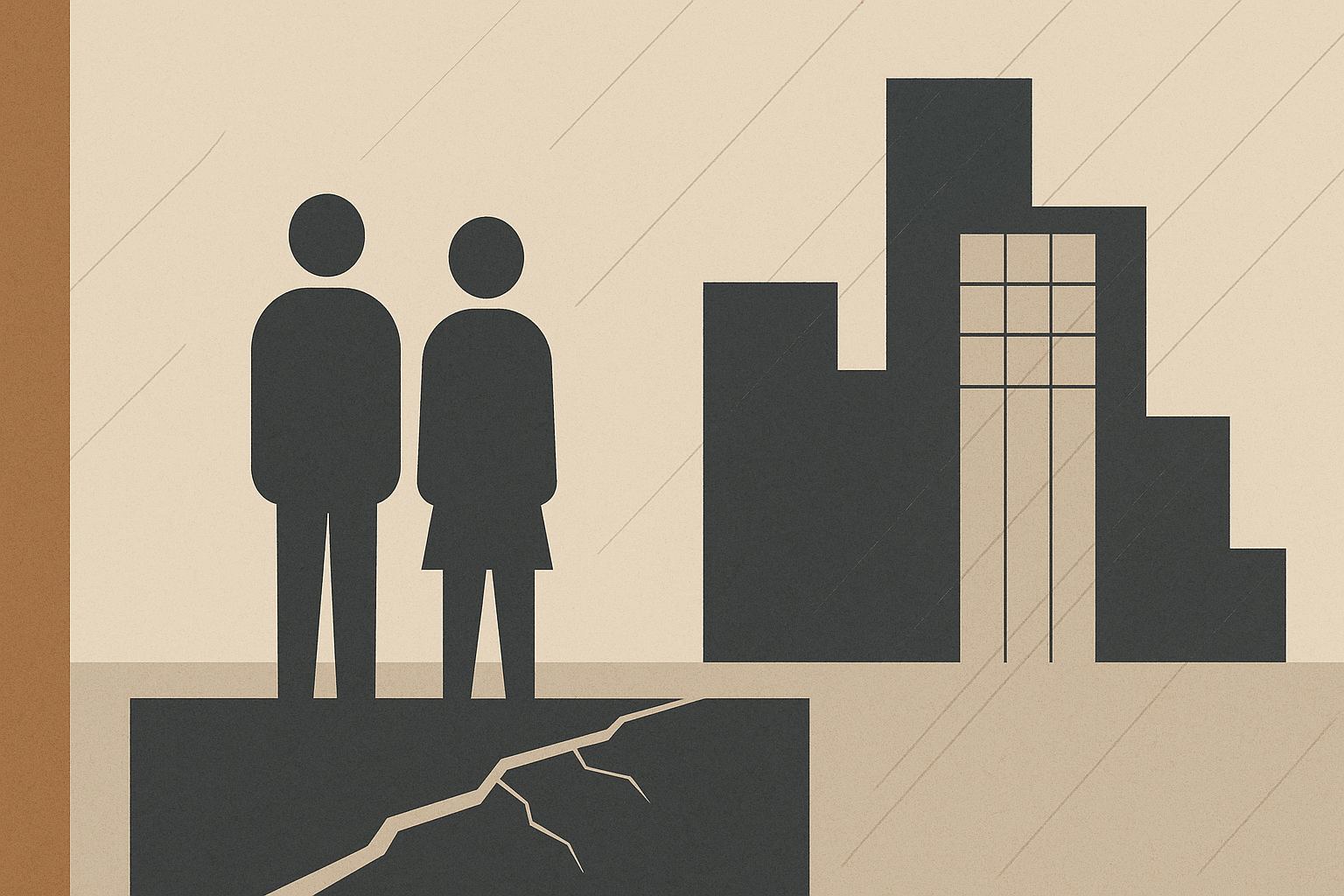
The hidden risks of DINK life stay quiet at first. Dual income with no kids feels safe, but safety can turn into stagnation when discipline fades and the math becomes emotional instead of structural.
Why DINKs Feel Safe Until They Are Not
DINK households often enjoy predictable income, light responsibilities, and a sense of control. However, perception is not the same as protection. The absence of pressure creates a quiet confidence that spending is harmless and that the season will last longer than it truly does.
The risk is simple. Stability makes drift feel rational, which is one of the hidden risks of DINK life that couples rarely articulate.
How Lifestyle Creep Reveals the Hidden Risks of DINK Life
For many DINKs, lifestyle upgrades arrive quietly. A nicer apartment, more takeout, weekend flights, subscriptions, decor, pets, and convenience spending. None of these feel dangerous alone. Yet together, they inflate the cost of normal life and reduce financial flexibility.
This slow escalation is another hidden risk of DINK life. The numbers still look fine on paper, but the true cost is a shrinking ability to change direction.
The Three Hidden Risks of DINK Life
1. Rising Lifestyle as a Fixed Obligation
Comfort becomes expectation. Expectation becomes dependency. When lifestyle hardens into a baseline, the household becomes emotionally anchored to a cost structure that limits future freedom.
2. The Illusion of Fixing It Later
DINKs often believe they can pivot at any moment because two incomes offer cushion. However, the longer they wait, the more expensive course correction becomes. Spending patterns solidify quietly, narrowing optionality over time.
3. The Lack of a Shared Financial Identity
Without dependents, DINKs can drift into separate visions of the future. One partner saves aggressively while the other optimizes for comfort. The money is shared, but the philosophy is not. Eventually the math exposes the difference.
When Stability Masks the Hidden Risks of DINK Life
The greatest risk for DINKs is not failure. It is drift. A household with two incomes can float for years without noticing they are building nothing. The comfort becomes a cocoon, and the cocoon becomes a cage constructed out of soft habits.
Nothing feels wrong until the window closes and the household realizes the season created ease but not leverage.
This is why naming the hidden risks of DINK life matters. Awareness restores structure. Structure restores direction.
How DINKs Protect Their Leverage
To keep the DINK season from eroding its own advantage, the couple must operate with shared clarity. These moves make the window sustainable instead of fragile:
- Set a maximum lifestyle ceiling. Decide the cap and avoid inflating costs as income rises.
- Create a required savings floor. A percentage that hits savings automatically without negotiation.
- Define a shared long term goal. Without a target, surplus becomes drift every single time.
- Review spending quarterly. Habits harden quietly. Regular check ins keep structure alive.
DINK life is a gift. Yet gifts become liabilities when handled passively. Naming the hidden risks of DINK life is the first step toward using the season with intention rather than assumption.
The Groundwork
DINKs do not fail because of income. They fail because of drift. When a season of surplus has no structure, comfort becomes the quiet architect of future constraints. Leverage exists only when intention does.