
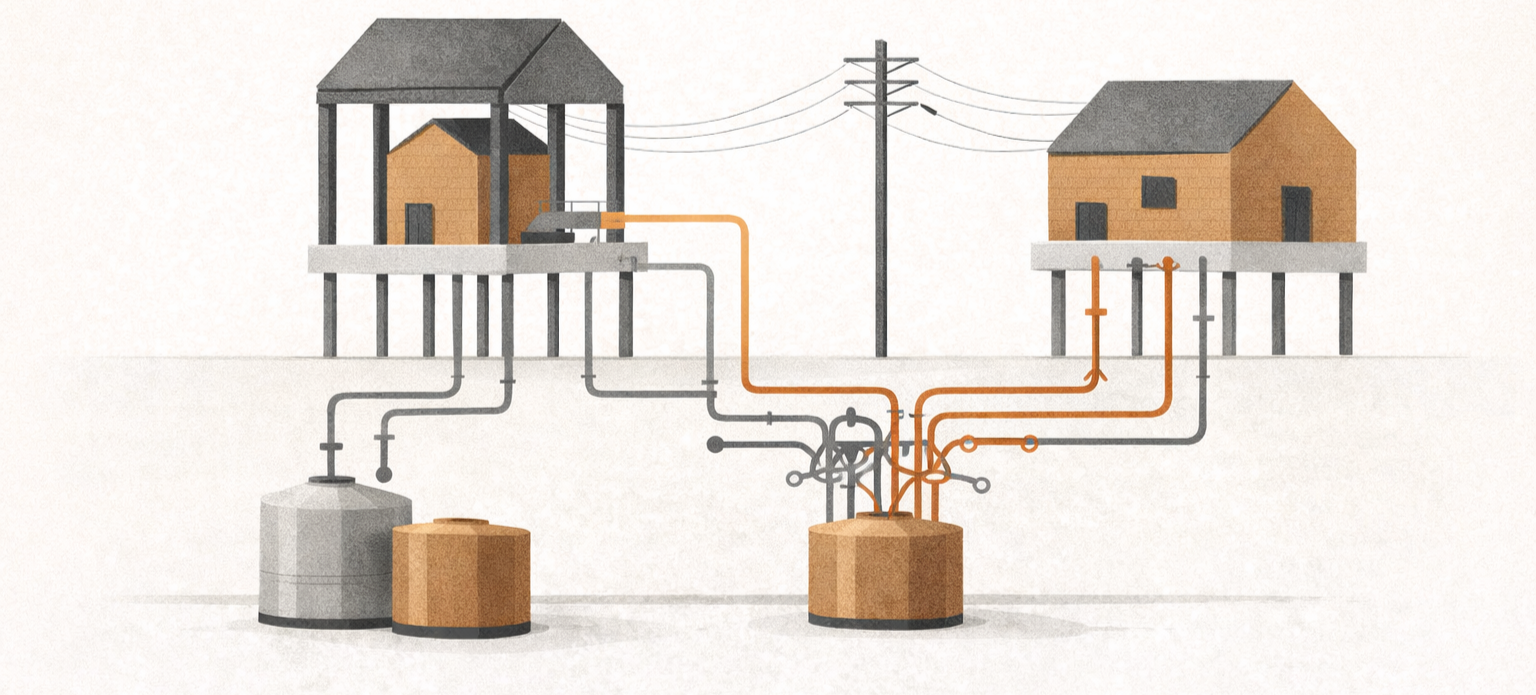
Insulin resistance fitness conversations get hijacked by moral talk. People hear “resistance” and assume “refusal.” That is the wrong frame. Insulin resistance is a signal-and-access problem. Energy can be present in the system while access to that energy stays restricted.
So when someone says, “I’m doing the right things but nothing is moving,” it is not automatically denial or laziness. Often, it is biology doing what biology does: prioritizing survival, storing more readily, and rationing output when signals do not land cleanly.
Why Insulin Resistance Fitness Is Not a Character Test
Insulin’s job is coordination. It helps move glucose from the bloodstream into cells so the body can use it. When cells become less responsive, the body compensates by pushing harder. Over time, that pattern can create a loop: more signal, less response, more congestion.
In other words: the system is working, but the efficiency is degraded. That is why simple slogans fail. People keep prescribing effort, when the real requirement is strategy.
What breaks first is energy access, not motivation
When energy access is inconsistent, the body behaves like a cautious accountant. Output becomes expensive. Hunger cues can intensify. Recovery can take longer. And workouts that “should” feel normal can feel like walking through wet cement.
That is also why scale changes can lag behind behavior changes. The body is not only responding to calories. It is responding to signals, sleep, stress load, training volume, and recovery capacity.
What to do instead: build a system that restores signal clarity
There is no single universal plan, but there is a consistent principle: stop treating biology like an obstacle and start treating it like input data. Practical levers usually include:
- Progressive strength training to improve how the body uses glucose and rebuild metabolic demand.
- Walking and low-intensity movement to increase daily energy throughput without spiking fatigue.
- Protein-forward meals and consistent meal structure to reduce blood sugar swings.
- Sleep protection because sleep loss can worsen appetite signaling and recovery.
- Stress management because chronic stress can keep the body in “store and protect” mode.
This is where discipline matters. Not “punishment” discipline. Systems discipline. The kind that repeats what works long enough for the body to trust it.
The Bottom Line
Insulin resistance fitness progress improves when the plan respects energy access and signal clarity. Discipline still matters, but the winning move is not shame. The winning move is a system built for how the body actually processes input.
Further Groundwork
