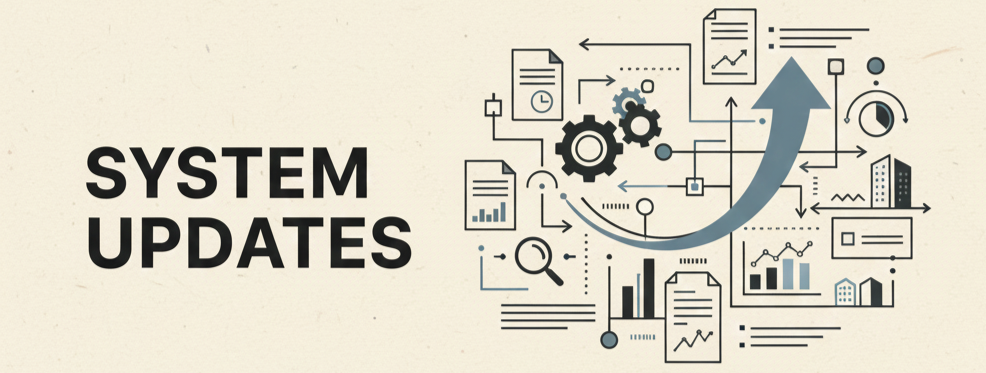
Series: System Updates — Civic Power & Policy
Progress is proof of care.
A family stability blueprint begins with one rule: design for partnership, not policing. Replace supervision with support that builds capacity, measures outcomes, and respects time. When policy behaves like parenting, stability becomes conditional. When policy behaves like infrastructure, stability becomes repeatable.
Policy Design for Family Stability
The core failure in many benefit systems is not generosity. It is design. Families are asked to prove hardship repeatedly, navigate administrative burden, and survive benefit churn. A stability-first model treats time as a resource and continuity as the default.
Principles That Hold
Start with clarity. Money must stabilize housing and food first. Child care must match real work hours. Casework must remove barriers, not add steps. Every rule should answer a simple test: does this help a parent keep a schedule and keep a home.
Design Targets That Actually Matter
Measure months housed, school attendance, and income durability. Track time to benefits, not forms completed. Align aid with local rent and transit. Fund child care that opens early and closes late. Make recertification annual for stable households to reduce administrative churn.
Work, Training, and Caregiving That Fit Real Life
Count verified part-time work, training, and caregiving as progress. Recognize shift work and variable schedules. Build rules that reduce the benefits cliff and limit sudden loss of support during income volatility. Tie support to completion of milestones. Pay for outcomes reached, not appointments kept. Build short on-ramps to apprenticeships and local jobs that pay on time.
Administration Built for Trust
Use plain language notices. Assign one case lead per family. Offer digital upload with paper options. Sanctions should last only until a fix is made. Appeals should be available within seven days. Publish local dashboards that show results families care about, including housing stability metrics and time-to-approval.
From Program to Platform
Integrate benefits so a parent updates information once. Auto-check eligibility across programs. Share secure data between agencies for renewals. Make continuity the default setting rather than churn. A platform model reduces duplicative verification, shortens processing timelines, and protects the workweek.
Further Groundwork
The Myth of the Welfare Queen
Welfare Reform and Family Policy: When Policy Becomes Parenting
Preparation Is Protection
Pillar: Discipline Before Dollars
The Groundwork
A family stability blueprint sets partnership as policy. Stability grows when aid protects schedules, secures housing, and measures outcomes that last. The next step is local adoption with clear metrics, public dashboards, and fewer failure points in administration.