Series: System Updates — Civic Power & Policy
Preparation is protection because crisis does not wait for perfect conditions. Families, communities, and public systems stay stable when they build plans before pressure arrives.
Most breakdowns do not begin with disaster. They begin with small interruptions. A missed paycheck. A childcare gap. A delayed benefit. A transit failure. Each issue looks manageable alone. Together, they can pull a household into crisis.
That is why preparation matters. It turns pressure into something contained. It gives people time, options, and order when everything else starts moving too fast.
Table of Contents
Why Preparation Is Protection
Preparation is protection because it changes the outcome before the crisis begins. A prepared household does not need every system to work perfectly. It needs enough structure to absorb disruption without falling apart.
This is the point many people miss. Preparation does not remove risk. Instead, it limits the damage risk can cause.
Without preparation, a single disruption can trigger a chain reaction. One missed shift can reduce income. Reduced income can delay rent. Delayed rent can create fees. Fees can push a household into debt. Debt can make the next disruption harder to survive.
That is not just personal instability. It is a civic problem. When households fall into crisis, public systems carry the overflow. Schools feel it. Employers feel it. Courts feel it. Social service agencies feel it. Emergency responders feel it.
Therefore, preparation is not just private responsibility. It is public infrastructure at the household level.
Household Planning Builds Stability
Household planning begins with the ordinary failures that people already know will happen.
Someone will get sick. Transportation will break down. Work hours will shift. A bill will arrive at the wrong time. A school schedule will change. A caregiver will become unavailable.
These are not rare events. They are normal pressure points. The problem is not that they happen. The problem is that many households face them without a backup system.
A stable household needs practical redundancy. That means a second childcare option, a backup transportation route, a short list of emergency contacts, and basic supplies that can cover a temporary interruption.
Financial preparation also matters. Even a small emergency fund can reduce panic. It can keep a late bill from becoming a high-interest debt cycle. More importantly, it protects judgment. People make better decisions when they have breathing room.
This does not mean every household can prepare equally. Income, housing conditions, work schedules, disability, caregiving demands, and neighborhood resources all shape what preparation looks like. However, the principle still holds: every layer of preparation lowers the chance of collapse.
Preparation is not about perfection. It is about reducing exposure.
Administrative Friction Turns Pressure Into Crisis
Many crises grow because systems move too slowly.
A family may qualify for help, but still lose stability while waiting for approval. A person may have the right document, but not know where to send it. A parent may need support, but face office hours that conflict with work.
That gap between need and response creates administrative friction. It wastes time. It adds stress. It also increases cost.
Prepared families can reduce some of that friction. They can keep documents organized. They can save contact information. They can know which offices handle which problems. They can create a simple folder for school, health, employment, benefits, housing, and emergency contacts.
Still, institutions must carry their share of the responsibility. Public systems should not make stability harder to maintain. Clear forms, faster decisions, plain-language instructions, and coordinated agencies all reduce damage.
When systems move quickly, people recover faster. When systems delay, small problems expand.
Community Preparedness Works as Civic Infrastructure
Preparedness does not stop at the front door.
Communities also need structure. A neighborhood with trusted communication channels can respond faster than one where everyone operates alone. A faith institution, tenant association, block group, school network, or local nonprofit can move information quickly when formal systems lag.
This kind of community preparedness does not replace government. That idea is weak thinking. Communities should not carry every burden that public systems fail to handle.
Instead, community preparedness buys time. It closes the gap between disruption and institutional response. It helps people find food, transportation, childcare, updates, or temporary support before a problem escalates.
That matters because crisis moves fast. A strong network can prevent isolation from becoming collapse.
In this sense, community is not just emotional support. It is operational capacity.
Policy Design Should Reward Readiness
Good policy reduces friction before crisis compounds.
Emergency assistance should move quickly. Public agencies should coordinate data responsibly. Schools, employers, and benefit systems should communicate clearly. Local governments should treat preparedness as prevention, not as an afterthought.
The fiscal case is straightforward. Early support usually costs less than late intervention. A rent gap costs less than an eviction process. A food bridge costs less than a health emergency. A transportation fix costs less than job loss.
Preparation is protection for public budgets too.
Policy should also support readiness without turning it into punishment. A household should not lose access to help because it could not build reserves under impossible conditions. That kind of policy mistakes poverty for poor planning.
The stronger approach is simple: help people prepare, then make systems fast enough to keep preparation from being wasted.
Preparedness Measurement Must Avoid Punishment
Preparedness can be measured, but measurement must serve investment.
Municipalities and agencies can track practical indicators:
- How quickly emergency benefits reach eligible households
- How many residents receive emergency communication alerts
- How many schools maintain updated family contact protocols
- How many neighborhoods have trusted local support networks
- How often agencies coordinate during household-level disruptions
These measures can show where systems work and where they fail. However, they should not create barriers for families that already face instability.
The goal is not to grade people under pressure. The goal is to build systems that reduce pressure in the first place.
The Groundwork
Preparation is protection because it lowers the cost of disruption.
Prepared households gain options. Prepared communities move faster. Prepared institutions reduce harm before it spreads.
Unprepared systems react after damage begins. Prepared systems absorb pressure before damage multiplies.
Stability does not appear during crisis. Crisis reveals whether stability had already been built.
That is the work. Build the buffer. Clarify the plan. Strengthen the network. Reduce the delay.
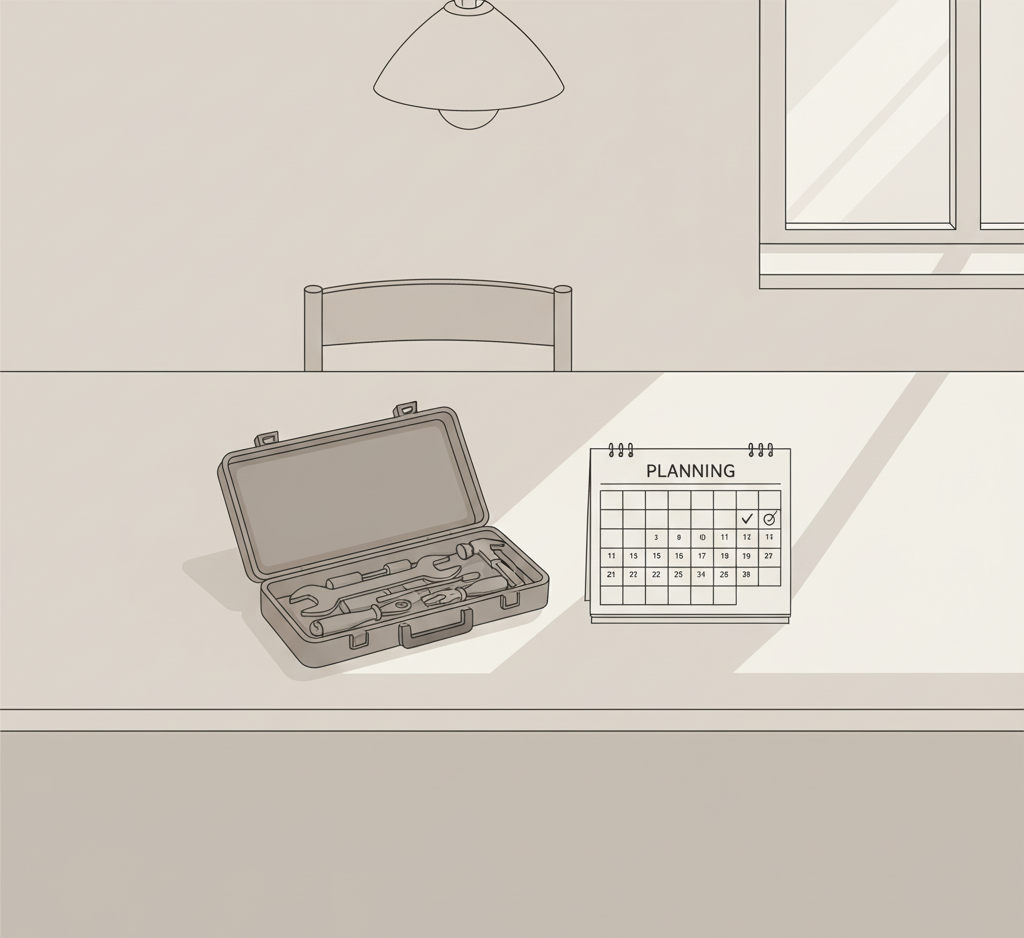
Preparation is not panic. It is care with a calendar.
Receipts
Frequently Asked Questions
Why is preparation is protection an important idea?
Preparation is protection because it reduces the damage caused by disruption. A plan gives families and institutions more time, more options, and better judgment under pressure.
How can families prepare without a lot of money?
Families can begin with low-cost steps: organize key documents, confirm emergency contacts, identify backup childcare, save local resource numbers, and create a basic communication plan.
Why does preparedness matter for public policy?
Preparedness helps public systems reduce downstream costs. Early support can prevent larger expenses tied to eviction, job loss, food insecurity, and emergency intervention.
Does community preparedness replace government responsibility?
No. Community preparedness supports faster response, but it should not replace public responsibility. Strong communities and effective institutions should work together.
What is the biggest mistake people make about preparation?
The biggest mistake is waiting for crisis before building structure. By then, options shrink. Preparation works best before pressure arrives.