Structure sustains trust. Listening preserves it.
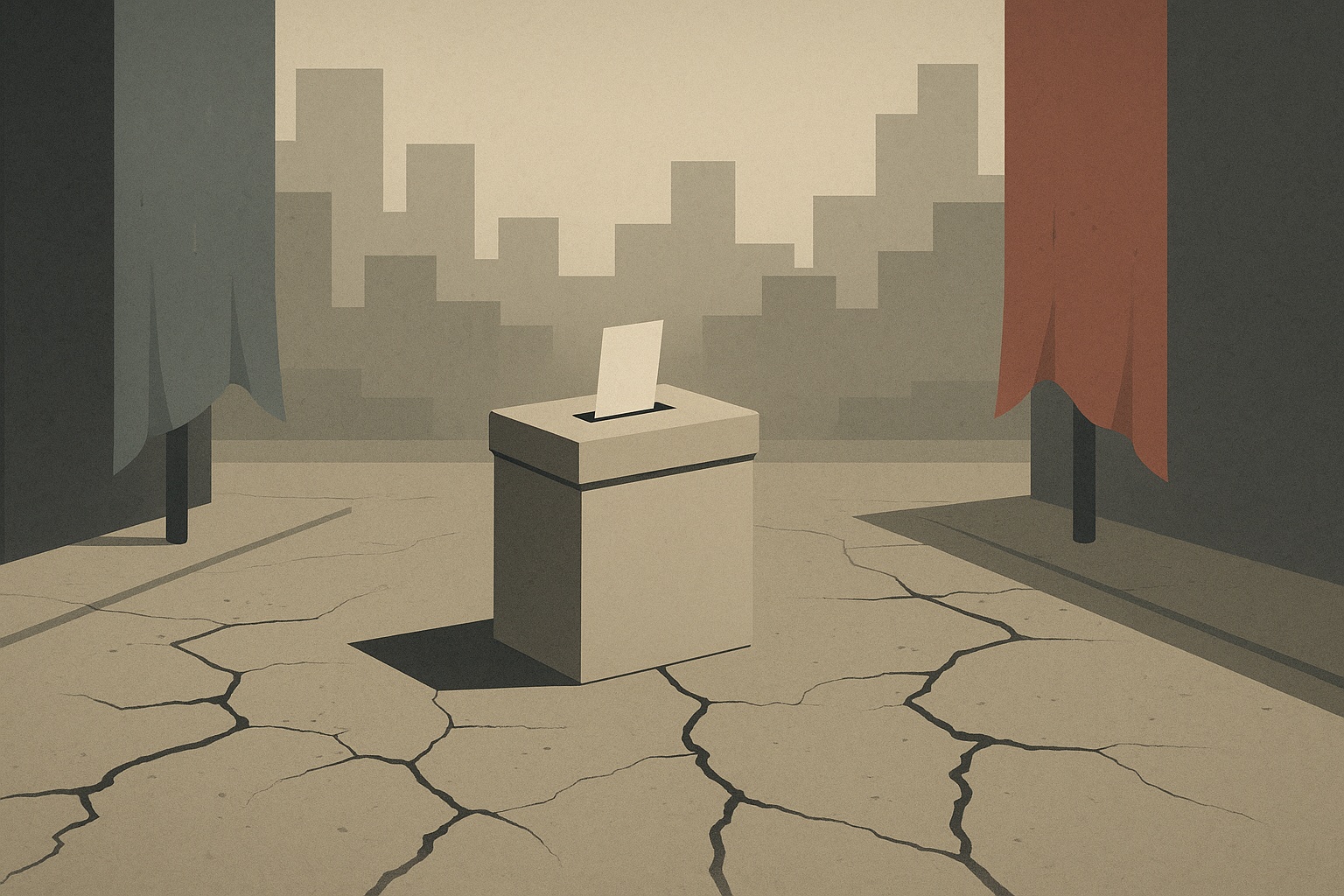
Voter disconnect is not just frustration. It is a structural failure in how institutions receive and respond to public input. When people say they feel unheard, they are often describing a broken feedback loop between lived experience and policy output.
Voter Disconnect: What’s Happening
Recent polling shows widening frustration across party lines. A Pew Research Center study found that more than two-thirds of Americans believe both major parties are disconnected from daily realities. This is not a messaging issue. It is a systems issue.
Campaigns gather input through polls, donations, and turnout. Governance processes that input through committees, agencies, and timelines. The breakdown happens in translation. By the time decisions are made, the signal has often been filtered, delayed, or redirected.
Why It Matters
Political alignment is shifting along economic lines. Working-class voters are moving away from traditional party structures. Higher-income voters are consolidating differently. According to the Brookings Institution, this is not temporary movement. It reflects a long-term restructuring of political incentives.
When institutions optimize for donors, media cycles, or ideological signaling instead of material outcomes, trust decays. Not because people stop caring, but because they stop seeing results.
→ Civic Engagement Discipline
The System Failure
There are three primary failure points in the civic feedback loop:
- Signal distortion: Voter needs are simplified into talking points that lose specificity.
- Time lag: Policy timelines move slower than economic pressure on households.
- Access imbalance: Organized groups maintain influence while casual participants drop off.
When these three factors combine, outcomes begin to diverge from intent. People vote for relief but experience delay. They vote for change but encounter continuity. Over time, expectation and reality separate.
Real-World Scenario: Budget vs Reality
A city campaigns on affordability. Voters respond. The administration wins. Months later, the budget process begins. Housing support, enforcement, and subsidies are debated across departments. Without consistent public pressure, line items shift. Funding gets reduced, delayed, or redirected.
The result is predictable. The campaign promise exists. The lived experience does not match it.
This is where voter disconnect becomes visible. Not in the vote itself, but in the gap between approval and execution.
Local Action Is Structural Leverage
Closing the gap requires sustained participation at the point where decisions are made. That means local boards, budget hearings, zoning meetings, and agency reviews. These are not symbolic spaces. They are operational ones.
- Track one policy that affects your household.
- Engage before decisions finalize, not after.
- Attend or review at least one local meeting per month.
- Coordinate with others to maintain consistent presence.
Participation changes behavior when it is repeated. Systems respond to patterns, not spikes.
Only about 60% of eligible Americans vote in presidential elections and fewer than 30% participate locally. That gap is where influence concentrates. Every additional participant increases system friction against misalignment.
Implication
If the feedback loop remains broken, trust will continue to decline. Not because people reject the system, but because the system fails to reflect them. When output does not match input, disengagement becomes rational.
Repairing voter disconnect requires more than turnout. It requires continuity. The system must feel the public not just during elections, but during implementation.
Progress is not a moment. It is maintenance.
→ Discipline Before Dollars
The Groundwork
Voter disconnect is a signal of structural misalignment. Systems that do not convert lived experience into policy outcomes will lose trust over time. Civic stability depends on maintaining the connection between input and output.
The work does not end at the ballot. It begins there.
Read: System Updates – Public Trust