
Article Map
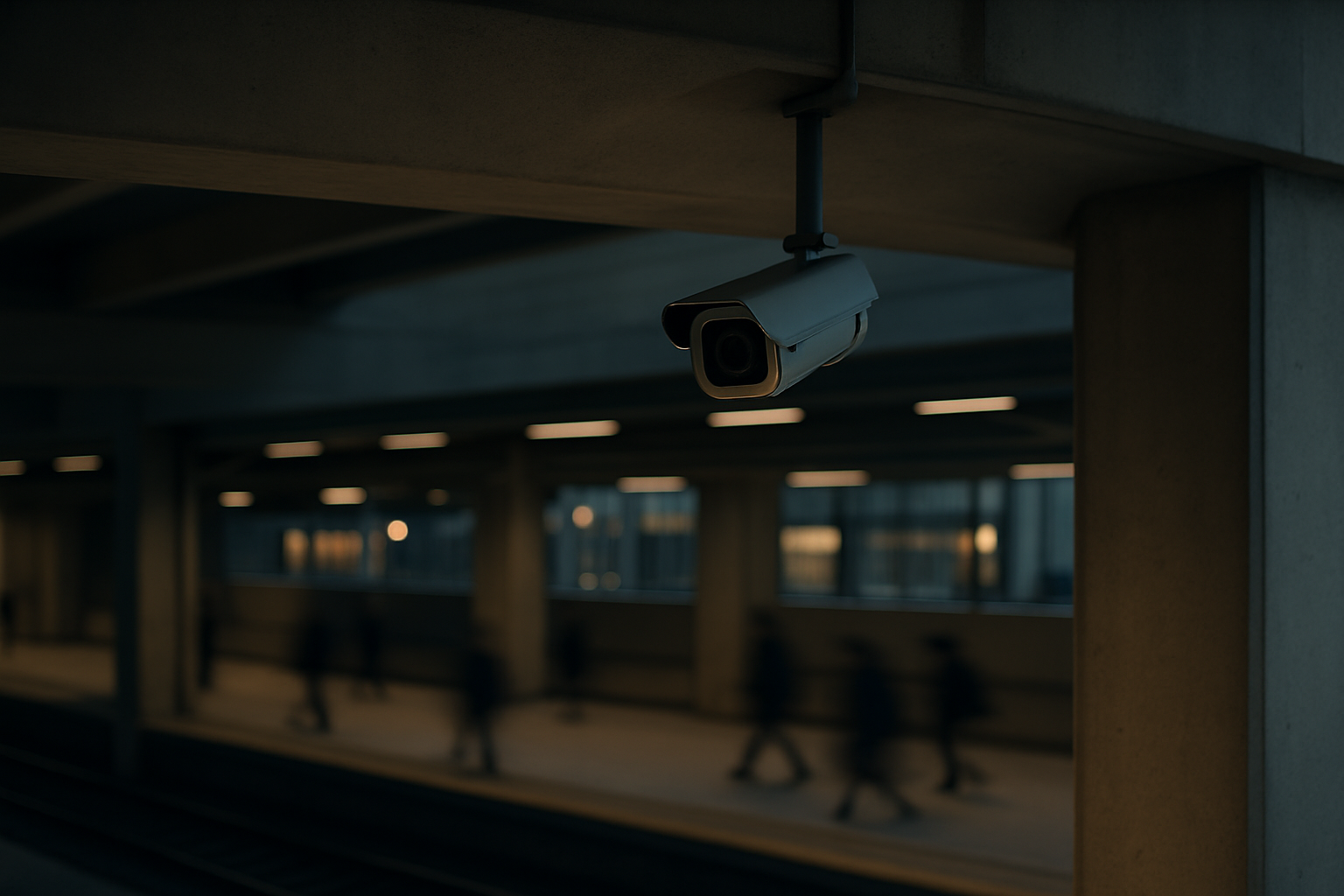
Virality is not just attention. It is informal record keeping at scale.
When Going Viral Becomes a Public Record
Virality feels fast and chaotic. It often starts as a joke, a clip, an argument, a mistake, or a moment nobody planned to defend. However, going viral functions like a public record. Once the internet picks up a moment, the person inside it does not return fully to private status. They enter a form of civic visibility that does not expire on demand.
That is the part people underestimate. Viral attention is not only embarrassment. It is structural exposure. A public moment becomes searchable, shareable, quotable, downloadable, stitched, clipped, reposted, archived, and reinterpreted by strangers who have no obligation to preserve context.
The consequence is not always punishment. Sometimes it is attention. Sometimes it is opportunity. Sometimes it is humiliation. But the deeper consequence is permanence. Once a moment becomes part of the network, it can outlive the event that created it.
Critical Note
This article is educational. It examines digital visibility, public behavior, platform incentives, reputation risk, and informal record keeping. It is not legal advice, privacy advice, employment advice, or crisis management guidance.
If a viral incident involves harassment, threats, defamation, stalking, employment consequences, criminal exposure, or personal safety concerns, qualified professional support may be necessary.
The New Public Record Is Informal
For decades, people understood public records as official documents. Court filings, property records, government reports, police records, licenses, meeting minutes, and agency documents carried formal weight because institutions created and preserved them.
Today, public records also have a cultural version. A clip can become a record even when no court, agency, or journalist created it. A person recorded in a public setting can become searchable because strangers distribute the evidence. The archive is no longer only institutional. It is social.
This does not mean every viral clip is accurate, fair, complete, or ethical. Many are not. A clip can lack context. It can distort sequence. It can flatten a person into their worst ten seconds. Still, once it circulates, it exists as a usable reference point for the public.
Public Moment
↓
Recording
↓
Upload
↓
Replication
↓
Searchability
↓
Informal Public Record
Platforms Function Like Decentralized Clerks
People often describe viral attention as embarrassing or frustrating. In civic terms, it is more than that. Platforms function as decentralized record keepers. When a clip circulates, the internet behaves like a network of clerks who duplicate the file, store it, categorize it, discuss it, and attach meaning to it.
No single person controls the file once the network takes over. One account posts it. Another downloads it. A third adds commentary. A fourth clips a different angle. A fifth turns it into a meme. A sixth uploads it to another platform. By then, deletion by the original poster may no longer matter.
This is why “take it down” often fails as a strategy. Removal from one location does not guarantee removal from the network. Once copies exist across platforms, the moment becomes distributed. The person inside the clip is no longer dealing with one audience. They are dealing with an archive built by repetition.
Context Collapse Is the Core Risk
The biggest danger in viral visibility is context collapse. A moment created in one setting gets judged in another. A joke meant for friends becomes evidence for strangers. A heated exchange becomes a moral biography. A partial clip becomes the whole story.
Context collapse makes ordinary interpretation more dangerous. Viewers do not know the history, relationship, prior provocation, emotional state, local setting, or full sequence of events. Still, they feel licensed to judge because the clip is public.
That is where virality becomes civic. The public begins acting as a jury without procedure. There is evidence, but no rules of evidence. There is judgment, but no due process. There is punishment, but no consistent standard. The crowd creates consequences before institutions can verify facts.
System Updates Principle: A viral clip is not the same as a full record. But once it circulates, it can function like one.
The Internet Does Not Forget on Command
Platforms do not forget simply because a person regrets the moment. Users do not archive responsibly. Search engines do not retire material because the person involved has changed. Reaction channels do not always update when new facts emerge. Screenshots do not expire.
This creates a gap between human growth and digital permanence. A person can mature, apologize, learn, repair, and move on. Yet the digital archive may continue presenting the old moment as current evidence of character.
That is not fair. But it is the system. Digital memory is often longer than social mercy. Therefore, public behavior now carries more weight than previous generations had to manage. A small moment can become durable because the network turns it into content.
Reputation Becomes a Network Asset
Reputation used to be more local. A mistake might spread through a workplace, school, neighborhood, or family. Today, reputation can scale beyond the original community in minutes. A stranger can discover a person through a clip before they ever meet them.
This changes the risk environment. Employers, schools, clients, dates, neighbors, and institutions may encounter a digital fragment before they encounter the person. The clip becomes a first impression. It may be incomplete, but it still shapes perception.
This is why viral visibility is not only a social issue. It can become an economic issue. It can affect employment, business relationships, admissions, partnerships, credibility, and social trust. The internet does not merely watch. It files.
Public Space Now Includes Cameras
The civic lesson is simple. Visibility is not neutral. A person who enters public space now enters a zone where cameras operate without coordination and strangers can become distributors.
This does not mean people should live in fear. That would be a weak response. It means people need a more accurate model of public behavior. Public space is no longer only the sidewalk, classroom, transit station, meeting, restaurant, or event. Public space now includes the network that can capture and redistribute what happens there.
That changes the discipline required. The question is no longer only, “Can people see me?” The better question is, “Could this moment survive being seen by people who do not know me, do not like me, and do not care about context?”
Why Accountability and Cruelty Get Confused
Viral exposure often gets defended as accountability. Sometimes it is. Public evidence can expose abuse, harassment, corruption, racism, violence, fraud, or hypocrisy that institutions ignored. Cameras have documented real harm that would otherwise have been denied.
However, accountability can become cruelty when the crowd stops caring about proportion, context, correction, or truth. Not every mistake deserves permanent humiliation. Not every awkward moment deserves national attention. Not every bad sentence deserves lifelong searchability.
This is the difficult balance. Public visibility can protect people from hidden abuse. It can also produce excessive punishment for imperfect human behavior. A healthy civic culture must recognize both truths.
Recognition Skill
After reading this System Update, you should recognize when virality is functioning like an informal public record.
Ask five questions:
- Who recorded the moment?
- What context is missing?
- Who benefits from circulation?
- Can the person correct the record?
- Will the clip remain searchable after the moment passes?
If a moment can be copied, searched, and reused without context, it has moved from attention into archive.
The System: Updated
Going viral is not just a burst of attention. It is entry into an informal public record system. The public may laugh, judge, debate, defend, punish, or forget. But the network may still preserve the file.
That permanence changes the meaning of public behavior. It also raises the responsibility of the viewer. Before sharing a clip, ask whether the moment reveals a real public concern or simply turns someone’s worst seconds into entertainment.
The person being recorded needs discipline. The person sharing needs judgment. The platform needs better context systems. The public needs restraint.
Visibility is not neutral. Once a moment becomes viral, it belongs partly to an archive that nobody fully controls. That is the system now.
Further Groundwork
Receipts
Stay Grounded
Build institutional literacy. Get weekly systems analysis across media, governance, culture, and civic life.
About System Updates
System Updates is Groundwork Daily’s flagship civic systems series.
Each article examines the institutional logic beneath everyday events, public debates, and cultural patterns. Rather than focusing on personalities or headlines, the series explains how incentives, governance, norms, and feedback loops create predictable outcomes across society.
The objective is not simply to understand what happened. It is to recognize why similar outcomes continue to emerge across different institutions, communities, and moments in time.
Systems become easier to improve once they become easier to see.
Meet the Builder

Langston Reed
Builder, System Updates
Langston Reed examines the systems most people experience but rarely notice. Rather than reacting to headlines, he analyzes the institutional architecture beneath them, tracing how incentives, governance, public policy, organizational behavior, and civic norms shape everyday outcomes.
His work is designed to strengthen institutional literacy by helping readers recognize recurring structural patterns before they become tomorrow’s crises. Every article asks the same underlying question: What system produced this outcome?