
Money Monday | Economy & Ownership
How to Build Generational Wealth as a Black Family
How to build generational wealth as a Black family is not a motivational question. It is an infrastructure question.
That distinction matters because wealth does not survive on ambition alone. It survives through systems. Income helps. Talent helps. Opportunity helps. However, without discipline, documentation, ownership, insurance, succession planning, financial literacy, and family governance, money leaks. It gets spent, divided, exposed, mismanaged, or lost in transition.
For Black families, the issue carries additional weight. The history is not neutral. Discriminatory lending, property exclusion, wage gaps, predatory financial products, underinsurance, and unstable access to capital have shaped the terrain. Pretending otherwise is unserious. Stopping there is also unserious. Diagnosis is not strategy.
The move is not to romanticize wealth. The move is to build a family operating system strong enough to hold it.
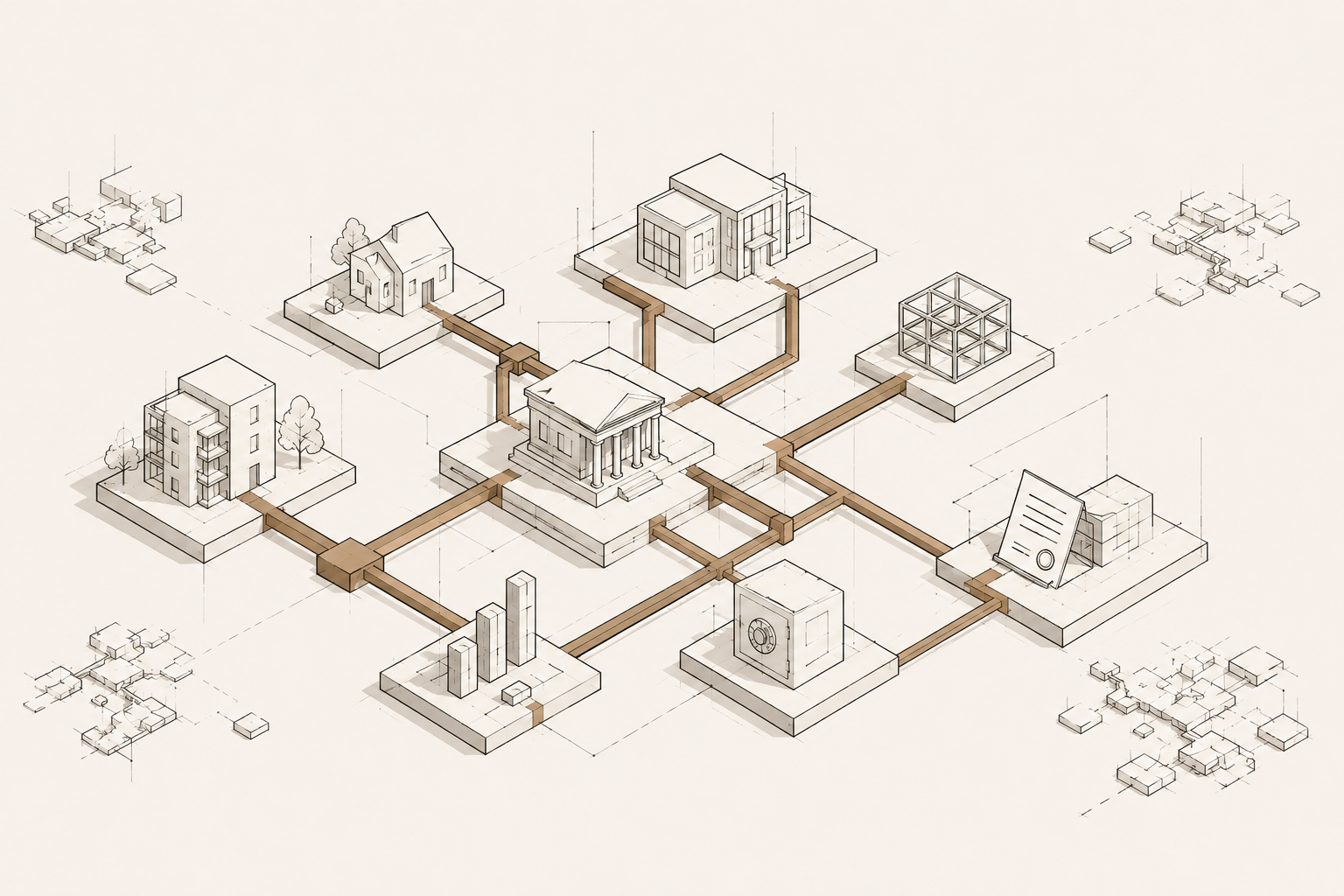
Generational wealth is not one asset. It is a coordinated system of ownership, cash flow, protection, knowledge transfer, and succession.
What Generational Wealth Really Means
Generational wealth is often described too narrowly. People reduce it to real estate, inheritance, business ownership, or a large investment account. Those things matter, but they are only pieces of the system.
Generational wealth means one generation builds assets, knowledge, habits, documents, relationships, and protections that improve the next generation’s starting position.
That starting position matters. A child who inherits a paid-off home starts differently from a child who inherits eviction risk. A young adult with family financial guidance starts differently from one learning through overdraft fees, emergency loans, and trial by fire. A family with insurance, wills, trusts, and clear records moves differently when someone dies than a family forced to improvise during grief.
Generational wealth is not only money passed down. It is pressure removed. It is confusion reduced. It is opportunity made less fragile.
The weak version of generational wealth is hoping children become successful. The strong version is building systems that make stability more likely before they ever step into the marketplace.
Why the Black Family Wealth Conversation Needs Structure
The Black wealth conversation often gets pulled in two bad directions.
One side talks only about barriers. That is incomplete because barriers explain pressure, but they do not create a plan.
The other side talks only about mindset. That is also incomplete because mindset without structural protection is fragile. Positive thinking does not clear title. Motivation does not create a will. Hustle does not guarantee insurance coverage. Confidence does not stop a forced sale of inherited property.
The serious position is sharper: Black families need structural literacy.
Structural literacy means understanding how assets are acquired, protected, documented, financed, transferred, and governed. It also means understanding where wealth disappears. Wealth disappears through consumer debt, lifestyle inflation, probate, unclear ownership, underinsurance, poor tax planning, family conflict, and informal arrangements that collapse when pressure arrives.
This is why how to build generational wealth as a Black family has to be handled as an anchor question. It is not one article floating alone. It is the doorway into a larger operating system.
Why Discipline Comes Before Dollars
Money without structure accelerates whatever habits already exist.
If a family has no budget rhythm, more money creates more spending. If a household has no emergency fund, more income still leaves it vulnerable. If there is no estate plan, more assets simply create more conflict when someone dies. If a family avoids financial conversations, wealth becomes private, mysterious, and poorly transferred.
This is why discipline before dollars is not a slogan. It is a financial survival rule.
Before a family can preserve wealth, it must learn to govern behavior. That means tracking income, controlling lifestyle inflation, understanding debt, documenting ownership, protecting assets, and meeting regularly enough to keep everyone aligned.
Discipline is not restriction. That is the shallow read. Discipline is protection. It keeps one good season from being wasted. It keeps one emergency from becoming a collapse. It keeps one inheritance from becoming a family war.
Black families trying to build wealth cannot afford vague ambition. The margin is too thin. The system must be explicit.
A family that cannot govern spending will struggle to preserve ownership. A family that cannot discuss money will struggle to transfer wealth.
Ownership Is the First Layer
Ownership is the backbone of generational wealth.
Not visibility. Not status. Not luxury. Ownership.
A family builds wealth by owning assets that can appreciate, produce income, reduce dependency, or create strategic flexibility. This includes homes, land, businesses, retirement accounts, brokerage accounts, intellectual property, life insurance policies, and sometimes equipment or tools tied to skilled labor and entrepreneurship.
But ownership has to be real. A car with a high payment is not wealth. A house with no maintenance fund can become a liability. A business with no books, no contracts, and no succession plan is fragile. A family property with unclear title can become trapped in legal confusion.
Weak thinking says, “Buy assets.” Strong thinking asks, “Can this asset be maintained, protected, documented, transferred, and used strategically?”
That is the standard.
For many Black families, homeownership remains a major wealth-building tool because it combines shelter, equity, neighborhood access, and long-term appreciation. However, homeownership alone is not enough. The property must be insured. The mortgage must be managed. The title must be clear. Maintenance must be planned. The inheritance path must be documented.
Otherwise, the house becomes a symbol, not a system.
Cash Flow Keeps the Structure Alive
Assets matter, but cash flow keeps the system breathing.
A family can own property and still be financially stressed if there is no liquidity. A business can look successful and still fail because cash is trapped, late, or poorly managed. A household can earn well and still live one interruption away from crisis.
Generational wealth requires cash flow discipline. That means the family understands what comes in, what goes out, what must be protected, and what can be deployed.
At minimum, a family wealth system needs four cash zones:
- Operating cash: money for regular household needs.
- Emergency cash: money reserved for disruption.
- Investment cash: money assigned to future growth.
- Opportunity cash: money available for strategic moves.
Most families collapse these categories into one checking account and then wonder why money feels chaotic. That is not a mystery. That is bad architecture.
Money needs lanes. Without lanes, every dollar becomes available for every emotion, emergency, and impulse.
Protection Prevents Wealth From Leaking
Building wealth is only half the work. Protecting it is the part many families avoid until it is too late.
Protection includes insurance, estate planning, legal documents, tax planning, beneficiary reviews, business structures, emergency reserves, and clear records.
This is where too many families get casual. Casual becomes costly.
A person dies without a will. A home enters probate. Siblings disagree. A life insurance beneficiary is outdated. A business has no operating agreement. A parent assumes the children “know what to do.” They do not. Grief is not a governance structure.
Every wealth-building family needs a basic protection file. That file should include:
- Will or trust documents
- Life insurance policies
- Property deeds and mortgage records
- Business formation documents
- Retirement account beneficiaries
- Bank and investment account inventory
- Debt records
- Tax records
- Emergency contacts
- Instructions for accessing key information
This is not glamorous. Good. Glamour is not the goal. Continuity is.
Succession Turns Assets Into Legacy
Succession is where wealth either becomes legacy or falls apart.
Every family says it wants to leave something behind. Fewer families build the mechanism that makes the transfer clean.
Succession asks direct questions:
- Who receives what?
- Who manages shared assets?
- What happens if someone wants to sell?
- What happens if someone cannot contribute?
- How are taxes, maintenance, and insurance handled?
- Who has decision authority?
- Where are the documents?
A family that avoids these questions is not being loving. It is exporting conflict to the next generation.
Succession planning is not only for wealthy families. That is a dangerous misconception. Families with fewer assets often need clearer documents because there is less room for error.
One house can divide a family. One unclear beneficiary form can redirect years of sacrifice. One undocumented business can disappear when the founder is gone.
Legacy requires paperwork. That may not sound poetic, but it is true.
The Full Generational Wealth Pathway
This article is the anchor point. The deeper supporting pieces move readers through the full wealth-building system in sequence. Each article answers one specific part of the larger question: how do families build, protect, compound, and transfer wealth without losing the structure along the way?
Estate Planning Is Infrastructure
Protects assets from probate confusion, unclear transfer, and inheritance breakdown.
Why Stocks Matter for Black Wealth
Explains why long-term equity ownership matters beyond wages and homeownership.
Homeownership Alone Cannot Close the Gap
Shows why housing matters but cannot carry the full wealth-building burden alone.
Business Ownership Is a Wealth Multiplier
Frames business equity as a scalable asset beyond individual labor.
The Hidden Cost of Appraisal Bias
Breaks down how undervaluation limits equity, leverage, and long-term asset growth.
Heirs’ Property and Black Land Loss
Explains how unclear title and fragmented ownership destroy generational land transfer.
Group Economics Without Fantasy Thinking
Separates real cooperative economics from slogans by focusing on governance and accountability.
Why Starting Capital Changes Everything
Shows how unequal starting positions shape risk, recovery, opportunity, and compounding.
Generational Wealth Psychology
Explains how families transfer habits, scarcity patterns, time horizons, and financial behavior.
The Family Wealth Action Plan
Trying to build everything at once is a mistake. That is how people get overwhelmed and quit. Start with sequence.
Step 1: Stabilize the Household
Stability comes first. Build a budget rhythm. Reduce destructive debt. Create an emergency fund. Stabilize housing. Track the real cost of the household every month.
A family cannot build generational wealth if every interruption becomes a crisis.
Step 2: Protect the Foundation
Protection comes before expansion. Review insurance, beneficiaries, wills, trusts, titles, business documents, and emergency contacts. A family should know what exists, who controls it, and what happens if the primary decision-maker is gone.
Step 3: Build Ownership
Ownership should be intentional. A home, business, investment account, or intellectual property asset should be evaluated by one standard: does it improve the family’s long-term position?
Step 4: Create Investment Habits
Investing should not be treated as gambling, trend chasing, or status performance. It should be boring, consistent, and aligned with the family’s risk tolerance and timeline.
Step 5: Transfer Knowledge Early
Children and younger relatives should learn how money works before they are forced to learn through mistakes. Teach budgeting, banking, taxes, credit, investing, insurance, home maintenance, business basics, and negotiation.
Information is part of inheritance.
Step 6: Hold a Family Wealth Review
Once a year, the family should review major assets, debts, documents, insurance coverage, and goals. This is not a family argument. It is maintenance.
Weak systems wait for crisis. Strong systems audit before crisis.
Common Mistakes That Destroy Generational Wealth
The first mistake is confusing income with wealth. Income is what comes in. Wealth is what remains, grows, and transfers.
The second mistake is lifestyle inflation. Every raise becomes a bigger car, bigger apartment, bigger vacation, or bigger monthly obligation. That is not progress. That is cash flow capture.
The third mistake is avoiding estate planning. This is one of the most expensive forms of procrastination.
The fourth mistake is treating children as the plan. Children are not retirement accounts. They should inherit structure, not financial panic.
The fifth mistake is refusing to talk about money. Silence does not create protection. It creates confusion.
The sixth mistake is investing before stabilizing. Investing is important, but investing while the household is structurally unstable can create forced selling, missed payments, and unnecessary stress.
The seventh mistake is chasing fast money. If the opportunity cannot be explained clearly, documented properly, and evaluated calmly, it is probably not a wealth plan. It is a trap wearing a suit.
The Groundwork
How to build generational wealth as a Black family comes down to this: build the system before the money arrives, then make the money obey the system.
That means no vague ambition. No secretive finances. No undocumented assets. No inheritance left to memory. No luxury pretending to be progress. No emotional spending disguised as celebration.
Build the household budget. Build the emergency fund. Build the ownership plan. Build the protection file. Build the family meeting rhythm. Build the estate plan. Build the skill transfer process. Build the investment habit. Build the standard.
Wealth does not become generational because someone made money. Wealth becomes generational because someone built structure around it.
That is the work.
Receipts
Federal Reserve: Survey of Consumer Finances
The Federal Reserve’s Survey of Consumer Finances is a primary source for household wealth, asset ownership, debt, retirement accounts, and racial wealth gap data.
Read the Federal Reserve SCF data
FDIC: National Survey of Unbanked and Underbanked Households
The FDIC tracks bank account ownership, mainstream credit access, and use of alternative financial products across U.S. households.
Read the FDIC household banking survey
Fannie Mae: Heirs’ Property Research
Fannie Mae explains how heirs’ property can form when ownership transfers without clear title, creating risks for families trying to preserve home equity.
Read the Fannie Mae heirs’ property report
Urban Institute: Tangled Titles and Estate Planning
Urban Institute research explains how unclear property ownership can threaten wealth preservation and increase legal vulnerability for homeowners.
Read the Urban Institute report
National Consumer Law Center: Heirs’ Property
NCLC outlines how heirs’ property can create forced-sale risk and undermine wealth retention in communities of color.
Read the NCLC heirs’ property report
FAQ
What is generational wealth?
Generational wealth is the transfer of assets, knowledge, systems, and protections from one generation to the next. It includes money, property, investments, business ownership, estate planning, and financial habits.
How can Black families start building generational wealth?
Start with financial structure. Build a budget, reduce destructive debt, create an emergency fund, protect the household with insurance, document assets, and begin investing consistently.
Is homeownership enough to build generational wealth?
No. Homeownership can be a powerful wealth-building tool, but it must be supported by maintenance planning, insurance, clear title, estate documents, and a transfer plan.
Why is estate planning important for Black families?
Estate planning protects assets from confusion, probate delays, family conflict, and unintended transfers. It turns inheritance into a managed process instead of a crisis.
What is the biggest threat to generational wealth?
The biggest threat is lack of structure. Wealth leaks through poor documentation, unmanaged debt, unclear ownership, lifestyle inflation, missing insurance, and no succession plan.
What is the first step in how to build generational wealth as a Black family?
The first step is household stability. A family should create a budget rhythm, build emergency savings, reduce destructive debt, and document its current financial position before expanding into larger wealth-building moves.

This article is part of the broader Generational Wealth Architecture framework from Groundwork Daily. The framework examines how ownership, investing, estate planning, governance, protection systems, succession, and long-term family continuity work together to build durable intergenerational stability. Explore the complete architecture to understand how each layer connects into a larger wealth preservation system.