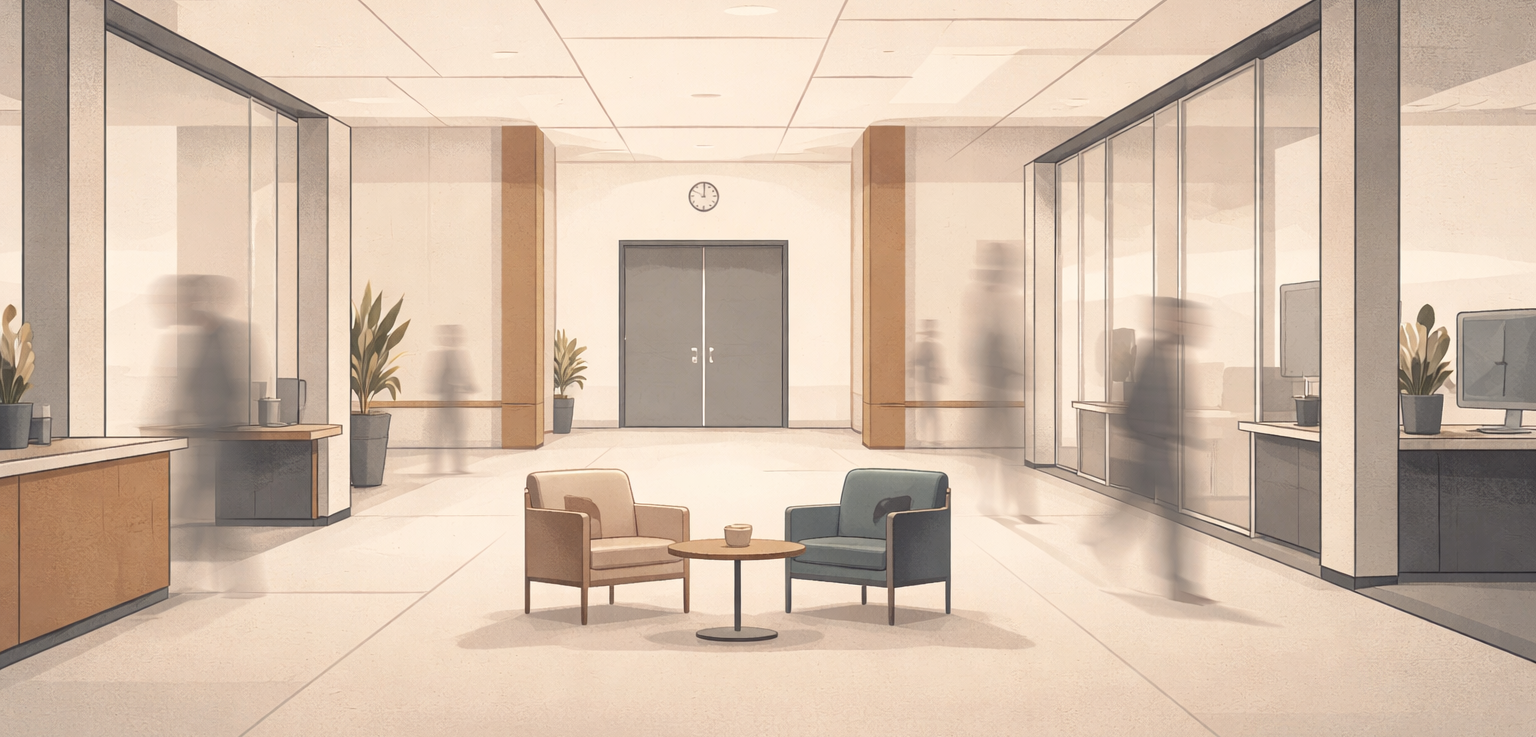
At some point, “busy” stopped being a description and became a defense.
That shift happened quietly.
Nobody announced it.
There was no meeting.
No cultural memo arrived explaining that exhaustion would become aspirational.
Still, somewhere along the way, being overwhelmed stopped sounding concerning and started sounding impressive.
People began wearing schedules the way earlier generations wore titles.
Busy became evidence.
Evidence of ambition.
Evidence of usefulness.
Evidence that your life mattered.
Eventually, it became difficult to separate value from availability.
Busy Became Social Proof
We reward people for being unavailable.
People apologize less for exhaustion than for rest.
Meanwhile, full calendars receive admiration while margin receives suspicion.
That changes behavior.
People stop asking whether life feels meaningful and begin asking whether it looks active.
Someone says they had a calm week and the room responds with concern.
Someone says they are overwhelmed and suddenly they sound important.
Interesting.
In that environment, opting out starts to feel risky.
Rest begins to look lazy.
Saying no without explanation starts sounding rude.
Because of that, people invent reasons.
They stay booked to avoid questions.
Sometimes staying overwhelmed feels safer than finding out what actually matters.
They stay busy to avoid choosing.
And after enough repetition, the explanation becomes identity.
The Permission to Be Busy Is the Real Problem
The problem is not time.
It is permission.
Permission to slow down.
Permission to prioritize without apologizing.
Permission to admit that not everything deserves access.
Most people already know what they want to change.
The harder part is not awareness.
It is permission.
Permission to disappoint expectations.
Permission to leave systems that reward availability.
Permission to admit some responsibilities were accepted automatically and never reviewed.
Because once priorities become visible, other things become visible too.
You realize how much of your schedule was inherited.
You realize how many obligations survived because nobody questioned them.
You realize how often activity existed because saying yes felt easier than explaining no.
And sometimes you realize exhaustion became easier to defend than selectiveness.
That realization changes things.
People notice.
You seem different.
You disappeared.
You changed.
Maybe.
Or maybe the schedule finally started matching the values.
That is usually the moment where clarity starts feeling strangely personal.
Not because anything became cruel.
Usually because availability stopped being automatic.
Busyness Is Sometimes Avoidance Wearing Professional Clothes
People hide in activity.
Meetings.
Updates.
Quick calls.
Quick syncs.
Calendars that require scrolling.
Movement can feel close enough to progress that eventually the distinction disappears.
After a while, people stop measuring whether something matters and start measuring whether something feels productive.
Busy becomes emotional camouflage.
Not because people are dishonest.
Usually because movement delays difficult decisions.
If you keep moving, nobody asks whether you are moving toward anything.
Including you.
That does not make the work meaningless.
However, motion is not proof.
A person can be exhausted and still untouched.
A schedule can be full and still avoid the thing that matters.
That is often where the explanation begins losing credibility.
And eventually, busyness becomes part of the identity itself.
Permission Changes the Story
The strange thing is that most people are not waiting for more hours.
They are waiting for emotional permission.
Permission to leave early.
Permission to stop performing usefulness.
Permission to let something go unfinished.
Permission to choose differently without preparing a presentation explaining the decision.
That is why clarity feels disruptive.
It removes negotiation.
It asks quieter questions.
Do you actually want this?
Would you choose this again?
If nobody praised this version of busy, would you still keep it?
Those questions change things.
Not dramatically.
Structurally.
People say they want freedom.
Often they want permission.
Those are not the same thing.
Freedom means the door is open.
Permission means someone else still approves whether you walk through it.
Eventually one of those has to go.
The Groundwork
- Notice what you keep asking permission to protect.
- Separate activity from progress.
- Remove one obligation that exists mostly to preserve appearances.
- Review your calendar before reviewing your goals.
The moment you stop asking permission to protect your time, the whole story changes.
Not overnight.
Not dramatically.
But structurally.
And yes.
That’s still us.
But funnier.
Further Groundwork