

A strong fitness plan does not ask every body to fit the same template. It keeps the training principles that work and adjusts the system around the person who has to live with it.
Fitness for Black women deserves a better conversation than generic workout advice wrapped in more representative photography. Black women do not need a separate law of exercise physiology. They do need fitness systems intelligent enough to recognize that the same recommendation can land very differently depending on health, access, time, stress, recovery, money, caregiving, environment, and personal history.
Strength training still builds strength, while aerobic activity still supports cardiovascular fitness. Progressive training remains important, and so does recovery. Yet those principles are only useful when a person can apply them repeatedly inside an actual life. For that reason, program design cannot stop at sets, repetitions, minutes, or calories.
A woman may be balancing unpredictable work hours, family responsibilities, hair maintenance, a long commute, limited equipment, previous injuries, poor sleep, chronic stress, or a fitness space where she never quite feels welcome. None of those conditions automatically prevents progress. However, they change the cost of following the plan, which means they belong in the design conversation.
That distinction protects the argument from two bad extremes. One extreme pretends everybody enters fitness with identical conditions. The other turns race into biological destiny. Neither is useful. A better approach takes disparities and lived experience seriously while still treating each woman as an individual.
Fitness for Black Women Begins With Better Program Design
Fitness advice often starts by interrogating motivation. How badly do you want the result? Are you disciplined enough? Will you make the sacrifice? Those questions are not meaningless, but they are incomplete because they assume behavior begins with attitude rather than conditions.
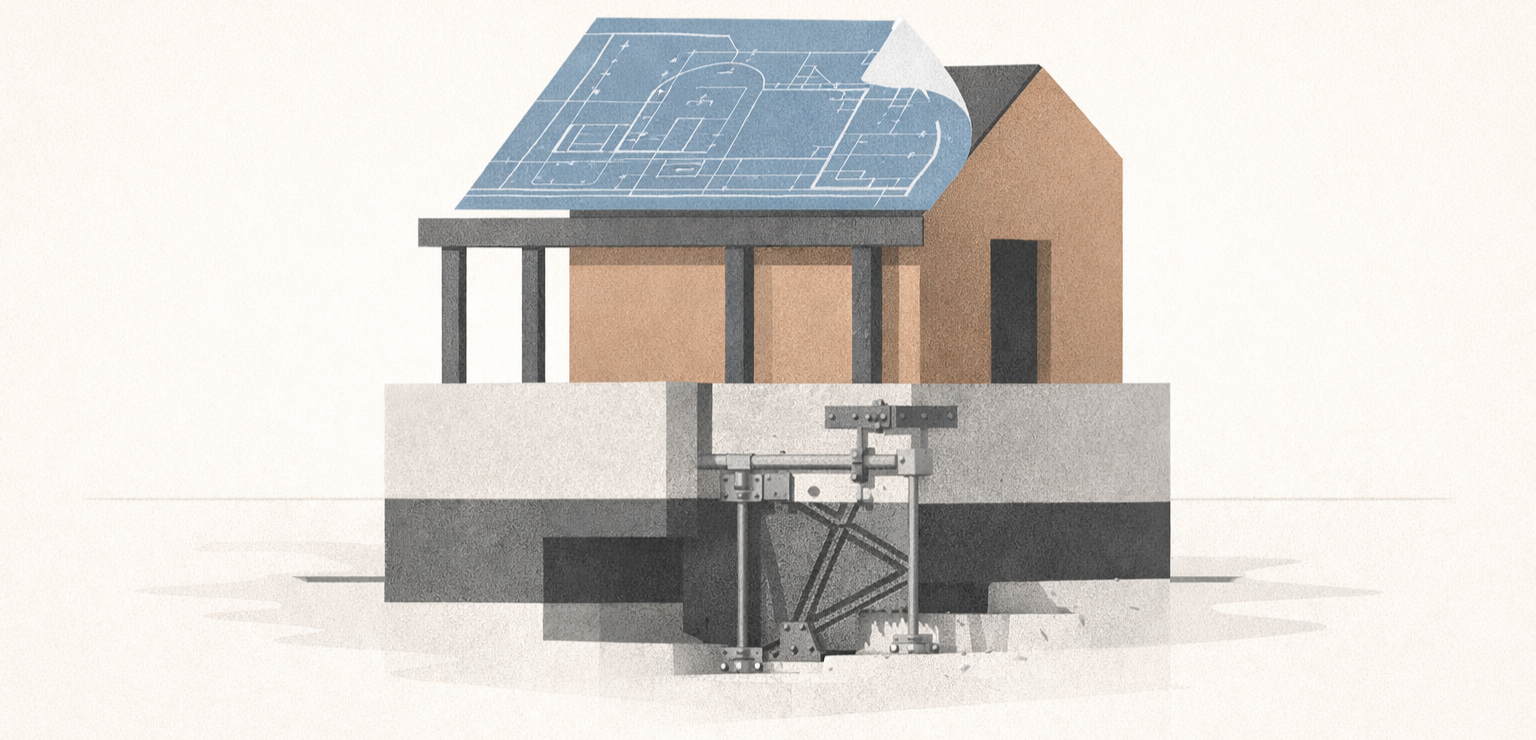
In reality, every workout plan sits inside a larger operating system. There is a schedule around it, a body carrying it, a budget supporting it, and a life competing with it. Consequently, the quality of a program cannot be judged only by whether the exercises are technically sound.
Imagine a program that requires five gym visits each week. On paper, it may be beautifully designed. Yet if the person has a rotating work schedule, a long commute, childcare responsibilities, and no convenient gym, the same program may create more logistical strain than useful training.
At that point, demanding more willpower misses the actual problem. The exercises may be fine. The architecture around them is not.
Fitness for Black Women Cannot Become One Racial Formula
Any useful discussion of fitness for Black women has to acknowledge enormous variation inside the group. Age, disability, training history, pregnancy, postpartum recovery, menopause, injury, medication, sleep, health status, and personal goals can all change what appropriate training looks like.
Preference matters as well. One woman may want to increase strength because she enjoys lifting. Another may care most about cardiovascular endurance. Someone else may be returning to exercise after years away, training for a race, or simply trying to move through daily life with less fatigue.
A good system therefore starts with the individual instead of treating racial identity as a shortcut to programming. Otherwise, inclusive fitness simply becomes another form of one-size-fits-all thinking.
Population patterns are not individual prescriptions
Population health disparities can reveal where conditions deserve closer attention. They can point toward differences in access, exposure, healthcare, economic pressure, or disease burden. However, they do not tell you exactly what one woman needs from her next workout.
The distinction is important because good health writing should help readers understand context without turning group averages into personal destiny.
The Conditions Around Exercise Change the Cost of Consistency
Health does not begin at the gym door. The conditions around exercise influence whether movement is affordable, safe, appealing, available, and easy enough to repeat. Because of that, the same recommendation can demand very different levels of effort from different people.
Federal public-health data documents population-level health disparities affecting Black Americans. Those patterns matter, but they should not be reduced to an accusation that individuals simply failed to exercise enough. Social and economic conditions, healthcare access, neighborhood environments, stress, and opportunity are part of the broader system.
Fitness culture sometimes skips that analysis because “try harder” is easier to say. Yet telling someone to exercise five days a week is not an implementation plan. It becomes useful only after questions about time, transportation, safety, childcare, sleep, equipment, cost, and existing health needs have been addressed.
Equal advice can create unequal friction
Consider two women who receive identical advice to walk after work. One lives near a safe park, finishes at a predictable time, and has no evening caregiving responsibility. The other works changing shifts, takes two buses home, and arrives after dark. The recommendation is technically the same, but the execution cost is not.
Recognizing that difference does not eliminate personal agency. Instead, it improves strategy because the real constraint can finally be named.
Fitness Progress Needs More Than a Scale
Fitness culture often uses body weight as though it were a universal scoreboard. Weight can matter in some medical or personal contexts, but it does not describe the full range of physical adaptation.
Strength can increase while body weight changes very little. Cardiovascular fitness may improve without a dramatic visual transformation. Daily activities can become easier, recovery can improve, and movement can feel more capable even when none of those changes creates a striking before-and-after photograph.
Those improvements still count because progress should be measured against the goal. If the objective is strength, strength deserves to be measured. If endurance matters, endurance should be tracked. When consistency is the first objective, completed training sessions may tell you more than the scale does.
Evidence-Based Fitness for Black Women Does Not Need to Be Exotic
The basic foundation remains familiar. Current U.S. physical activity guidance recommends that adults work toward 150 to 300 minutes of moderate-intensity aerobic activity per week, 75 to 150 minutes of vigorous activity, or an equivalent combination. Adults are also advised to perform muscle-strengthening activity involving major muscle groups on at least two days each week.
Those numbers are population-level targets rather than an order to transform an inactive life overnight. In fact, the same guidance makes an important point that fitness culture often forgets: some physical activity is better than none, and people can build toward larger amounts over time.
That creates room for progressive training instead of punishment.
Build Strength Gradually
Free weights, machines, resistance bands, bodyweight movements, and other forms of resistance can all be useful. What matters most is a challenge appropriate to the person and enough progression to create adaptation.
Use Cardio to Build Capacity
Walking, swimming, dancing, cycling, running, sport, and cardio machines can all contribute. The goal is to improve capacity, not to use exercise as repayment for eating.
Change One Variable at a Time
Resistance, repetitions, duration, distance, or frequency can increase gradually. Changing everything at once creates fatigue without making it clear which adjustment caused the response.
More training is not automatically better training
A common mistake is increasing several demands at once. Someone adds more training days, heavier weights, longer cardio, stricter food rules, and earlier mornings during the same week. When fatigue rises, the program provides no clean signal about why.
Better programming is more deliberate. It allows the person to see how the body responds before another variable changes. As a result, progression becomes evidence-based rather than emotional.
Recovery Belongs Inside Fitness for Black Women
Exercise works because it creates a manageable physical demand and gives the body an opportunity to adapt. Training therefore cannot be separated from recovery. Sleep, nutrition, hydration, time between demanding sessions, and the stress already present in everyday life can all change how well a person responds.
This does not mean challenge should disappear. Hard training can be appropriate and productive. However, a training stress only remains useful when the surrounding system can absorb it often enough for progress to continue.
That is why Recovery Is a Performance Skill belongs beside this conversation. Recovery is not what happens when disciplined people stop training. It is one of the conditions that allows disciplined training to continue.
The Workout Is Not the Only Stress the Body Carries
Work, caregiving, finances, relationships, illness, grief, poor sleep, and long commutes can all add load before a training session even begins. Exercise can still support health during stressful periods, but useful programming should account for the fact that a body does not reset to zero when the workout starts.
A rigid plan asks only what today’s spreadsheet requires. A responsive plan also asks what the person can productively train and recover from right now. Sometimes the answer is still a hard session. At other times, slightly less volume, an easier aerobic session, or another recovery day may protect the larger training cycle.
Adjusting a plan is not proof that the plan failed. Often, adjustment is what competent programming looks like.
Hair Can Be a Real Fitness Design Consideration
Fitness conversations about Black women become strangely detached from real life when they dismiss hair as irrelevant. For some women, natural hair, braids, locs, straightened styles, wigs, weaves, and other hairstyles involve meaningful investments of money, time, maintenance, and planning.
Sweat and humidity can affect those routines. So can washing frequency, scalp care, workout timing, and the amount of time available afterward. None of that means Black hair prevents exercise. It means the plan has another recurring friction point that may deserve attention.
A woman might schedule certain training sessions around wash days, choose a hairstyle that better fits her activity, or change when she exercises. Another woman may not need to adjust anything. The point is not to create another rule. It is to notice the real-life variables that influence repetition.
Small frictions matter when they repeat
The same logic applies to transportation, childcare, gym culture, weather, equipment, cost, confidence, and schedule instability. A friction that looks minor once can become substantial when it appears three times every week.
Good design notices recurring friction before calling it a motivation problem.
Representation and Environment Can Affect Whether People Return
A gym can be technically excellent and still feel like a place someone does not want to revisit. People often find consistency easier in environments where they feel respected, competent, welcome, and able to participate without unnecessary scrutiny.
For some Black women, that may mean choosing a trainer who listens instead of stereotyping, finding a gym with broader representation, joining a community where different body types are normal, or choosing a form of movement that feels personally enjoyable.
These factors do not alter exercise physiology. They affect adherence, and adherence matters because physical adaptation requires repetition.
A theoretically perfect program that someone regularly avoids may accomplish less than a very good program she is willing to return to for years.
Discipline Should Not Turn Fitness Into Punishment
Fitness culture has a habit of treating punishment as proof of seriousness. Missed workouts become something to repay. Eating becomes something to burn off. Exhaustion becomes something to overcome simply because discomfort looks disciplined from the outside.
That is a weak definition of discipline. Useful discipline is not the ability to punish a body into compliance. It is the ability to repeat behaviors that create the desired adaptation, even after novelty disappears.
That requires effort, of course. It also requires judgment because the body is not an opponent standing between the person and the goal. The body is the infrastructure through which the goal has to be built.
Measure Fitness Progress Against the Outcome You Actually Want
Progress becomes easier to understand when the scoreboard matches the goal. Strength goals need strength measures. Cardiovascular goals need cardiovascular measures. Consistency can be tracked through completed sessions, while mobility goals require mobility measures.
Depending on the person, useful indicators may include:
- Training consistency over several weeks.
- Strength changes in selected movements.
- Walking or running distance and pace.
- Cardiovascular endurance.
- Mobility or range of motion relevant to the goal.
- Energy and recovery between demanding sessions.
- Sleep patterns when they materially affect training.
- How ordinary physical tasks feel over time.
Clinical measures belong in the appropriate healthcare context. Meanwhile, the training plan should use metrics that reveal whether the intended adaptation is actually occurring.
Use the Fitness for Black Women Design Audit
Generic fitness advice tells you what to do. A stronger system also asks whether the plan fits the person who has to carry it on an ordinary week.
The Fitness Design Audit
-
What is the actual goal?
Strength, endurance, cardiovascular health, mobility, body composition, stress management, daily function, athletic performance, or something else? -
What can you realistically repeat?
Design around an ordinary week rather than the week when motivation, sleep, time, and energy are all unusually high. -
What creates recurring friction?
Look at schedule, transportation, childcare, cost, hair maintenance, equipment, fatigue, confidence, discomfort, and the training environment. -
Which friction can be redesigned?
Shorter sessions, home training, walking, fewer training days, a different gym, different equipment, or another exercise format may change the cost of consistency. -
What is recovery telling you?
Notice whether the body is adapting to training or repeatedly entering the next demanding session already depleted. -
Are you measuring the right outcome?
Make sure the scoreboard reflects the actual goal instead of defaulting to body weight because it is easy to measure. -
What needs individualized professional guidance?
Health conditions, pregnancy, postpartum recovery, injuries, medication effects, persistent symptoms, or disabilities may change what exercise is appropriate. -
What one change can you test for a month?
Make one useful adjustment, gather evidence, and then decide what should change next.
Avoid redesigning the entire system at once. Too many changes create noise. One or two deliberate adjustments make it much easier to learn what is actually improving the program.
Know When General Fitness Advice Is Not Enough
General exercise recommendations cannot account for every health condition, injury, medication, disability, pregnancy, postpartum circumstance, or symptom. For that reason, some situations need individualized guidance before training intensity or volume changes substantially.
Acute warning signs also deserve the correct response. Chest pain, fainting, or severe or unusual shortness of breath should not be interpreted as a motivation problem or a test of toughness.
Sometimes discipline means continuing. At other times, discipline means recognizing that the next decision belongs at a different level of care.
The Groundwork
Fitness for Black women should not mean taking the same rigid program, changing the photography, and calling it inclusive. It should mean designing with enough intelligence to recognize both universal training principles and meaningful differences in individual circumstance.
Black women are not one body type, one health profile, one income level, one schedule, one training history, or one goal. Therefore, race should not become a substitute for assessment. At the same time, disparities in access, environment, healthcare, stress, and lived experience should not be erased simply because acknowledging them makes programming more complicated.
Better design holds both truths together. Build strength without worshipping exhaustion. Use cardio to build capacity instead of punishing food. Treat recovery as part of training. Measure progress against the desired adaptation, and pay attention to recurring friction before assuming motivation is the only missing ingredient.
The strongest fitness system is not the one that asks a body to prove how much punishment it can tolerate. It is the one that applies enough useful stress to create change, enough recovery to support that change, and enough structure to make returning possible.
Your body does not need to fit the program. The program needs to be intelligent enough to fit the person.
→ Fitness Is Accessible (But One Size Does Not Fit All)
→ Recovery Is a Performance Skill
→ The Labor of Pretending: Why Performed Resilience Breaks the Body First
What This Fitness Framework Is Built On
This article treats fitness as a design problem. Useful physical challenge has to be organized around the goals, capacity, constraints, recovery, and real-life conditions of the person expected to carry the program.
Structure Builds Freedom
Strong structure reduces unnecessary friction while preserving useful challenge. In fitness, that means designing a program that can function inside a person’s real life so effort has a chance to compound into adaptation.
Capacity
Capacity is the ability to absorb demand and continue functioning without degrading. A useful training plan creates enough challenge to stimulate change while preserving enough capacity to recover, return, and keep progressing.
See the full Groundwork Daily Core Principles and Conditions architecture .
Continue Health as Discipline by Malik Rivers

Receipts
- U.S. Department of Health and Human Services. Physical Activity Guidelines for Americans, 2nd edition. Provides population-level recommendations for aerobic and muscle-strengthening activity and emphasizes that adults who are inactive can begin with smaller amounts of activity and build over time. Review the Physical Activity Guidelines for Americans .
- U.S. Department of Health and Human Services, Office of Minority Health. Obesity and Black/African Americans. Provides population-level information related to obesity and health disparities affecting Black/African American populations. These population statistics do not determine an individual’s fitness needs or exercise prescription. Review the Office of Minority Health resource .
- Centers for Disease Control and Prevention. About Physical Activity. Provides general public-health information on physical activity and its relationship to health and well-being. Review the CDC physical activity resource .